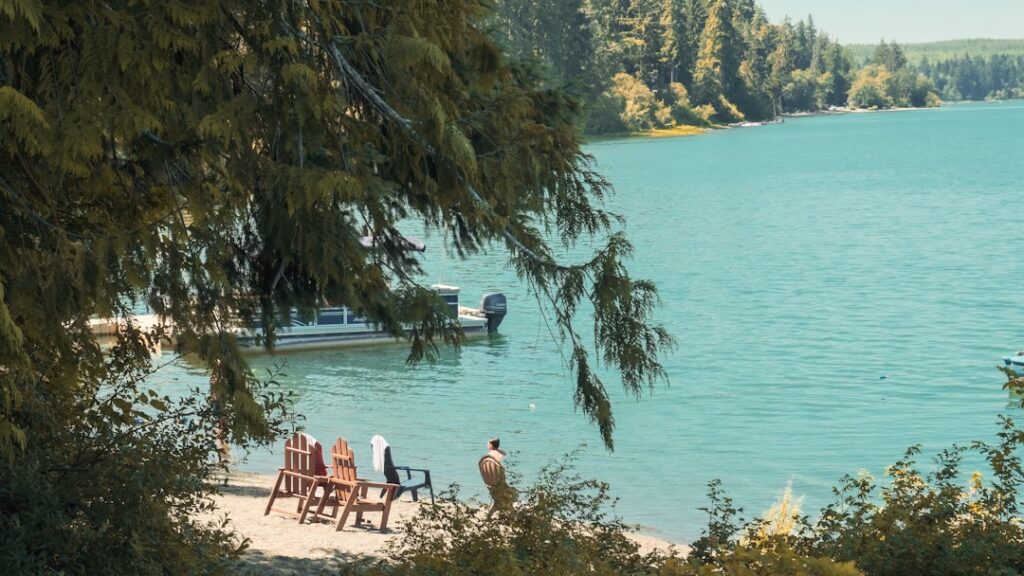






Introduction — Photography and a Getaway from Verona to Lake Garda
Leaving Verona for a day trip or a weekend of photography at Lake Garda means pairing the city’s Venetian charm with some of northern Italy’s most photogenic lakeside and mountain scenery. Verona sits just 20–40 minutes by train or car from the southern shore of the lake, making it an ideal base: a wide range of hotels, frequent rail links and the flexibility to tailor itineraries based on daylight and weather. Whether you shoot with a smartphone or a full‑frame kit with filters, Lake Garda offers endless subjects: medieval castles, colorful alleyways, vivid blue reflections, olive groves, glittering peaks and dramatic sunsets.
A few practical prep steps make all the difference. Check train times from Verona Porta Nuova (frequent services to Peschiera del Garda and Desenzano del Garda), or rent a car if you want maximum freedom to reach viewpoints that are off the public‑transport grid. Bring a light tripod for long exposures at sunset, an ND/portrait filter to smooth water, and a wide‑angle lens (16–35mm or equivalent) to capture sweeping panoramas. A 70–200mm telephoto is handy to isolate castle details or boats offshore. Don’t forget spare batteries and multiple memory cards—Lake Garda’s landscapes will tempt you to shoot a lot.
This guide focuses on the best photo spots around Lake Garda that are easily reachable from Verona, with precise addresses, typical prices, opening hours and local tips to help you plan outings by light (calm eastern mornings, spectacular western sunsets). You’ll find clear pointers for Sirmione, Peschiera, Desenzano, Lazise, Bardolino, Malcesine and Riva del Garda, plus suggested routes for a single day or a longer stay. Each place is described in an immersive way to help you picture compositions, best shooting times and the small details that will lift your images.
Always respect local heritage and residents: avoid entering private areas without permission, stick to marked trails and take your rubbish with you. Opening hours and prices can change with the season—check before you go, especially around public holidays or in low season. Get ready to be inspired—Lake Garda seen from Verona is a mosaic of photographic scenes ready to be captured at any hour.
 Click here to book a day trip to Lake Garda
1) Sirmione: Rocca Scaligera, Grottoes of Catullus and the Lakeside Promenade
Sirmione is often the first stop for photographers coming from Verona. Its medieval charm, sitting on a narrow tongue of land jutting into the lake, makes it a must‑see. Start at the Rocca Scaligera di Sirmione (Piazza Castello, 25019 Sirmione BS). This 13th‑century fortified castle with its drawbridge offers towers, battlements and sweeping lake views. Address: Rocca Scaligera, Piazza Castello, 25019 Sirmione (BS). Typical opening times: 9:00–19:00 in high season (April–September), 9:00–17:00 in low season; closed on some winter days. Fee: around €6–€8 entrance (reduced rates for children and seniors). For photography, head up on the ramparts early in the morning to avoid crowds, or late afternoon to catch raking light across the warm stone.
Click here to book a Sirmione tour with a boat cruise

A short walk away, the Parco Archeologico delle Grotte di Catullo (Via Marconi 2, 25019 Sirmione) is a large Roman site at the tip of Sirmione. Address: Parco Archeologico Grotte di Catullo, Via Marconi 2, 25019 Sirmione (BS). Hours: generally 8:30–19:30 in high season, variable off‑season. Fee: roughly €6–€10 depending on temporary exhibits. The ruins, lawns and lake views create architecturally contrasting frames—use a wide angle and a dramatic sky here. Olive‑lined paths provide strong foregrounds to add depth to your shots.

Don’t miss the lakeside promenade and Sirmione beach: the perspective from the central walkway catches reflections of pastel houses and moored boats. Best time: sunrise for calm water and morning mist, or sunset for warm tones on the roofs. Practical tips: paid parking surrounds the historic center (beware ZTL restricted traffic zones and one‑way rules), public toilets and cafés for Italian coffee breaks. Cafés and gelaterias near the harbor often close between 22:00 and 23:00; in low season some places shut earlier.
2) Peschiera del Garda and Desenzano del Garda: Harbors, Colorful Houses and Bridges
Peschiera del Garda, at the lake’s southeast tip, is a convenient arrival point from Verona if you’re taking the train. Station: Stazione di Peschiera del Garda, Piazza Dall’Oca Bianca, 37019 Peschiera del Garda (VR). Trains from Verona Porta Nuova take around 20 minutes; fare: often between €2.60 and €5 depending on the service. The historic center, a UNESCO‑listed fortified town, offers canals, ramparts and a lively harbor. For photos, sunset views from the ramparts or the bridge over the canals create strong graphic compositions with reflections and leading lines.
Desenzano del Garda, a bit further west, is also reachable by train from Verona (Station: Stazione di Desenzano del Garda, Piazza Giacomo Matteotti, 25015 Desenzano del Garda). The lakeside promenade and marina are great for capturing maritime life, palm trees and colorful facades. Another photo spot: the Villa Romana di Desenzano (Via Tito Livio, 25015 Desenzano del Garda)—ancient remains with mosaics; hours and prices vary (usually entry around €3–€6). The Castello di Desenzano, up on a hill above town, offers panoramic lake views: approximate address Castello di Desenzano, Viale Francesco Crispi/Colle San Martino, 25015 Desenzano del Garda. Opening and access can be limited—check ahead.
Practical tips: parking around train stations and the lakeside is paid (hourly tickets between €1–€2/hour in central areas). Pack a compact folding umbrella in summer—local showers can be sudden and make for dramatic skies. For motion in your images, use slower shutter speeds to smooth the water and capture boat traffic; early morning fishing activity and local work give authentic, unstaged scenes.
Click here to Book entry to Gardaland SEA LIFE Aquarium
3) Lazise, Bardolino and the Punta Cornicello Peninsula — Villages, Vineyards and Olive Groves
Lazise and Bardolino are classics for village scenes and vineyard atmospheres. The Castello Scaligero di Lazise (Piazza Vittorio Emanuele II, 37017 Lazise VR) is a lakeside fortress that’s freely accessible from the promenade. The promenade is open 24/7, though the castle’s interior areas may be seasonal. Bardolino, famous for its namesake wine, offers winding streets, developed beaches and olive groves on the slopes. Address for the lakeside: Lungolago Zanardelli, 37011 Bardolino (VR). Summer wine festivals provide lively photo opportunities but can be crowded.

Punta Cornicello (near Garda) is a small headland that delivers spectacular lake views, especially at sunrise. Access: Via Gardesana Orientale, 37016 Garda (VR). It’s a great spot to isolate tree silhouettes against water and mountains. The coastal paths between Bardolino and Garda are perfect for diagonal compositions that combine foliage, rocks and sparkling water.

For vineyard shots, climb the hills behind Bardolino: terraces of olive trees and vines line the secondary roads. Useful address: Cantina Zeni, Via Capitello 30, 37011 Bardolino (VR)—some wineries accept visits by reservation (tastings typically €8–€20 depending on the package). Best hours for vineyard photography are the golden hours of morning and late afternoon—side light brings out the rows and leaf textures. Practical tip: ask before shooting on private land, respect signs and don’t walk through vine rows without permission.
Click here to book an e‑bike tour in Bardolino
4) Malcesine, Monte Baldo Cable Car and the Castello Scaligero — Alpine Panoramas and Medieval Details
Malcesine is one of the most picturesque villages on the eastern shore. The Castello Scaligero di Malcesine (Piazza Carducci, 1, 37018 Malcesine VR) sits above the lake with towers and a terrace perfect for architectural and panoramic photos. Typical hours: often 9:00–19:00 in summer; fee: around €5–€7. Nearby, the Funivia Malcesine – Monte Baldo (Viale Pozza 1, 37018 Malcesine) takes you up by cable car to Monte Baldo. Address: Funivia Malcesine, Viale Pozza 1, 37018 Malcesine (VR). Seasonal times and fares: in season the cable car runs about 8:30–17:30 (extended in high season), round‑trip roughly €20–€30 depending on the period.
Monte Baldo gives spectacular alpine panoramas and viewpoints over the whole lake. In summer the meadows are dotted with wildflowers; in autumn foliage brings warm tones. For landscape shots use a wide angle to capture the sweep and a polarizer to deepen the blue sky and cut water glare. If you shoot in winter, check opening conditions and trail status: snow can close paths but also creates striking graphic images.
Practical tips: park in Malcesine (paid parking near the harbor and cable car). Book the cable car in high season to avoid queues. Dress in layers—altitude changes the weather fast. Bring water and a small first‑aid kit for hikes from the summit.
Click here to book a Monte Baldo tour with tasting
5) Riva del Garda and the North Shore: Cliffs, Mountain Harbors and Coastal Trails
Riva del Garda, at the lake’s northern tip, contrasts sharply with the gentler southern shore. The central hub is Piazza III Novembre, 38066 Riva del Garda (TN)—the square and marina are framed by steep mountains that fall straight into the water. The Varone Waterfall is nearby: Cascata del Varone, Via Monte Oro 2, 38069 Varone (TN)—hours often 9:00–18:00, entrance around €5. Riva is ideal for compositions that blend alpine architecture, sport boats and sheer cliffs.
Click here to book a full‑day tour of the lake’s northern shore

The panoramic trail along the shore and the Massone promenade (near the Parco Grotta Cascata del Varone area) offer plunging views. For dynamic images, capture sails and windsurfers on the water, especially late afternoon when thermal winds pick up and water activity intensifies. The MAG Museum (Museo Alto Garda) in Riva, Corso Bettini 84, 38066 Riva del Garda, sometimes hosts local exhibits; times and fees vary (entrance often around €3–€7).

Practical tips: central Riva parking is paid, but free spots exist on the outskirts. Bring a windbreaker even in summer—the Ponale, the famous route between Riva and Tenno, can be breezy. The Ponale trail (strada del Ponale) is a must for photographers: an old road carved into the cliff with spectacular views—free access; best times are morning or late afternoon for side light and fewer cyclists.
Final practical tips for photographing Lake Garda from Verona
- Transport: regular trains from Verona Porta Nuova to Peschiera del Garda and Desenzano (20–30 min, tickets often €2–€6 depending on the trip). Renting a car gives more autonomy (moderate tolls, paid parking in town centers), but watch for ZTL restricted zones.
- Timing: sunrise for calm atmosphere and mist, sunset for warm colors; midday light is harsh—favor backlit compositions or strong shadows for graphic images.
- Gear: tripod, ND/polarizing filters, wide angle and telephoto, spare battery. A small drone can deliver unique perspectives, but follow local rules (no‑fly zones near tourist sites and parks).
- Budget: plan roughly €20–€40 per day for local transport, about €5–€10 per tourist site on average; restaurant prices around the lake vary—tourist menus €12–€30.
Conclusion — Building Your Photo Series Between Verona and Lake Garda
Photographing Lake Garda from Verona is about playing contrasts: Verona’s urban elegance versus the lake’s varied landscapes—medieval villages, bustling harbors and alpine peaks. Each spot featured—Sirmione, Peschiera, Desenzano, Lazise, Bardolino, Malcesine, Monte Baldo and Riva del Garda—brings its own photographic personality: warm castle stone, ancient mosaics, neat vineyard rows, alpine meadows and plunging cliffs. Planning your moves from Verona lets you make the most of light and stack up creative opportunities.
To create a cohesive series, pick a theme (water reflections, doors and colorful facades, sunset silhouettes, architectural details) and repeat it across locations: for instance, photograph doors and passages in Sirmione, Desenzano and Lazise for a textures portfolio; or gather coastline and summit panoramas from Malcesine, Monte Baldo and Riva for a landscape collection. Keep ethical considerations in mind: respect private property, signs and people. In low season you’ll enjoy lower prices and calm conditions suited to long exposures; in high season aim for golden hour to avoid crowds.
Finally, patience and observation are key. Wait for the right light, look for small details, and talk to locals—fishermen, café owners and winemakers often have tips and stories that will enrich your shots. Verona makes a comfortable, accessible base; Lake Garda’s shores and heights offer endless inspiration. Save these addresses and tips in your travel notebook and return with images that not only show places, but also the unique atmosphere of this stretch of Italy between land and mountain.