


Introduction
Verona, a romantic city steeped in history in the heart of the Veneto, is often linked to Romeo and Juliet, its Roman arena and its medieval alleyways. Beyond these clichés, Verona hides a surprisingly rich museum scene that helps you read its long history, artistic strategies and cultural positioning between Rome and northern Italy. The city’s museums tell stories of centuries of occupation, trade, aristocratic patronage and artistic ferment – from Roman lapidary collections to modern brushes, from archaeological finds to refined private cabinets. For the curious traveler, exploring these institutions reveals layers: displayed monuments, restored frescoes, private collections opened to the public, and contemporary museography that makes the past accessible.
Contenu de l'article
This article presents the 10 must-see museums in Verona, chosen for their historical value, the quality of their collections, their local significance and the experience they offer visitors. Each entry includes the exact address, typical opening hours, admission prices in euros, an immersive description of what you’ll see, and practical local tips to get the most from your visit (best times, combined tickets, facilities and crowd-avoidance strategies). The goal is to help you not just tick names off a list but to plan rich, photogenic and relaxed visits.
Whether you’re into archaeology, modern art, natural history, or simply after romantic and authentic atmospheres, Verona’s museum palette has something for you. Some institutions are housed in medieval palaces or restored fortresses, others occupy revamped ancient spaces: the museum architecture itself participates in the story. Verona also offers combined tickets and cultural passes that can save you time and money, especially in high season. For each museum below, I’ll note online booking options, guided tours available and useful services (left-luggage, restrooms, audio guides, wheelchair access).
Before you go, know that Verona is best explored on foot or by local tram to reach museums just outside the historic center. Bring comfortable shoes, a light jacket for cool gallery rooms (some climate-controlled spaces keep low temperatures), and whenever possible book tickets in advance for busy sites like the Arena or Juliet’s House. Here is a detailed rundown of Verona’s 10 must-see museums, numbered to help plan your route.
1. Museo di Castelvecchio (Museo Civico di Castelvecchio)
Address: Corso Castelvecchio, 2, 37121 Verona VR, Italy.
Opening hours: generally open Tuesday to Sunday from 8:30 to 19:30 (closed Mondays). Check seasonal hours and summer late-night openings (extended hours during city events).
Price: standard admission around €8.00; reduced €5.00 (young, seniors), free on certain Sundays or with the regional museum pass. Combined ticket Castelvecchio + Museo degli Affreschi available at a slightly higher rate.
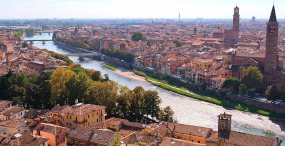
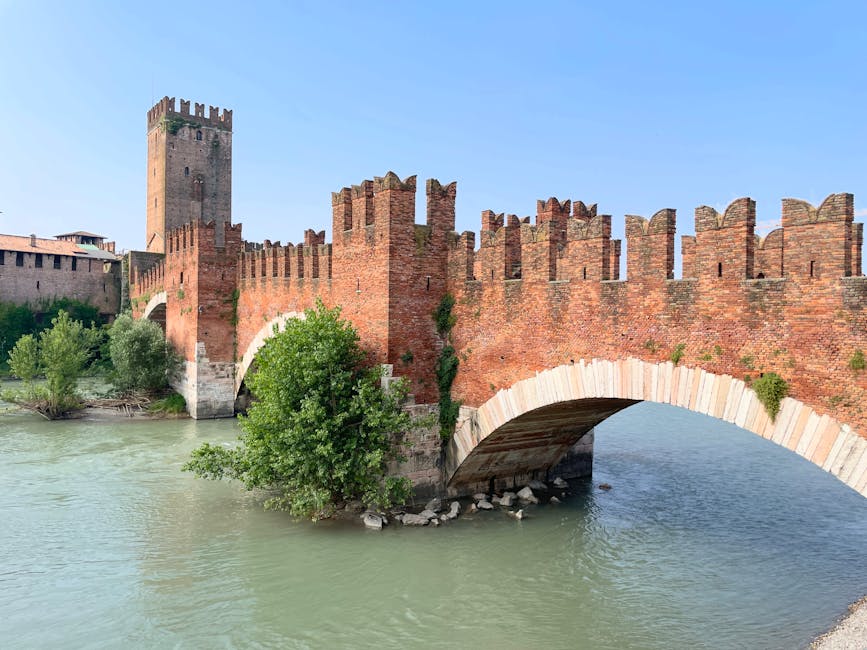
Description: The Museo di Castelvecchio sits inside the imposing medieval fortress that overlooks the Adige river. Restored in the 20th century by Carlo Scarpa, the palace-museum is itself a work of museographic architecture: stairways, integrated display cases and a route that marries ancient stone with modern interventions. The collections include sculptures, paintings, weapons, maiolica and medieval and Renaissance objects rescued from Verona’s churches and palaces. Notable works include canvases by Pisanello, pieces by Giovanni Francesco Caroto and a rich selection of sacred goldsmithing.
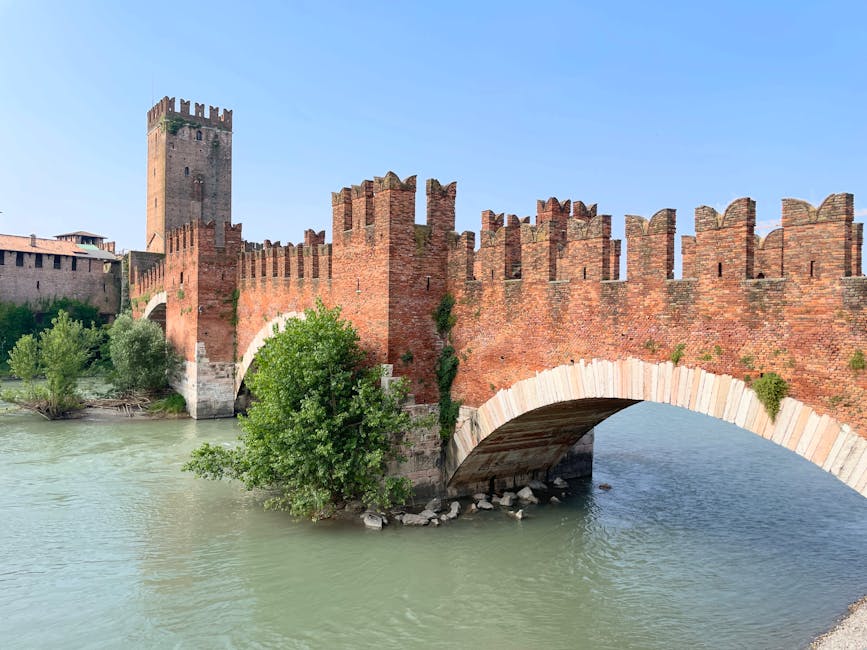
The experience is immersive: you walk through vaulted rooms, cross battlements and enjoy picture-perfect views of the Adige through the crenellations. Labels are often bilingual (Italian/English) and audio guides help explain the history of the major pieces. For arms and armor enthusiasts, the collection presents well-preserved helmets and swords, with displays that re-create both ceremonial and military contexts.
Practical tips: arrive early to avoid tour groups and enjoy quiet galleries for photography. If you have a combined municipal museums ticket, buy it online to save time. The museum shop offers quality catalogues and reproductions. Accessibility for visitors with reduced mobility is partially provided: check about elevators and alternative routes. Take advantage of the outdoor terraces for a photo break on the adjacent Ponte Scaligero.
2. Arena di Verona and Museo dell’Arena
Address: Piazza Bra, 1, 37121 Verona VR, Italy.
Opening hours: museum and seating visits generally from 9:00 to 19:00 (extended hours in summer depending on performances). Opera-related services have variable schedules; consult the events calendar for evening visits.
Price: monument and museum visit around €10.00 for standard entry; reduced €7.50; tickets for performances (opera) vary by seat, from €20 up to €250 and more for premium boxes.
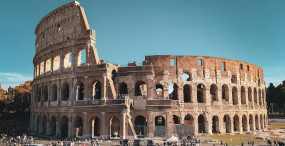
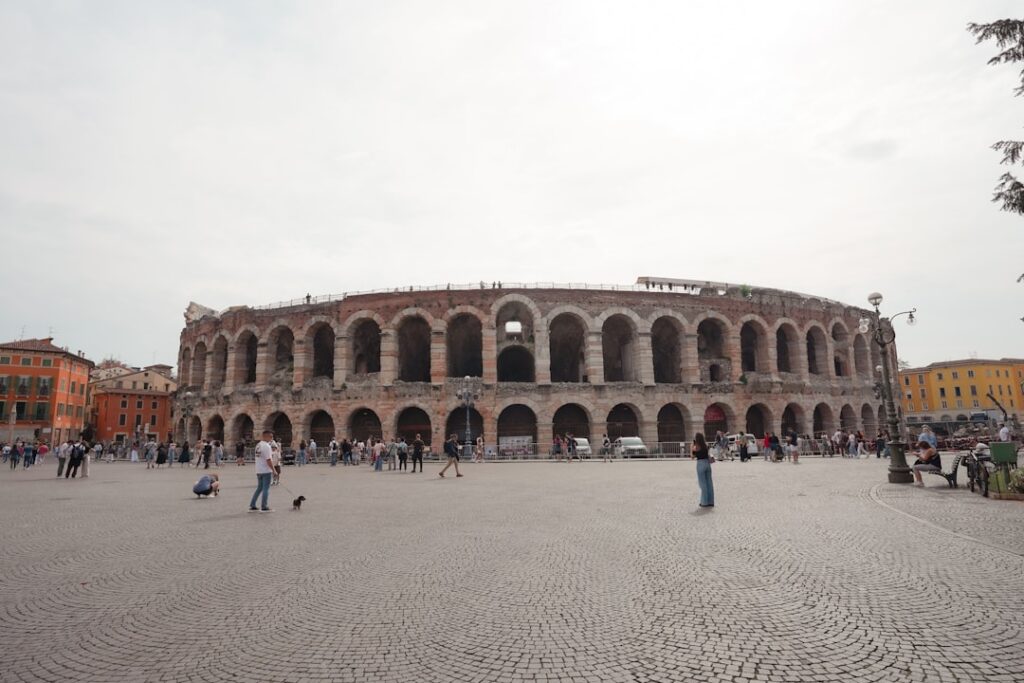
Description: The Arena di Verona is the best-preserved Roman amphitheatre in the world, dating to the 1st century AD. The Museo dell’Arena, located within the grounds and surrounding areas, presents an exhibition on the arena’s architecture, the history of ancient games and spectacles, and archaeological remains uncovered during excavations. Climbing the tiers lets you feel the scale and acoustics of the structure; in summer, the arena comes alive with spectacular operatic productions attracting an international audience.
 Click here to book skip-the-line access to the Arena
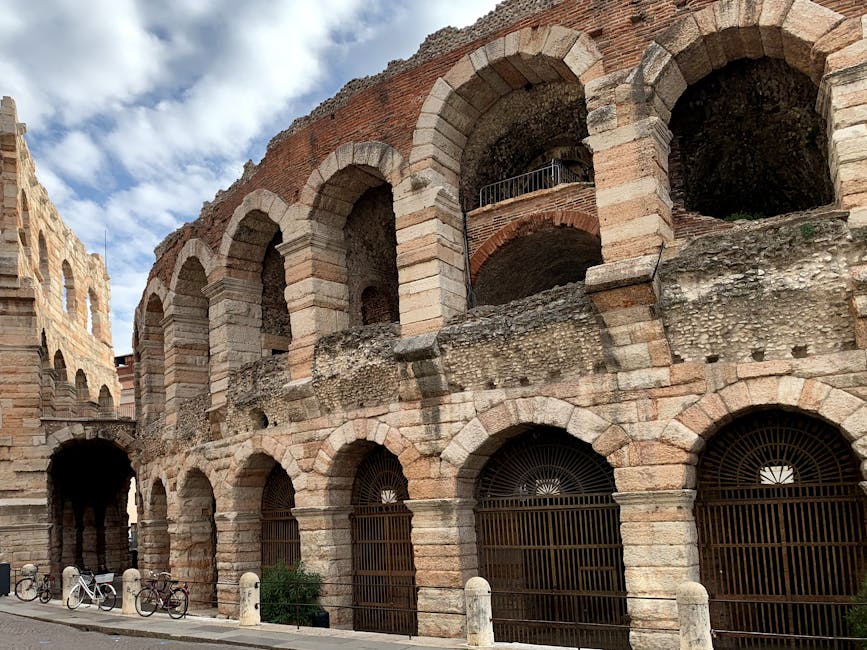
The atmosphere is unique: standing on ancient stone, you can picture the ancient crowd and imagine the resonant music during a modern opera. The museum, with panels, models and restored objects, provides the keys to understanding Roman construction techniques and the restorations carried out over time. Temporary exhibitions regularly complement the permanent collection, often related to the operatic scene or conservation projects.
Practical tips: if you plan to attend a performance, book online as seats sell out fast in season. For the museum visit, favor quiet morning hours. If you intend to climb the tiers, wear shoes with good grip: the stone can be smooth. The ticket office often offers an audio tour in several languages; check for student and senior discounts. Afterwards, enjoy a stroll around Piazza Bra to admire the façades and walk into the historic center on foot.
3. Museo Archeologico al Teatro Romano
Address: Lungadige Porta Vittoria, 1 (access to the Roman Theatre), 37121 Verona VR, Italy.
Opening hours: generally open Tuesday to Sunday from 9:00 to 17:30; longer hours in summer. Closed on certain public holidays; check before visiting.
Price: standard admission around €6.00; reduced €3.00; combinations possible with other city archaeological sites.
Description: Located near the Roman Theatre, this archaeological museum displays the remains of ancient Verona unearthed in urban and funerary excavations. Here you’ll find steles, pottery, mosaics, everyday objects and sculptures that trace the city’s Roman and protohistoric periods. The museographic route links the theatre to the Capitoline hill, offering spatial context: understand where shows were held and how the city and its neighborhoods were organized.
Stone and pottery become tangible witnesses: inscriptions reveal names and occupations, while mosaics highlight the affluent housing of the imperial era. The building combines climate-controlled exhibition spaces and visible excavation zones, sometimes presented via walkways and display cases. Information panels are educational and family-friendly, with activities for children at certain times.
Practical tips: pair the visit with the viewpoint from the Roman Theatre hill: the view over the Adige valley is stunning at sunset. Bring a hat and water in summer if you plan to explore the outdoor ruins. Local archaeologists sometimes offer themed guided tours; ask at the museum entrance. For photographers, morning light gently highlights reliefs and mosaics.
4. Museo Lapidario Maffeiano
Address: Piazza Bra, 28, 37121 Verona VR, Italy (located near the Arena, façade onto Piazza Bra).
Opening hours: generally open Tuesday to Sunday from 9:00 to 18:00; closed Mondays. Hours may vary during festivals and public holidays.
Price: standard admission around €5.00; reduced €3.50; often included in the city’s museum pass.
Description: Founded in the 18th century, the Museo Lapidario Maffeiano is one of Europe’s oldest lapidary museums. Its collection includes inscriptions, steles, columns and sculpted fragments from the Greco-Roman and Egyptian antiquities gathered by Count Maffei. The interior, with high vaults and dimmed lighting, lends a solemn intensity to the ancient stones: funerary inscriptions, public dedications and mythological reliefs that shed light on the social and religious life of ancient societies.
The route focuses on epigraphic reading: translations and analyses help visitors understand dates, roles and the status of the individuals mentioned. Some rare pieces testify to long-distance exchanges (flint, exotic marbles) and enrich the picture of a Verona connected to the wider Roman world. The building itself, on Piazza Bra, is a perfect stop after visiting the Arena and before a coffee on the square.
Practical tips: take time to read the labels and use the audio guide when available, because much of the information is concentrated in technical inscriptions. Visitors interested in epigraphy can request additional notes at the ticket desk. In high season, visit late afternoon to avoid school groups. The proximity to Piazza Bra makes it easy to reach transport and restaurants after the visit.
5. Casa di Giulietta (Juliet’s House)
Address: Via Cappello, 23, 37121 Verona VR, Italy.
Opening hours: generally open daily from 8:30 to 19:30; extended hours in high season (June-August).
Price: admission around €6.50 for access to the courtyard, balcony and small interior museum; reduced rates for children and seniors. Some areas (the balcony) may require waiting in line even with a ticket.
Description: Casa di Giulietta has become a near-mythic site thanks to the Shakespearean legend. The medieval building features a courtyard garden with a statue of Juliet, a famous balcony (probably added in the 19th century) and a small museum that recreates the family home’s atmosphere, with period furniture and exhibits on Romeo and Juliet’s iconography through the centuries. Despite tourist crowds, the visit retains a certain picturesque charm: sun-warmed stone, visitor graffiti and ribbons tied to the grille are part of the popular cultural experience.
Click here to book your skip-the-line ticket for Juliet’s House
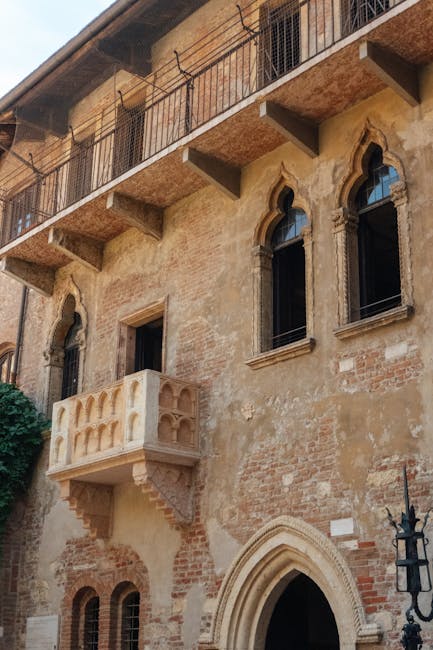
For literature and romance lovers, the museum displays rare documents, old editions of the play and opera posters inspired by the story. You can also leave a letter on the wall or attach a padlock (subject to local rules), contemporary rituals that speak to the site’s symbolic power.
Practical tips: arrive early morning or late afternoon to avoid the densest crowds. The balcony area accepts a limited number of people at a time, and access may be timed. Respect signage and do not stick objects to historic walls. For a quieter experience, pair the visit with a walk through the Veronetta neighborhood across the Adige, which is less touristy and full of charm.
6. Museo Miniscalchi-Erizzo
Address: Via San Mamaso, 9, 37121 Verona VR, Italy (Palazzo Miniscalchi-Erizzo, near Ponte Pietra).
Opening hours: usually open Tuesday to Sunday from 10:00 to 18:00; closed Mondays. Check public holiday schedules.
Price: admission around €6.00; reduced €4.00. Guided tours available on request.
Description: The Museo Miniscalchi-Erizzo is a house-museum jewel preserving the Miniscalchi-Erizzo family’s private collection. Housed in a Gothic palace, it offers an intimate and rich route of objects: furniture, costumes, weapons, paintings, porcelain and cabinets of curiosities collected over centuries. The atmosphere feels like a lived-in home, where rooms retain their decor and objects tell the story of daily life among Venetian and Veronese elites.
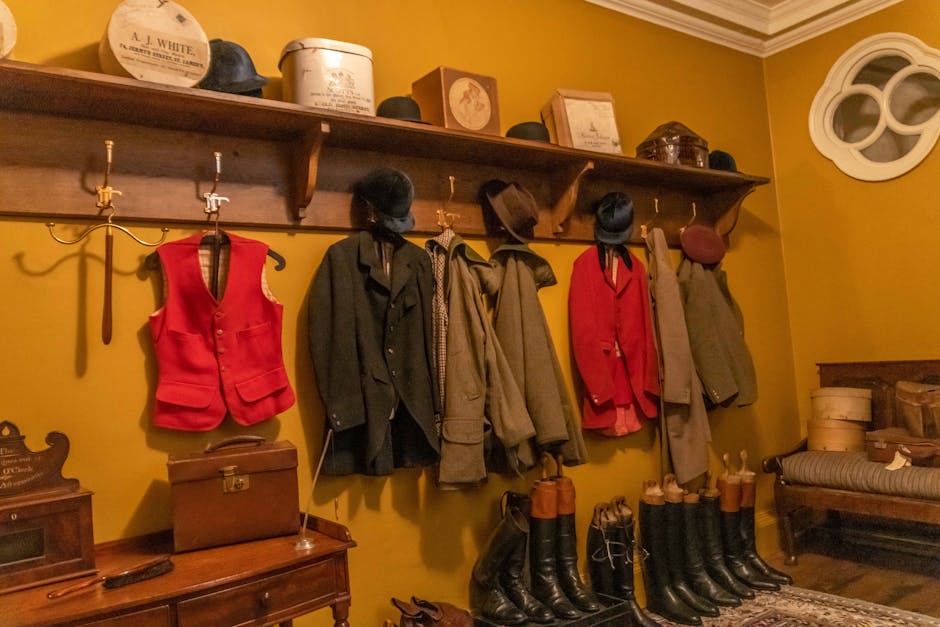
The visit is a leap back in time: family portraits, tapestries and frescoed rooms create an immersion different from more institutional museums. It’s perfect for those interested in historic domestic spaces and how private collections shaped local memory.
Practical tips: the visit can be short but dense; take time to notice details (locks, marquetry, textiles). The ticket desk will inform you about temporary thematic exhibitions; also ask about occasional concerts or readings held in the palace. Wheelchair access may be limited by the old architecture: call ahead if you have specific needs.
7. Galleria d’Arte Moderna Achille Forti
Address: Piazza Santa Anastasia / Via XX Settembre (main entrance often signposted from Piazza Bra), 37121 Verona VR, Italy.
Opening hours: generally open Tuesday to Sunday from 10:00 to 18:00; closed Mondays. Hours may be extended during temporary exhibitions.
Price: admission around €7.00; reduced €4.50. Combined tickets sometimes available with other municipal museums.
Description: Housed in a Renaissance palace near the historic core, the Galleria d’Arte Moderna Achille Forti presents modern and contemporary art with a focus on Venetian and Italian artists of the 19th and 20th centuries. The hang mixes paintings, drawings, sculptures and installations, offering an overview of movements from realism to futurism and on to post-WWII experimentation.
The contrast between the building’s mural decorations and the modern works creates a stimulating visual dialogue. Temporary shows are carefully curated and often come with catalogues and educational programming. It’s an essential stop to understand Verona’s artistic continuity and its place within broader Italian art.
Practical tips: check the temporary exhibition calendar to see if a special show or guest curator is on during your visit. The gallery is close to other points of interest and pairs well with a coffee break in one of the nearby squares. Allow 1½ to 2 hours for a relaxed visit.
8. Museo di Storia Naturale di Verona (Natural History Museum)
Address: Lungadige Porta Vittoria, 9, 37121 Verona VR, Italy (university complex / Roman Theatre area).
Opening hours: generally open Tuesday to Sunday from 9:00 to 17:00; hours vary by season and exhibition. Closed Mondays.
Price: standard admission around €4.50; reduced rates for families and school groups.
Description: This natural history museum offers varied naturalist collections: mineralogy, paleontology (local fossils), zoology and didactic displays on the biodiversity of the Veneto region. Cabinets present taxidermy specimens, skeletons and educational panels on the ecosystems of the Adige valley and surrounding Prealps. The museum is especially popular with families thanks to interactive activities and educational workshops.
The paleontology section highlights regional discoveries linking local geology to human history: marine fossils, trilobites and ancient imprints illustrate landscape evolution. Educational labs offer demonstrations and hands-on sessions for children and teens.
Practical tips: ideal for a family outing or a rainy day. Check the workshop schedule and book if needed, as sessions often fill up. Plan at least 1½ hours to see everything, more if you join an activity. The museum often collaborates with universities and offers lectures accessible to adult visitors.
9. Museo degli Affreschi « G.B. Cavalcaselle » (Castelvecchio)
Address: integrated into the Castelvecchio complex, Corso Castelvecchio, 2, 37121 Verona VR, Italy (access via Museo di Castelvecchio spaces).
Opening hours: same hours as Museo di Castelvecchio (usually Tuesday to Sunday from 8:30 to 19:30).
Price: often included with the Museo di Castelvecchio ticket; check conditions if purchasing separately.
Description: This specialist museum, named for Giuseppe Bruno Cavalcaselle, groups a selection of frescoes and wall fragments removed or restored from various city buildings. Seeing these frescoes gathered under one roof allows you to appreciate medieval painting techniques, period palettes and religious and civic narratives. The exhibition is carefully arranged to protect works sensitive to light and humidity fluctuations.
The museum explains restoration methods and conservation challenges, offering a technical perspective rarely presented to the general public. Labels detail pigments, binders and successive interventions—useful for anyone curious about art history and preventive conservation.
Practical tips: since it’s part of Castelvecchio, use the combined ticket to schedule your visit in two parts (morning for exterior areas, afternoon for the fresco rooms). Ask about restoration-focused tours, sometimes led by conservators during open workshops.
10. Museo Africano/Sezione di Etnografia (Museo Africano Giovanni Beltrami)
Address: Via Santa Teresa, 12, 37121 Verona VR, Italy (small ethnography and non-European arts institution).
Opening hours: usually open Wednesday to Sunday from 10:00 to 17:00; hours vary and group reservations may be required.
Price: admission around €4.00; reduced €2.50; free admission for some cultural events.
Description: Sometimes referred to as the African Museum or ethnographic section, this museum displays art and objects from Africa and other continents, collected through travel and anthropological missions linked to the University of Verona. The showcases present masks, textiles, tools and ritual objects with contextual notes that place each piece within its cultural area. The approach aims to combine respect for source cultures with contemporary educational framing about cultural exchanges.
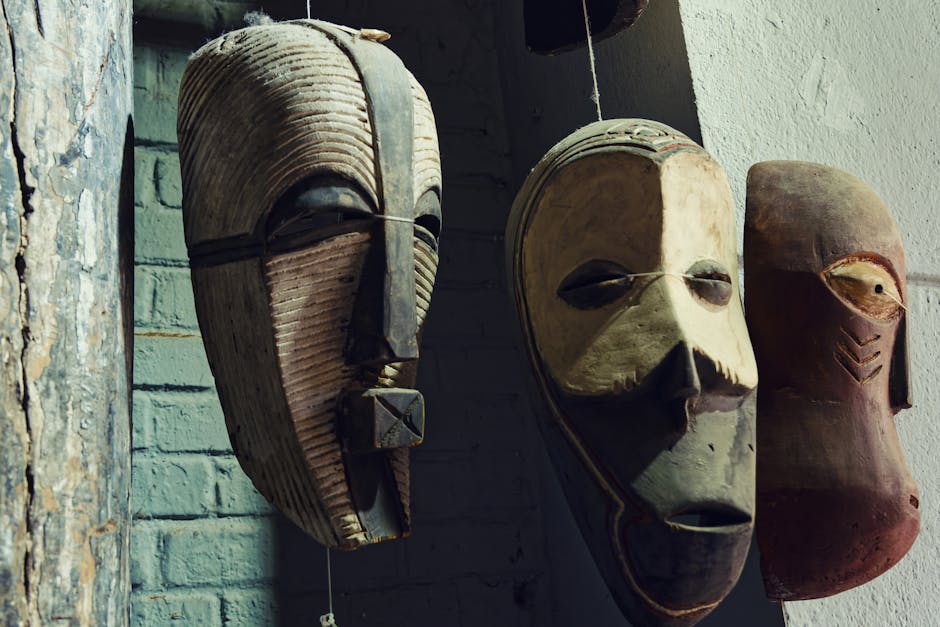
The visit offers a different perspective on the city: as a university center and a hub of exchange, Verona has maintained links beyond Europe, and the museum illustrates this global dimension. Temporary exhibitions often explore contemporary dialogues between local artists and extra-European traditions.
Practical tips: check opening days before you go as hours can be restricted. The museum sometimes hosts lectures and themed evenings related to local migrant communities—a great way to extend the visit into a living exchange. Anthropology students should ask about the availability of technical sheets and bibliographic references.
Conclusion
Through its museums, Verona reveals a cultural and historical density that goes far beyond its romantic image. From the ancient stones of the Arena and the Roman Theatre to the private salons of the Museo Miniscalchi-Erizzo, from lapidary collections to modern art galleries, each museum offers a different reading of the city. For visitors, museum itineraries can be tailored to interests: an archaeological route (Arena, Roman Theatre, Lapidario), an artistic focus (Castelvecchio, Achille Forti, Affreschi), or a more intimate immersion (Casa di Giulietta, Miniscalchi-Erizzo). Each site has its museographic particularities and practical tips: buy tickets online to avoid queues, take advantage of combined tickets, visit early or late to beat peak hours, and check accessibility or specialized guided tours.
Taking time to explore these places also helps you understand how Verona has been preserved and narrated over the centuries. Restorations, exhibition projects and university collaborations testify to a living cultural fabric that keeps rethinking heritage interpretation. Many museums today offer activities for all ages: children’s workshops, lecture series, concerts in historic settings and rotating temporary shows that constantly refresh the cultural offer.
Practical planning tips: allow at least two to three days to visit this selection at a relaxed pace, group visits geographically to limit travel and combine museums with walks (Ponte Scaligero, Piazza delle Erbe, the Adige riversides). Grab a map of the municipal museums, check for free admissions and discounts (youth, seniors, teachers) and verify opening hours during religious holidays or festivals. Above all, stay curious: the best visits often stop at a small showcase, read a label, or chat with a curator — these exchanges bring heritage to life and turn a visit into a lasting memory.
Enjoy your trip to Verona: among stones, paintings and stories, let yourself be surprised by the variety and depth of its museums.