


Introduction — Along the Adige: an immersive walk through Verona’s wildlife and plant life
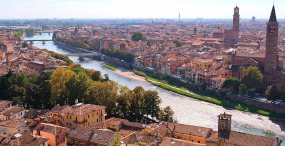
The Adige, Italy’s second-longest river, cuts through Verona and creates a lively natural corridor where the Roman and medieval city meets riverside woodlands, urban islets and private gardens. Walking the banks of the Adige in Verona isn’t just about admiring the warm facades of the Teatro Romano or the arches of Ponte Pietra: it’s stepping into an ecosystem where winged species find refuge, where riparian plants surprise at every season, and where the river’s breath shapes the city’s atmosphere. This article invites you to explore, in practical detail, the exact spots to visit, the species to look for, the best times to go, and useful tips to make the most of these green corridors in the heart of Verona.
Contenu de l'article
Through walking routes, observation points, historic gardens and a few boat trips, you’ll learn to recognise the tree species that frame the landscape (black poplars, willows, plane trees), spot the common birds (kingfishers, grey herons, tits), and understand the ecological value of pebble bars and urban wetlands for breeding and feeding small mammals and insects. The Adige both divides and connects: the right and left banks offer contrasting atmospheres, microclimates and uses — family promenades, cycle routes, community gardens and historic crossings like Ponte Pietra or Ponte Garibaldi.
We’ll list concrete sites (addresses and opening times) — from public gardens like Giardino Giusti to riverside museums like the Museo di Castelvecchio, including local markets and boat hire points — so you can plan your visit. You’ll also find advice on the best times of day and year for wildlife watching, recommendations for gear (binoculars, footwear and mosquito protection), and tips on respecting local fauna and flora. Image markers included will help you visualise the scenes described: sunrise over Ponte Pietra, a kingfisher skimming the Adige, a plane-tree avenue at Giardino Giusti, or the Teatro Romano viewed from the opposite bank.
Before we dive into the site-by-site details and observation tips, keep this in mind: the Adige is a living ecological corridor that responds to the seasons. Car horns and traffic don’t stop nature from reclaiming the quiet bends and niches where the water slows. Approach these walks with patience and curiosity, and you’ll be rewarded with surprising sights — hidden nests, scarce insects, and light playing on the river that makes even the most urban corners glow. Follow the guide: we’re setting off now on four detailed, practical and immersive stages along the Adige in Verona.
1) Ponte Pietra and the historic riverbanks: an unexpected urban habitat
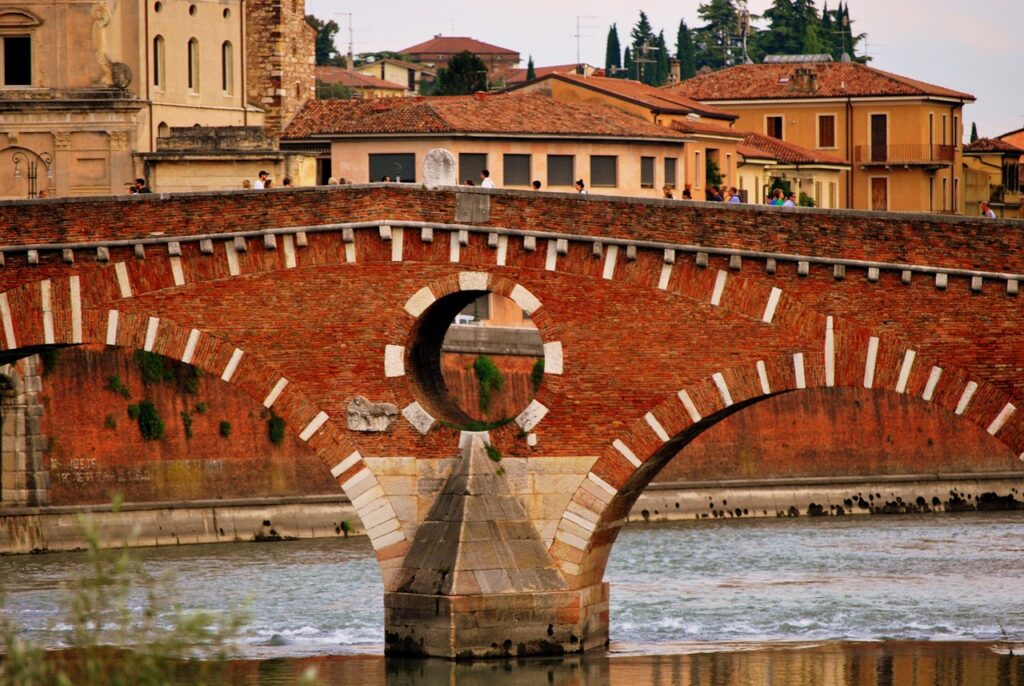
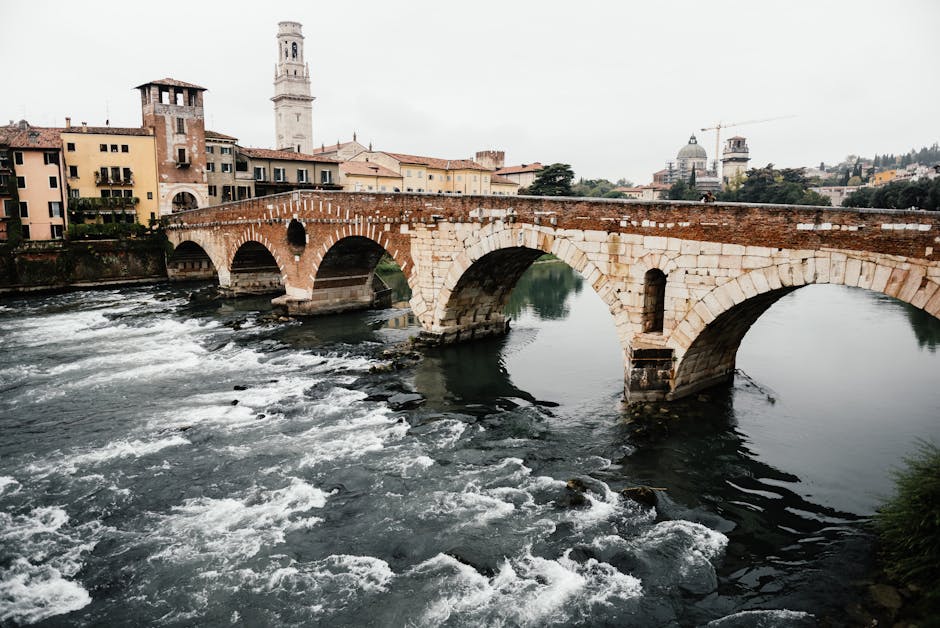
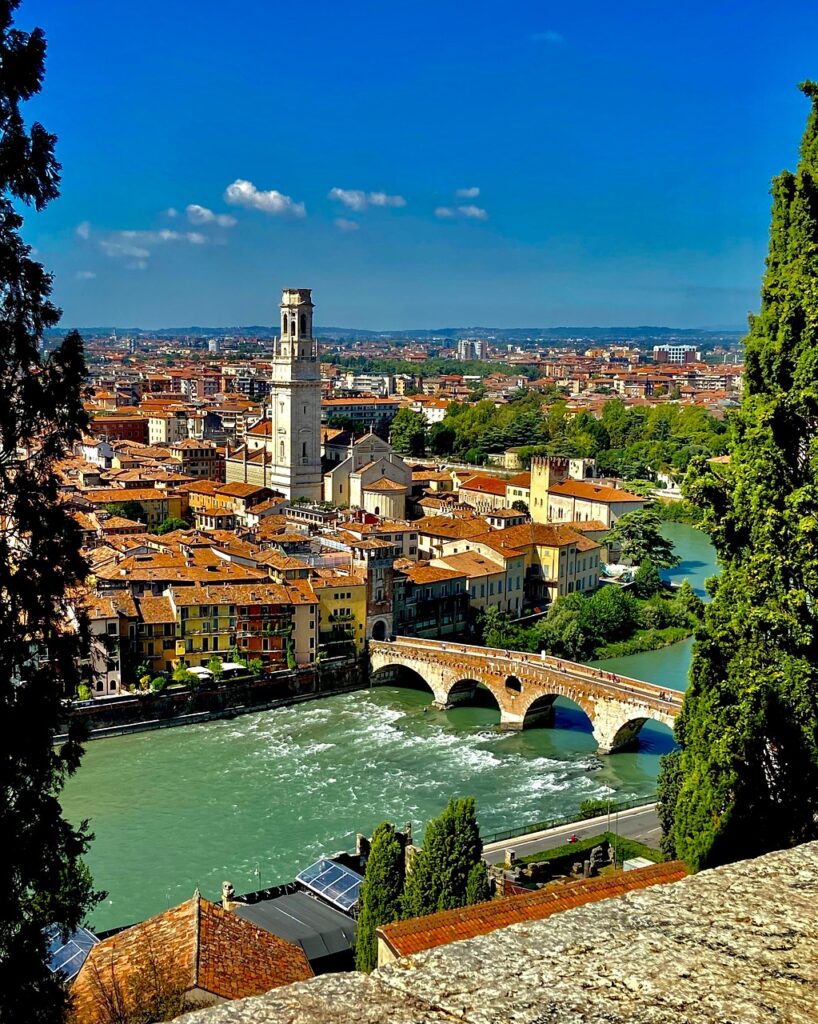
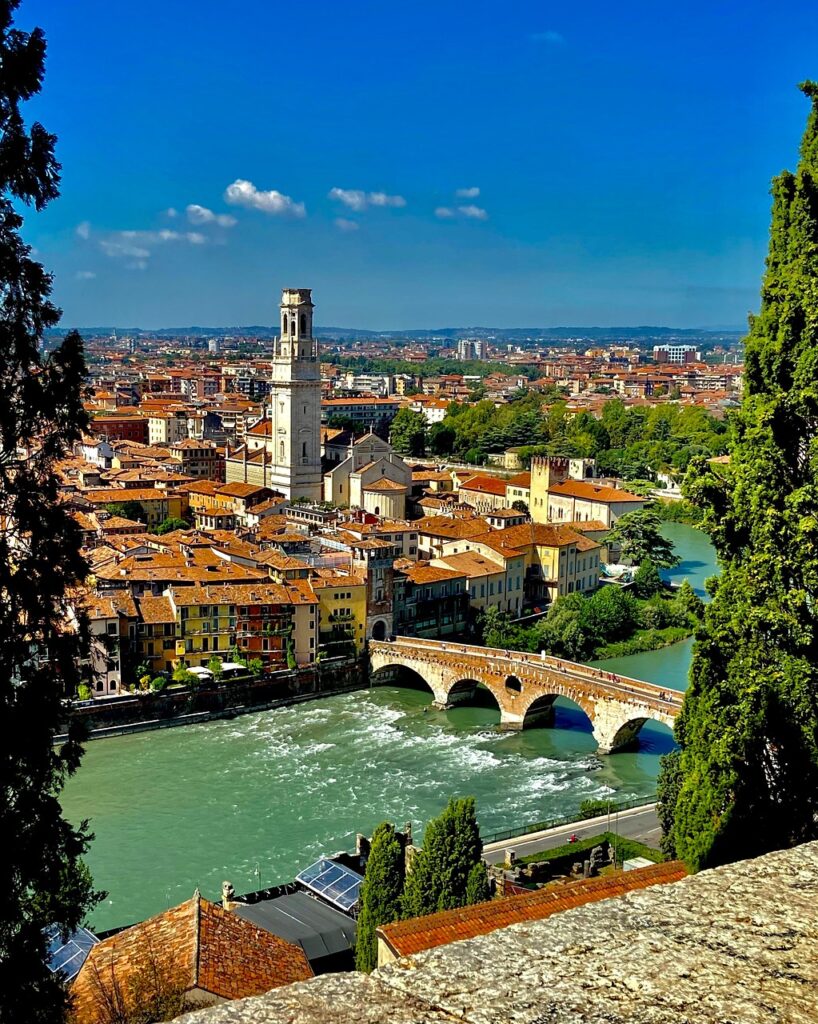
Ponte Pietra (Ponte di Pietra), located in Verona’s historic centre, is both a monument and a natural observatory. Address: Ponte di Pietra, Lungadige Tazio Nuvolari, 37121 Verona VR. This rebuilt Roman bridge offers ideal viewpoints over pebble bars and small inlets where riparian vegetation thrives. Access is free and open 24/7; however, daylight hours — especially early morning (6am–9am) and late afternoon (5pm–8pm) — are best for spotting water birds.
Why come here? The bridge’s arches create shaded, calm areas where aquatic insects and small fish gather — prime food for predators like the kingfisher (Alcedo atthis) or the grey heron (Ardea cinerea). The banks form a vegetal mosaic: reeds and cattails in wetter sections, black poplars (Populus nigra) and willows on higher banks, and pioneer plants on the gravel — wild brassicas and knotweeds. These features create a crucial micro-habitat for amphibian breeding (frogs and toads) in spring.
Practical tips: bring a pair of binoculars (8×42 is a good choice), keep noise to a minimum and don’t feed birds bread (harmful to their health and to the ecosystem). Wear sturdy shoes if you plan to go down onto the stony banks. For photographers, the golden morning light and long exposures at dusk produce very painterly images of the water.
2) Giardino Giusti and the botanical slopes: where culture meets nature
Giardino Giusti is a must-see historic and botanical garden for anyone wanting to understand the vegetation tied to the Adige in Verona. Address: Giardino Giusti, Via Giardino Giusti, 2, 37129 Verona VR. Hours (indicative): April–September 9:00–19:00, Oct.–March 9:00–17:00; closed on some public holidays — check the official site before visiting. Admission (indicative): around €6 for adults, with discounts for students and seniors. The garden combines sculpted terraces, box hedges and broad avenues of plane trees offering viewpoints over the city and the Adige valley.
Giardino Giusti’s value for urban ecology lies in its plant diversity: heritage trees, Mediterranean species and flower beds that attract a wide range of pollinators — wild bees, butterflies (for example the swallowtail) and beetles. Dry stone walls and terraces create niches for small reptiles (lizards) and cavity-nesting birds like the black redstart. In autumn, the paths turn warm hues that increase avian activity in the late hours of the day.
Practical tips: buy your ticket early to avoid crowds. Stick to the marked paths — the box hedges are fragile and may shelter non-aggressive hymenopterans. Giardino Giusti is perfect for botanical reconnaissance: download a plant ID app or bring a Mediterranean flora guide. Also pair the visit with a stop at the Museo di Castelvecchio (Corso Castelvecchio, 2) if you want to combine culture and nature — the museum is a 10–15 minute walk away and often features displays about the city-river relationship.
3) Isola della Pescheria and the markets: the interface between people and the aquatic environment
Isola della Pescheria (the fish islet) sits near Ponte della Pescheria, in the Ponte di Castelvecchio / Piazza delle Erbe area. Useful nearby address: Piazza delle Erbe, 37121 Verona VR (a handy landmark). While the pescheria (fish market) speaks to the river’s historical use, the adjacent channels and islets act as refuges for urban wildlife. Pedestrian areas are free to access; markets generally run early in the morning (6am–1pm), with a livelier atmosphere on Saturdays.
On and around this islet you’ll often see urban gulls, sparrows, and mallard pairs taking advantage of discarded food (another reason not to throw away edible waste). The banks are sometimes reinforced with rock armour, but temporary mudflats form after floods, offering feeding grounds for insect larvae and for shorebirds during migration. The market at its early hours is also a great way to feel the place: the salty scent of fresh fish, vendors’ voices, nets and neatly stacked crates — a scene where nature and city interact.
Practical tips: visit the market early for low-angle light photos, and be respectful of the stalls. Bring bags for your trash and mind leashed dogs — they can scare wildlife. Don’t try to create an “olfactory attractor” for wildlife: inappropriate feeding disrupts natural cycles. For a guided experience, enquire at the Tourist Office (Piazza Bra, 1, 37121 Verona) about nature-themed market tours.
 Click here to explore the old market and make fresh pasta
4) Riverside routes and boat trips: getting close to wildlife from the water
Exploring the Adige from the water is an intimate way to observe wildlife and plants: the perspective from a rowboat or small boat shortens visual and sound distances to water birds. Several local operators offer river cruises along the Adige; a common departure point is Lungadige San Giorgio, near Ponte Garibaldi and the Arena. Example operator address: Verona Boat Tours, Lungadige San Giorgio, 37121 Verona VR — many companies run seasonal departures. Indicative prices: 45 min–1 h rides between €15 and €30 per person; longer or private cruises cost more. Schedules: daily services in high season (April–October), often in the morning and late afternoon.
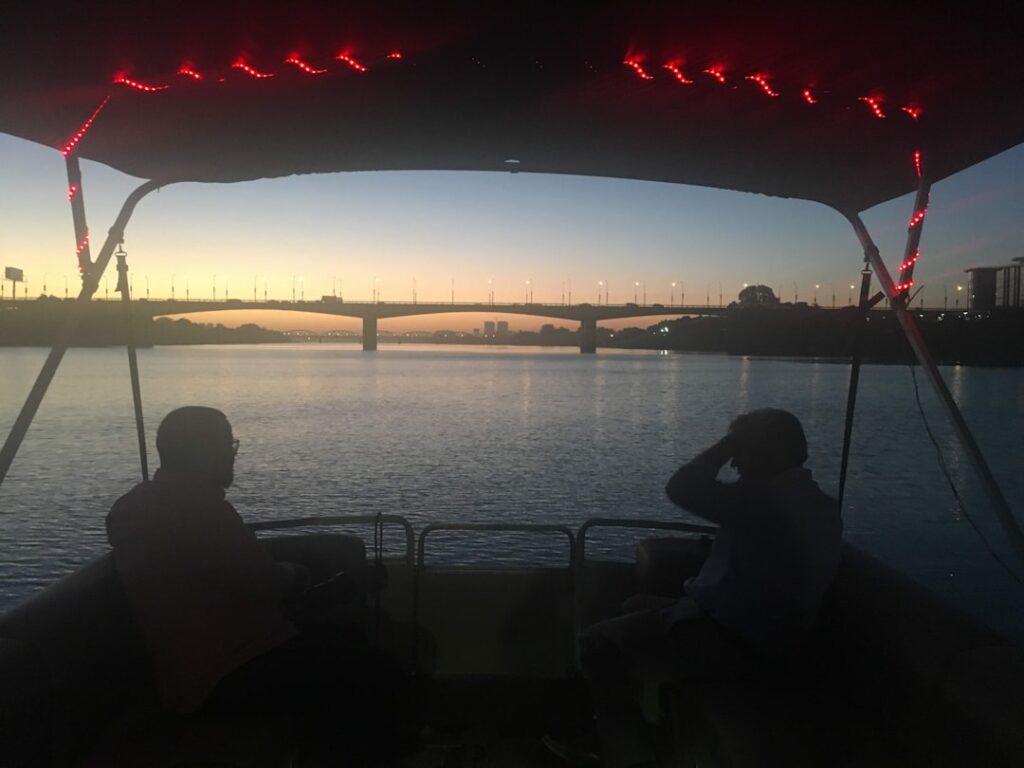
Why choose a boat trip? From the water it’s easier to spot perches used by cormorants, swifts and occasionally ospreys during migration. Aquatic plants and submerged roots become visible and indicate spawning areas for fish and amphibians. Sunset cruises reveal tree silhouettes and reflections that make wildlife watching more evocative and ideal for nature photography.
Practical tips: book in advance in high season, bring a windbreaker (the river can feel cool even in summer), avoid using flash photography which disturbs animals, and observe the guide’s recommended distances so wildlife isn’t stressed. Birdwatchers should bring a notebook and an ID guide (or an app); on evening trips, expect mosquitoes — bring repellent. Always check weather and river conditions: in case of high water or heavy rain, outings are cancelled for safety reasons.
Click here to book a rafting experience on the Adige
Local practical tips and environmental etiquette
- Best times for observation: dawn and dusk; spring (migratory birds and nesting) and autumn (migration periods).
- Recommended equipment: 8×42 binoculars, closed shoes, mosquito repellent, reusable water bottle, bag for waste.
- Golden rule: don’t feed wildlife, keep a respectful distance, stay on marked trails and avoid nesting areas.
- Getting around: most sites are walkable from Piazza Bra or reachable via ATV Verona buses; cycling is a good option to cover the river quickly.
- Safety: watch out for unstable banks and slippery stones; avoid going down during flood periods.
Conclusion — Between city and nature, the Adige reveals urban biodiversity
The Adige in Verona is more than a picturesque landscape: it’s a living ecological thread that runs through the city, linking historic monuments, private gardens and urban wetlands. By following the banks, crossing Ponte Pietra, wandering Giardino Giusti, soaking up the atmosphere at Isola della Pescheria or gliding on the water in a boat, you’ll discover subtle but essential interactions between wildlife, plants and the urban fabric. These ecological corridors are valuable: they provide migration routes, nesting sites, food sources and micro-habitats on which the city depends for ecological resilience.
Visiting the Adige in Verona therefore calls for a dual awareness — historical and naturalist. Respect natural spaces, minimise disturbances and support local bank-restoration initiatives to help preserve these environments. The addresses and times provided (Giardino Giusti, Ponte Pietra, Museo di Castelvecchio, markets and boat operators) will help you plan a balanced stay mixing cultural discoveries and nature outings. Remember that prices and opening hours can change with the season; check official sources before you travel to avoid surprises.
Finally, whether you’re a photographer, an amateur birder, a family looking for a pleasant walk or a curious traveller, the Adige will offer unexpected moments: a kingfisher flashing past like an arrow, a heron’s silhouette at dawn, plane-tree leaves golden in the wind. Those images will linger long after you leave the city. So take your time, be respectful, watch in silence — and let the Adige tell you its story of biodiversity, between ancient stones and flowing water.