


Introduction
Verona is a city best discovered on foot. Nestled along the winding banks of the Adige, it presents a tapestry of Roman, medieval and Renaissance architecture that you can fully appreciate by wandering its cobbled lanes, crossing its bridges and lingering in its squares where time seems to slow down. Walking tours are not just a budget-friendly way to see the city; they peel back layers of history to reveal carved façades, surprising viewpoints and family-run shops that a tour bus would easily miss. This guide offers immersive walking routes through Verona’s hidden gems — from well-known treasures like the Arena di Verona to lesser-known delights such as secret gardens and tucked-away corners of the San Zeno district.
Contenu de l'article
Each walk here is designed for the curious explorer: exact addresses, opening hours, entry prices in euros and practical local tips to get the most out of your stroll. You’ll find half-day and full-day itineraries, coffee-break suggestions and advice on avoiding peak times. The guide also talks about the sensory experience — morning light on the Piazza delle Erbe, the crunch of spring leaves in the Giardino Giusti, the echo of footsteps on the ancient stones of the Ponte Pietra — so you’ll be ready to capture Verona’s soul with all your senses.
These walks favor encounters with places where history is written in stone: Casa di Giulietta, Museo di Castelvecchio, Basilica di San Zeno Maggiore, but also less publicized gems like the Galleria d’Arte Moderna Achille Forti or artisan workshops in streets that run perpendicular to the main tourist arteries. Descriptions include practical information — opening hours that may change with the season, indicative prices (always shown in euros), and tips for walking safely (good shoes, water points, public restrooms). Whether it’s your first visit or a return trip to rediscover the city, these walking routes will help you see Verona from a fresh perspective.
Finally, the itinerary emphasizes respect for heritage and residents. The narrow streets are still living spaces: be mindful of quiet hours, avoid blocking passages with bags or oversized groups, and choose family-run cafés over chains. On these walks you’ll learn which doors are worth pushing open, which benches offer the best picnic view, and how to listen to the stories whispered by ancient walls. Pack comfortable walking shoes, a paper guide or an offline maps app, and let your feet lead you to Verona’s hidden gems.
Historic centre and the Arena di Verona: Roman grandeur and intimate lanes
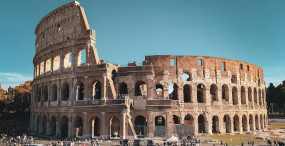
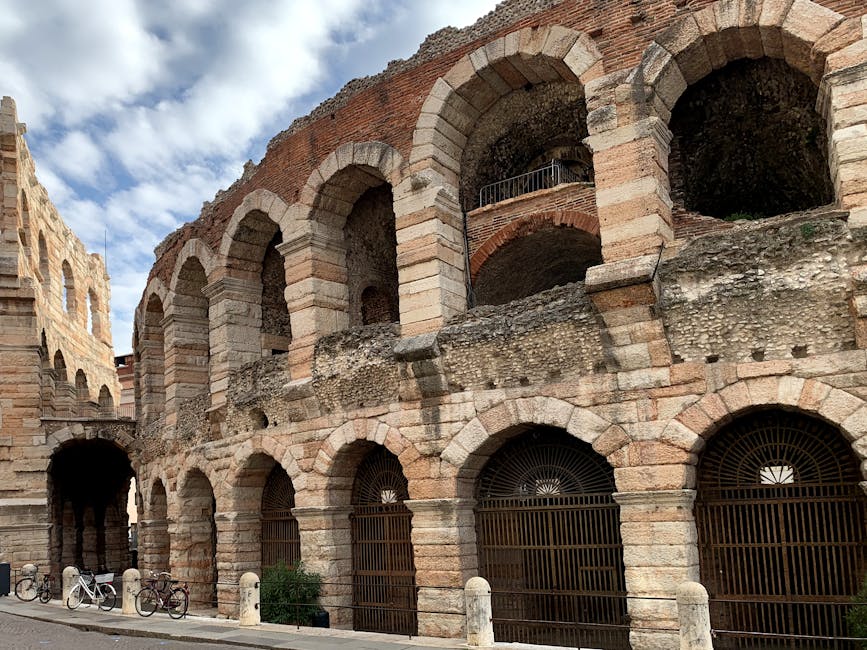
The Arena di Verona is often the natural starting point for a walk through the historic centre. Located on Piazza Bra (Piazza Bra, 1, 37121 Verona VR), it is one of the best-preserved Roman amphitheatres in Italy. For a full visit, consider the Museo dell’Arena and a guided tour of the arena; tickets typically run around €10–€12 for adults (indicative price). Opening hours: the ticket office is often open from 9:00 to 18:00 outside peak season and can vary depending on performances (check the official site before you go). An evening at the opera is unforgettable, though tickets can be pricey during opera season (June to September).
Around the Arena, streets overflow with craft shops, cafés and gelaterie. Stroll along Via Mazzini, the pedestrian shopping street that links the Arena to Piazza delle Erbe: the cobbles polish your shoes and open up views of Gothic and Renaissance façades. Don’t miss Torre dei Lamberti (Piazza delle Erbe, 1, 37121 Verona VR) — a staircase and elevator take you to the top for panoramic views over Verona’s red roofs. Prices: around €8–€10; hours: 10:00–18:00 (seasonal times vary).
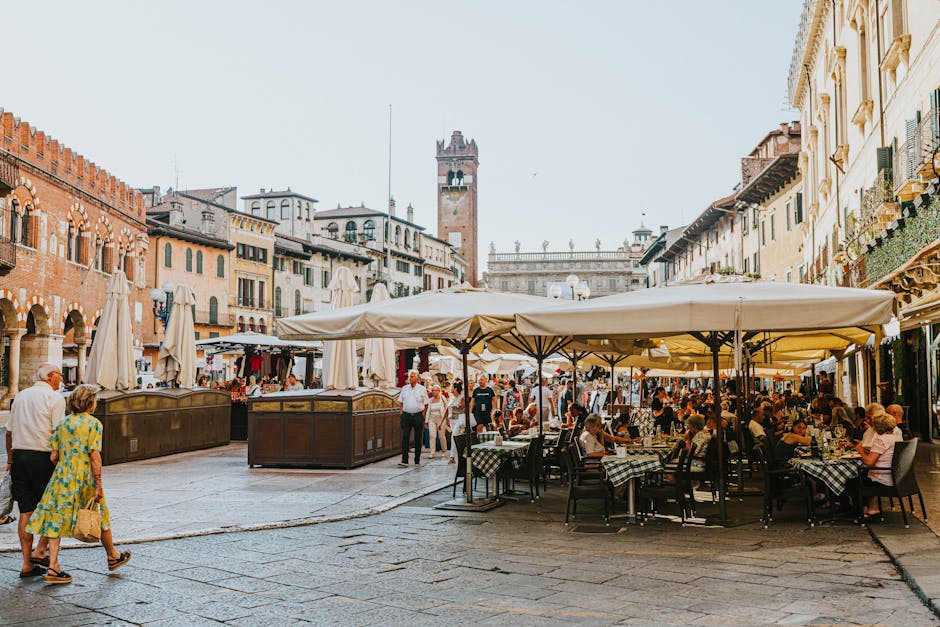
On Piazza delle Erbe, the former Roman forum turned medieval marketplace, take time to admire the Madonna Verona fountain and the column of the Scala. Address: Piazza delle Erbe, 37121 Verona VR. The daily market (except some public holidays) livens the square from morning with fruit, vegetables, handcrafted souvenirs and local specialty stalls. For a tasty break, sit down at Caffè Borsari or Antica Bottega del Vino, but be aware that places facing monuments often charge a premium for the location. Practical tip: head to the adjacent side streets for more authentic cafés and gentler prices.
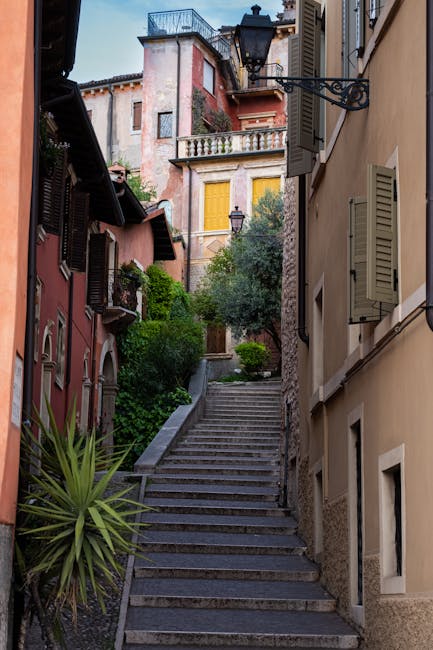
Finally, deliberately lose yourself in the small lanes around Via Cappello (Via Cappello, 23, 37121 Verona VR), home to the famous Casa di Giulietta. Entry to the courtyard and the famous balcony usually costs around €6 (Casa di Giulietta). Opening hours: 8:30–19:30 (check off-season times). Although very touristy, the spot retains special charm at sunrise or in the evening when the stone takes on a golden glow. Wander the side streets to find tiny churches, craftsmen’s workshops and peaceful corners that are the true pleasure of walking tours.
 Click here to book your guided Arena and city tour
San Zeno district and Basilica di San Zeno Maggiore: spirituality and craftsmanship
The San Zeno quarter, west of the historic centre, is one of the most evocative areas for a half-day walking tour. Basilica di San Zeno Maggiore (Piazza San Zeno, 2, 37123 Verona VR) is a Romanesque masterpiece whose polychrome stone façade and carved portal immediately draw the eye. Entry to the basilica nave is free; visiting the museum and crypt may require a small fee of around €3–€5. Hours: typically 8:30–18:00 for visits, with occasional religious services (check mass times before you go).
Start your walk in the piazza in front of the basilica, then wander down Via San Zeno and the surrounding streets where artisan workshops, traditional bakeries and small osterie hide away. Stop at Forneria San Zeno to try a local focaccia (approximate price €2–€4 depending on toppings). The neighbourhood keeps a residential feel far from tourist bustle: it’s a great place to watch daily life, old benches, dogs napping in the shade and shopkeepers chatting at aperitivo time.
A short stroll away, Ponte San Zeno frames a lovely view of the Adige with colorful houses and gardens. It’s an excellent starting point for a riverside walk toward Ponte Pietra. For lovers of military history and architecture, Porta Borsari (Via Borsari, 37121 Verona VR) is nearby and recalls the city’s Roman remains. Practical tip: morning and late afternoon light are softer for photography; avoid midday when the sun flattens stone details with hard shadows.
Bring comfortable shoes: the cobbles and slopes around San Zeno can be uneven. If you’re traveling in a group, pick clear meeting points like the statue in the piazza or the basilica’s main exit. To extend the experience, explore small ceramic and fabric shops — local artisans appreciate interest and sometimes offer short 30–60 minute workshops to teach a traditional technique (prices vary around €15–€30).
Click here to join a leather wallet-making workshop
Castelvecchio, Museo di Castelvecchio and the medieval riverbanks
Museo di Castelvecchio (Corso Castelvecchio, 2, 37121 Verona VR) is housed in a 14th-century castle built by the Scaliger family. The fortified complex, with its bridge over the Adige, is a prime example of military architecture turned into a showcase for art spanning the Middle Ages to the Renaissance. Entry fees: around €6–€8 for the museum (indicative price), opening hours: generally 8:30–19:30 (some sections closed on Mondays, check before visiting).
Cross the Ponte Scaligero — rebuilt after World War II — to admire the castle’s silhouette against the river. The bridge and ramparts offer spectacular photographic vistas, especially at sunset when the walls warm to rich tones. Inside the museum, look for works by Pisanello, medieval sculptures and ancient weapons: the displays help trace Verona’s development as a political and artistic crossroads.
After the museum, continue your walk along the north bank of the Adige: Via Guglielmo Marconi and Via Armando Diaz lead to picturesque quays where temporary markets and outdoor exhibitions sometimes take place. Stop at Torcolo Café (address near Museo di Castelvecchio, check locally) for an espresso and a tramezzino (€2–€5), and use the public benches to watch boats and ducks on the river.
Visitor tips: the museum and castle often offer audio guides in multiple languages (price varies, sometimes included). Photographers will love the interplay between military architecture and reflections on the water — tripods are usually not allowed inside the museum but are useful for night views of the bridge. If traveling with family, look out for educational workshops the museum runs during school holidays (sign up at reception, fees vary).
Ponte Pietra, Teatro Romano and the Adige panoramas
For a walk that combines ancient ruins and riverside views, head to Ponte Pietra and the Teatro Romano. Ponte Pietra (Ponte Pietra, 37121 Verona VR) is an old stone bridge connecting the south and north banks of the Adige; it’s free and accessible at any hour. From there, walk to the Teatro Romano (Via Fenice, 2, 37121 Verona VR) on the north bank: entry to the archaeological site and adjacent museum typically costs €4–€6 (indicative price) and hours are often 9:00–19:00 (seasonal variations).
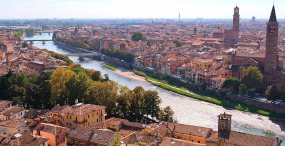
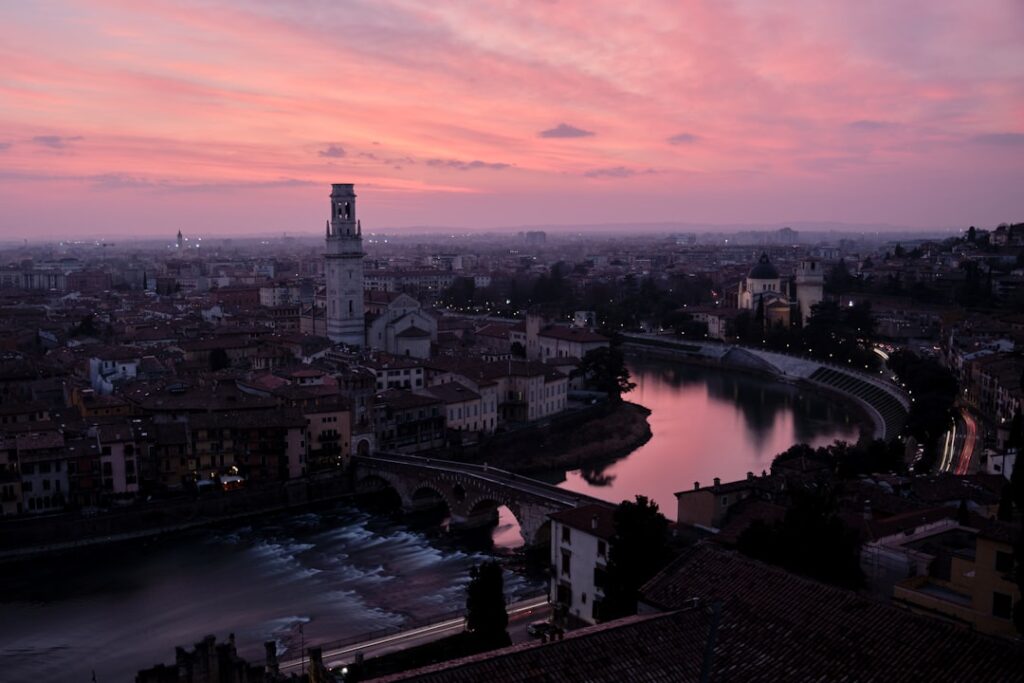
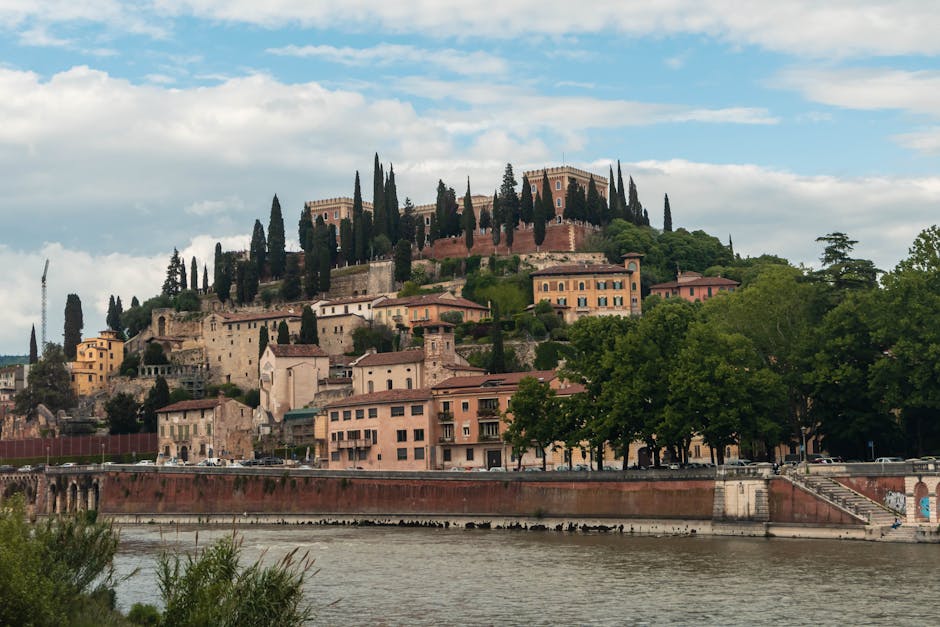
The Teatro Romano, carved into the city hill, offers a natural balcony over the town and the river. The archaeological museum below the theatre displays mosaics and artifacts that tell Verona’s Roman story. Then climb toward Via San Pietro and Casa di Giulietta if you want to loop back; but to stay in quiet surroundings, head up to the Castel San Pietro viewpoint (Piazza Castel San Pietro, 37121 Verona VR) via a short hike from the Teatro Romano. This overlook provides one of the best panoramic views of the old town, the Adige and the surrounding hills — perfect for a sunset aperitivo.
Practical tips: the path to the viewpoint includes stairs and slopes; walking shoes are recommended. If you prefer to avoid the climb, a funicular (Funicolare di Castel San Pietro) operates seasonally and costs a few euros per trip — check current schedules at the local tourist office. For photographers, the golden hours (about an hour after sunrise or an hour before sunset) lend warm tones to the ancient stones and red-tiled roofs.
Side streets, workshops and cafés: hidden pearls to uncover
Beyond the major monuments, Verona’s real hidden gems often sit in the small side streets where artisans’ workshops, discreet galleries and neighborhood cafés hide. Wander down Via Stella, Via Sottoriva and into the Ghetto district to discover bookbinders, independent jewellers and second-hand bookshops. These places often keep reduced hours (typically 10:00–13:00 and 15:30–19:00); it’s smart to alternate morning and afternoon visits.
Visit the Galleria d’Arte Moderna Achille Forti (Piazza Bra, 28, 37121 Verona VR) for a contemporary cultural pause: temporary exhibitions frequently feature local artists and surprising installations. Fees: around €5–€7; hours vary with exhibitions. For an immersion in local craftsmanship, look for signs that say « bottega » and push the doors open: many artisans welcome visitors by appointment or during afternoon hours. Souvenirs bought here — handmade leather goods, painted ceramics, silver jewellery — support the local economy and tell a more authentic story than a standard tourist keepsake.
For a tasty break, favor family-run osterie and trattorie in residential lanes where traditional dishes like risotto all’Amarone or bigoli are cooked with market-fresh ingredients. Approximate budget: €12–€25 per person for a simple meal, €25–€45 for a three-course meal in a quality trattoria. Local tip: order a caffè macchiato after your meal and avoid asking for a cappuccino after 11:00 — that’s mainly a tourist habit.
At night, some lanes change character: soft lamplight, empty little squares and terraces where locals gather. Respect the quiet, especially in residential areas, and choose small squares for a drink rather than noisy spots near monuments. By venturing off the tourist paths you’ll find hidden frescoes, flower-filled courtyards and wrought-iron gates — little details that make up Verona’s true soul.
Conclusion
Walking tours in Verona reveal a city of many faces: monumental and intimate, ancient and alive, touristy and unmistakably local. By wandering the Arena di Verona and Piazza delle Erbe, exploring San Zeno’s lanes, visiting museums like Museo di Castelvecchio, and admiring views from Ponte Pietra or the Castel San Pietro lookout, you’ll create your own story of the city. Every step brings a discovery, whether it’s a carved portal, an artisan shop, a café where time seems to stop, or a riverside view that stretches to the horizon.
To make the most of these walks, follow a few simple rules: choose off-peak hours (early morning or late afternoon) for photos and to avoid crowds; check museum and site opening times as they change with the season; wear comfortable shoes suited to cobbles; and above all respect residents and heritage — don’t climb on monuments where it’s not allowed and keep noise to a minimum in residential neighborhoods. These small gestures make for a more harmonious and respectful visit.
The practical information provided here — exact addresses, indicative prices in euros and opening hours — will help you plan your walking routes precisely. Remember that rates and hours can change: always consult the official site of a monument or Verona’s tourist office before you set out. If you want to go further, combine these walks with an Amarone tasting or a visit to a Valpolicella cellar in the nearby hills to enrich your sensory experience.
Click here to join a half-day Amarone tasting
Ultimately, Verona lends itself beautifully to walking: the city reads like an open book where every page tells stories of love, power, art and daily life. Whether you travel solo, as a couple seeking romantic spots, or with family balancing culture and relaxation, the routes suggested here mix classics with hidden gems. Grab your map, follow your feet and your curiosity — Verona will reward you with discoveries that stay with you long after you leave.