

Introduction — Venetian sauces and Verona: a marriage of flavor and history
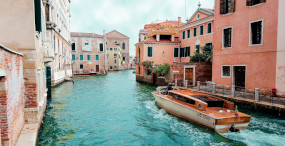
When you think of Venetian cuisine, images of Venice’s lagoons, freshly caught fish, creamy polenta and sauces shaped by centuries of trade between the Adriatic and the inland immediately come to mind. Verona, just an hour from Venice, also offers a rich culinary landscape where traditional Venetian sauces come alive in trattorie, osterie and historic restaurants. These preparations are more than mere condiments: they tell stories — of fishermen, aristocrats, home cooks, spices brought in by sea routes and produce from the Po Valley.
Contenu de l'article
In this piece I invite you on an immersive tour of the « Top 7 Venetian Sauces » and the Veronese spots where you can taste them authentically. But beware: here, « sauce » isn’t limited to a jar or a spoonful. We’re talking about flavor combinations that dress pasta, polenta, rice, fish and meat — preparations that can turn a humble dish into a memorable experience. Each sauce I present comes with a specific Verona address, typical opening hours, a price range and local tips to get the most out of the tasting.
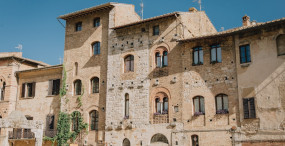
Why Verona? Because this historic city, set between the Adige and the hills, has absorbed Venetian culinary traditions while adapting them to local products: regional radicchio, quality beef, freshwater fish and hill mushrooms. Veronese restaurateurs act as custodians: they keep family recipes alive, revive nearly forgotten sauces and serve them in settings that are part of the journey — medieval atriums, palazzo façades, small shaded courtyards. The sauces in this roundup are as much symbols of the region as they are invitations to step off the usual tourist paths.
Throughout these pages expect sensory descriptions — texture, aroma, temperature, plays of acidity and sweetness — but also practical info: exact addresses, usual opening hours, price bands in euros, and tips to avoid tourist traps (busy hours, dishes to share, when to book). I selected places that embody Verona’s soul — from tiny family-run osterie to institutions people have been visiting for generations. Get hungry: from confit anchovies and slow ragùs to butter-and-wine sauces and sweet-and-sour maritime compositions, the Venetian flavor palette awaits.
 Click here to book a cooking class with dinner and wine
1. Bigoli in salsa — the anchovy-and-onion sauce: Osteria Le Vecete, Vicolo Pozzo 2, 37121 Verona
Bigoli in salsa is one of Veneto’s most iconic classics: thick hand-rolled pasta (bigoli) coated in a simple but powerful sauce made from slowly caramelized onions and salted anchovies reduced to a paste. In Verona, Osteria Le Vecete is known for its rustic, well-balanced version that highlights the anchovy’s umami without overpowering the onions’ sweetness.
Address: Osteria Le Vecete, Vicolo Pozzo 2, 37121 Verona
Hours: Tuesday–Sunday 12:00–14:30 / 19:00–23:00 (closed Monday)
Price range: Bigoli in salsa: €10–14
Sensory description: the sauce is golden-brown, oily but never heavy. On first bite, the anchovy’s saline punch is tempered by the caramelized onion’s soft sweetness. The slightly al dente bigoli capture the sauce like a sponge, offering a satisfying chew. The dish is often finished with a sprinkle of fresh parsley and a drizzle of extra virgin olive oil to lighten it.
Practical tips: arrive early or book, as the place is small. If you’re an anchovy fan, ask whether they serve a « con bottarga » version on market days — sometimes grated bottarga is added for an extra note. Pair this dish with a glass of Valpolicella Classico (€8–12 a glass) or a chilled Soave to counter the saltiness. If you’re sensitive to salt, request a « low-salt » portion.
Click here to discover a 1.5-hour culinary walking tour

2. Sarde in saor (sweet-and-sour sardines) — Trattoria Al Bersagliere, Via Venti Settembre 24, 37121 Verona
Sarde in saor is the meeting point of land and sea: fried sardines marinated in a sweet-and-sour sauce of onions, vinegar, raisins and pine nuts — a preserve born from the need to keep fish on long voyages. In Verona, Trattoria Al Bersagliere offers a faithful version, served as an antipasto or alongside soft polenta.
Address: Trattoria Al Bersagliere, Via Venti Settembre 24, 37121 Verona
Hours: Daily 12:00–15:00 / 19:00–22:30
Price range: Antipasti plate with sarde in saor: €7–12
Immersive description: resting on a bed of soft polenta or grilled country bread, each fillet reveals layers of flavor: crisp fried coating, the vinegar’s bright acidity, the sweetness of caramelized onions, the roundness of raisins and the pine nuts’ crunchy note. The flavor balance is surprisingly even — not too sweet, not too vinegary — with a lingering maritime finish. Served slightly cool, this dish shines in summer but also provides a refreshing contrast to heavier dishes in colder months.
Practical tips: the trattoria is close to the Adige and draws many locals in the evenings. Sit inside to soak up the traditional atmosphere. For a pairing, choose a glass of Lugana (€6–10) or a lively non-vintage Prosecco. If you’re traveling with someone who dislikes sweet-and-sour flavors, share the portion and order polenta e schie (freshwater shrimp) on the side to compare.
Click here to book a wine & aperitivo culinary tour
3. Pearà — the pepper-and-breadcrumb sauce that dresses lesso: Antica Trattoria al Pompiere, Via Dietro San Sebastiano 7, 37121 Verona
Pearà might be the most « Veronese » sauce in this selection: a warm emulsion made from bread crumbs, meat broth (usually beef), butter and lots of black pepper. Traditionally served with lesso (boiled meats) — a communal dish for large gatherings — it’s at once comforting and potent. At Antica Trattoria al Pompiere the pearà is made following a family recipe that keeps it silky without becoming pasty.
Address: Antica Trattoria al Pompiere, Via Dietro San Sebastiano 7, 37121 Verona
Hours: Tuesday–Sunday 12:00–14:30 / 19:00–23:00 (closed Monday)
Price range: Pearà portion with lesso (shared): €14–22 per person
Detailed description: pearà displays a deep beige color, velvety and coating. At first contact the texture recalls a creamy polenta, but the aromatic power comes from generously cracked black pepper and concentrated broth. The bread acts as a thickener and contributes a slight toasty note. Traditional etiquette calls for dipping pieces of meat (shank, tongue, brisket) into the sauce before eating, creating a combination of tender meat and bold spice.
Local tips: this dish is perfect after a chilly or rainy day. At Antica Trattoria al Pompiere, ask for the « portion to share » and pair it with a Valpolicella Ripasso (€15–25 a bottle) which stands up well to pearà’s richness. Avoid wearing delicate clothes — the sauce can splatter — and ask for an extra roll if you want to extend the experience. Vegetarians should note that the traditional pearà is meat-based; ask if the kitchen can prepare a vegetarian version.
Click here to book a walking tour with meal and wine
4. Risi e bisi — the peas-based sauce: Trattoria da Fiorella, Piazza Bra 9, 37121 Verona
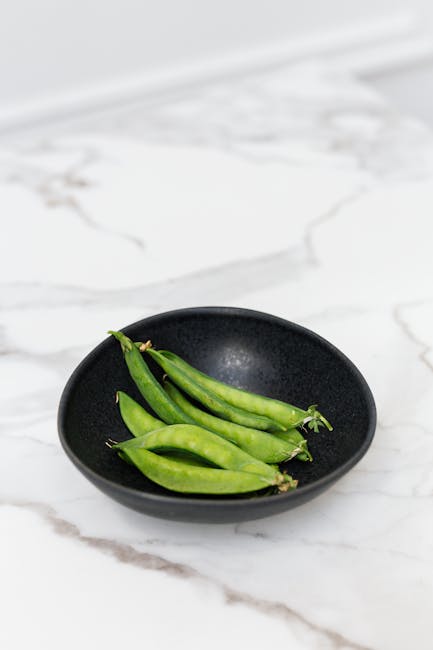
Risi e bisi is sometimes mistakenly called a « risotto »; it’s actually somewhere between a soup, risotto and pilaf, where fresh peas dictate the season and the color. This springtime Venetian dish is rarely found outside the fresh-pea window (April–May). At Trattoria da Fiorella they celebrate the season with a vibrant green risi e bisi that’s generous yet delicate.
Address: Trattoria da Fiorella, Piazza Bra 9, 37121 Verona
Hours: Daily 12:00–15:00 / 19:00–23:00
Price range: Risi e bisi: €12–16
Taste description: the sauce is light and creamy, created by reducing peas in a broth and sometimes enriched with a knob of butter and a sprinkle of grated Parmesan. Unlike heavy risottos, risi e bisi should remain loose, almost brothy, so rice and peas coexist without one overpowering the other. The peas’ fresh vegetal brightness and the aroma of the chicken or vegetable stock make for an unmatched springtime combination.
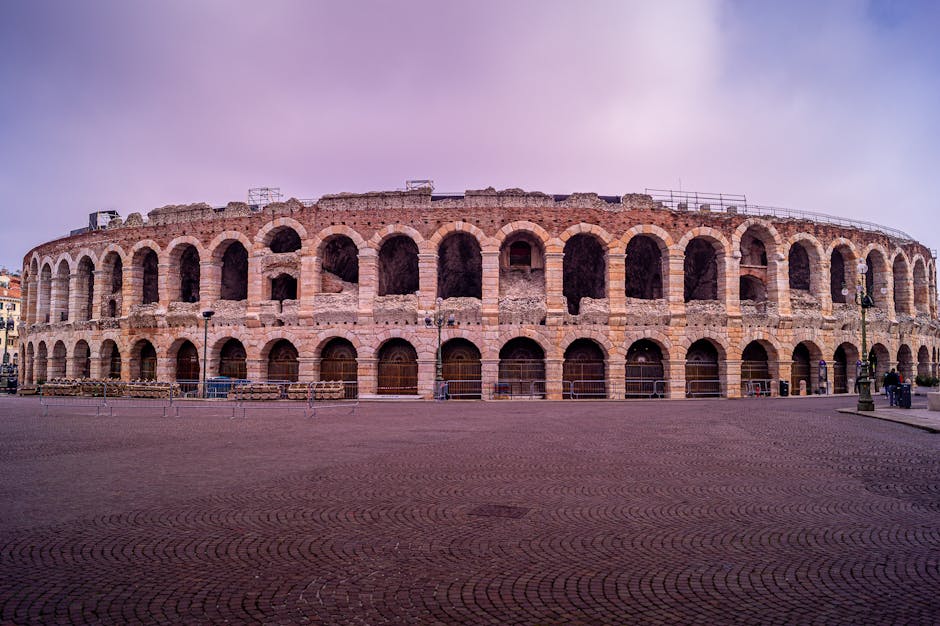
Practical tips: check the menu by season — outside spring you might not find an authentic version. If you’re there in April or May order a « mezzo » portion to enjoy a tasty serving without feeling overly full. Pair with a Pinot Grigio delle Venezie (€6–10 a glass) and finish with a light local pastry. Trattoria da Fiorella is close to the Arena, so expect a mixed crowd of tourists and locals — book for dinner after a show.
Click here to book a pasta and tiramisu class
5. Salsa alle sarde (pasta sauce with sardines) — Osteria Sottoriva, Via Sottoriva 10, 37121 Verona
Salsa alle sarde differs slightly from sarde in saor: it’s conceived to dress pasta — often spaghetti or bucatini — and combines sardines, fennel, raisins, pine nuts, tomatoes and sometimes a hint of orange zest. It represents the Mediterranean fusion that influenced Venetian cooking. Osteria Sottoriva, located on the picturesque Sottoriva street, serves a fragrant version that subtly plays on sweet-and-salty contrasts.
Address: Osteria Sottoriva, Via Sottoriva 10, 37121 Verona
Hours: Tuesday–Sunday 12:00–15:00 / 19:00–23:00
Price range: Pasta with salsa alle sarde: €11–16
Immersive description: picture glossy spaghetti coated in a sauce where the oily notes of cooked sardines intertwine with fennel’s aniseed freshness, the sweetness of plumped raisins and the salty crunch of pine nuts. Orange zest adds an aromatic lift that lightens the whole. This sauce exemplifies the balance Venetian cuisine seeks: it doesn’t hide the main ingredient (the sardine) but frames it with complementary nuances.
Practical tips: Sottoriva is a busy street, ideal for a lunch after strolling. Ask for artisanal pasta if available — it holds the sauce better. For pairing, choose a dry but aromatic white like Soave Classico (€7–12). If you have nut allergies, warn the staff because of the pine nuts.
Click here to book a walking tour & street food cooking experience
6. Salsa al ragù di anatra (duck ragù) — Ristorante Maffei, Piazza delle Erbe 38, 37121 Verona
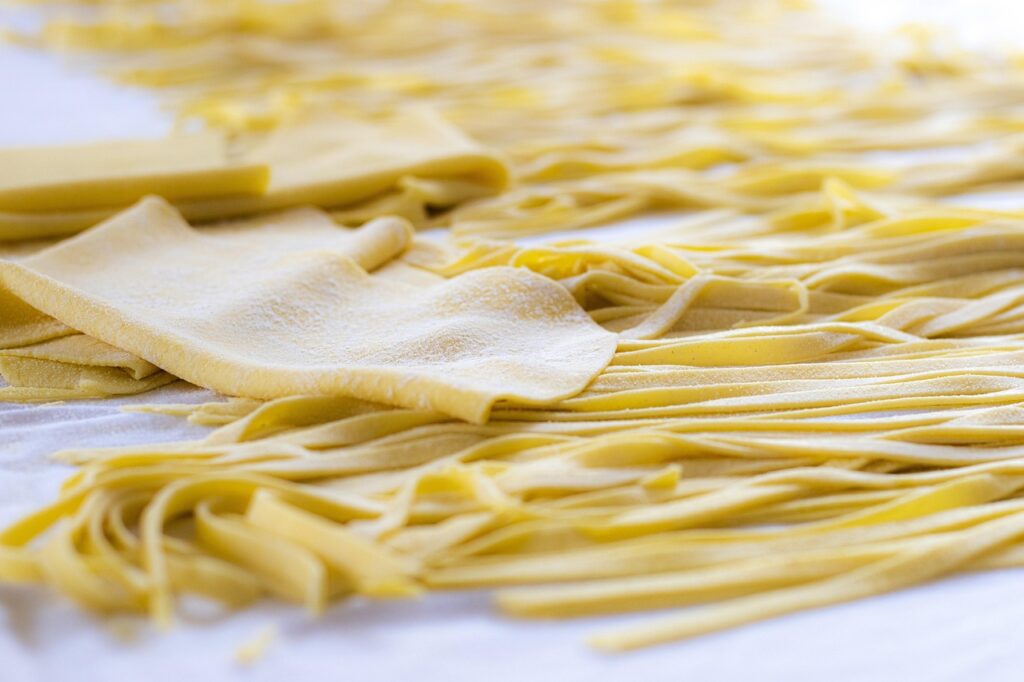
Duck ragù (ragù d’anatra) is a rustic alternative to beef ragù. It’s often served with wide pasta (tagliatelle) or gnocchi, and its richness comes from slow-cooking duck pieces with wine, tomatoes and herbs. Ristorante Maffei, located on the legendary Piazza delle Erbe, presents a refined duck ragù that pairs the duck’s sturdy structure with the elegant touches of refined cooking.
Address: Ristorante Maffei, Piazza delle Erbe 38, 37121 Verona
Hours: Daily 12:00–15:00 / 19:00–23:30
Price range: Tagliatelle al ragù d’anatra: €18–26
Detailed description: after a long reduction the sauce becomes silky and almost coating, with shredded pieces of duck adding a succulent bite. The red wine used in the braise brings tannic depth balanced by the tomatoes’ gentle sweetness and a few herbs (thyme, rosemary). Tasting it is a real journey: roasted-meat notes, melt-in-the-mouth confit and a slight acidity that keeps the sauce in balance.
Local tips: Ristorante Maffei sits at the heart of Piazza delle Erbe — perfect for dinner after visiting the square. Prices are higher than a typical osteria, but quality and service justify it. Pair the duck ragù with a Valpolicella Ripasso or an Amarone for a full gastronomic experience (bottles €35–80). Book a table facing the square for the view, but be aware there may be a surcharge for the location.
Click here to discover Verona with a walking tour & Arena visit
7. Salsa al burro e salvia (butter and sage) for gnocchi — Trattoria al Pompiere Secondo, Via Teatro Filarmonico 8, 37121 Verona
Simple, almost minimalist, the butter-and-sage sauce (burro e salvia) is one of the purest ways to enjoy fresh pasta or gnocchi. The key lies in the quality of the butter and the freshness of the sage: when combined hot they release an intoxicating aroma and create a silky sauce that perfectly coats the gnocchi. At Trattoria al Pompiere Secondo the preparation stays true to the Venetian spirit of using few ingredients at the highest quality.
Address: Trattoria al Pompiere Secondo, Via Teatro Filarmonico 8, 37121 Verona
Hours: Wednesday–Sunday 12:00–14:30 / 19:00–22:30
Price range: Gnocchi al burro e salvia: €9–14
Sensory description: the butter, heated until it takes on a faint hazelnut aroma, blends with the camphor-like freshness of sage. The sauce is glossy, light and enveloping; each gnocco becomes a burst of buttery sweetness punctuated by the herbaceous sage. Simple yet refined, it’s a dish that celebrates the nobility of basic ingredients.
Practical tips: ask if the gnocchi are homemade — it makes all the difference. This dish works well as a starter or a light main; pair it with a glass of Chardonnay delle Venezie or a finely sparkling Soave (€6–12). For a contrast in textures, order a plate of local salumi alongside to add saltiness and crunch.
Click here to learn the secrets of making perfect gnocchi
Conclusion — Taste Verona, one sauce at a time
Exploring Verona through its Venetian sauces means taking the time to listen to the city: its morning markets, smoked fish stalls, vegetable and cheese displays, and the voices of cooks who work dough with expert hands. Each sauce mentioned here — from bigoli in salsa to sarde in saor and the quintessential pearà — opens a door to regional traditions and family know-how. They teach us the essential recipe of Venetian cooking: few ingredients, treated with patience and respect, produce flavors of great complexity.
Practically speaking, here are a few golden rules to make the most of this sauce trail in Verona: book at small osterie, especially in high season; always ask whether pasta or gnocchi are homemade; respect seasonality (risi e bisi in spring, sarde during sardine season); pair these dishes with local wines (Soave, Valpolicella, Lugana) instead of overpowering international drinks; and be ready to share — many of these preparations were born to be enjoyed family-style.
On a logistical note, most of the venues listed are in the historic center (Piazza delle Erbe, Sottoriva, the alleys near the Arena). Parking can be tricky: favor walking or external car parks (Parcheggio Cittadella or Parcheggio Porta Palio) and stroll between bites to appreciate the architecture. Prices mentioned are indicative and can vary with the daily menu and wine choice; don’t hesitate to ask staff for pairing recommendations.
Finally, let curiosity lead: ask the chef about the history of a sauce, the origin of an ingredient, how the recipe evolved. In Verona, food is shared like conversation: unhurried, warm and generous. Whether you’re there for a grand dinner on Piazza delle Erbe or a comforting plate in a tiny osteria, each Venetian sauce here tells a piece of the region’s soul — and it’s by tasting them all, slowly, that you’ll truly go home richer.