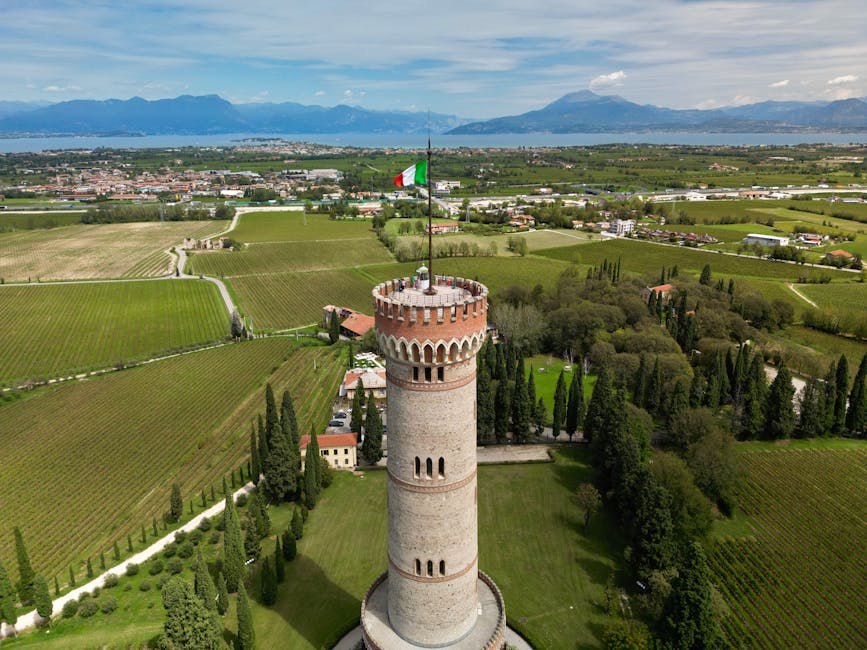






Introduction — Wine tasting and wine tourism on Lake Garda in one day from Verona
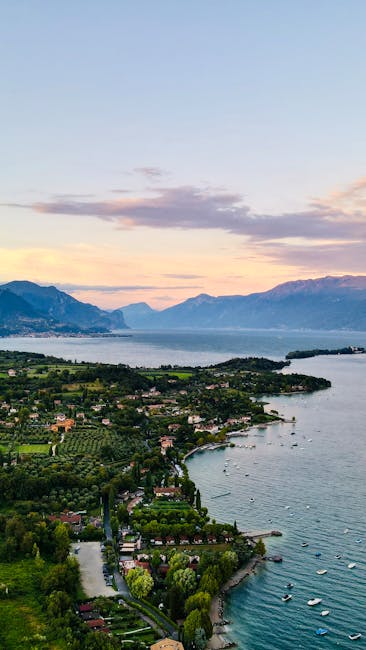
Lake Garda (Lago di Garda) is a legendary spot for wine lovers, blending lakeside scenery, historic resort towns and high-quality vineyards. From Verona, you can easily put together a one-day itinerary focused on tastings and wine tourism, visiting wineries, enoteche and wine villages along the lake’s eastern shore: Bardolino, Lazise and Peschiera del Garda. This guide is designed for the traveler short on time but picky about experiences: it outlines a route doable by car or by train + taxi, lists exact addresses, opening hours, prices, practical tips and vivid descriptions for each stop so your day is efficient and sensory.
The area around Lake Garda enjoys a mild microclimate ideal for native grape varieties like Corvina, Rondinella and Molinara — the usual blend for Valpolicella and the famed Amarone to the west — as well as Bardolino and Lugana on the east and south shores. Verona’s close proximity makes early departures easy: in 25–45 minutes by car you can be at a winery ready for a tour and tasting. Over the course of the day you’ll sample robust reds from the Bardolino–Valpolicella area and crisp, mineral-driven whites from Lugana or Chardonnay made in the traditional method on the lakeside slopes.
This guide offers a sample itinerary with a logical sequence: first stop for coffee and a light introduction to the local wines, then a historic estate with cellar and barrels, a local lunch with food-and-wine pairings, a stroll through a lakeside village, followed by an urban enoteca for a comparative tasting and, time permitting, a visit to a producer of sparkling wines. The schedules and prices shown reflect typical 2026 practices: paid guided tours (€10–30 per person) and freeform tastings in enoteche (€6–20). I also include practical local tips: book ahead, plan travel times, what to prioritize when buying, and how to follow tasting etiquette to get the most from each pour.
Beyond numbers and addresses, wine tourism at Lake Garda is sensory: direct contact with sun-drenched vines, hilltop views, the scent of grape skins and limestone soils, and the mouthfeel of the wines. This guide aims to make you self-sufficient: by day’s end you’ll know how to get back to Verona, which bottles to bring home, and how to extend the experience if you decide to return. Pack your palate, your camera and comfortable shoes — this promises to be a rich, accessible and memorable day.
1. Departure from Verona and first stop: Bardolino, Cantina Zeni 1870
Leave early from central Verona (Porta Nuova or Piazza Bra) to reach Bardolino on Lake Garda’s eastern shore. By car count on 35–45 minutes depending on traffic (roughly 35 km). First recommended stop: Cantina Zeni 1870, a historic cellar known for its Bardolino and regional wines. Address: Cantina Zeni 1870, Via Zeni 1, 37011 Bardolino VR, Italy. Typical opening hours: 09:00–12:30 and 14:00–18:00 (closed Sunday morning out of season; always check and reserve). Indicative prices: guided tour + standard tasting €15 per person; premium tasting (4 wines + snack) €25–30 per person.
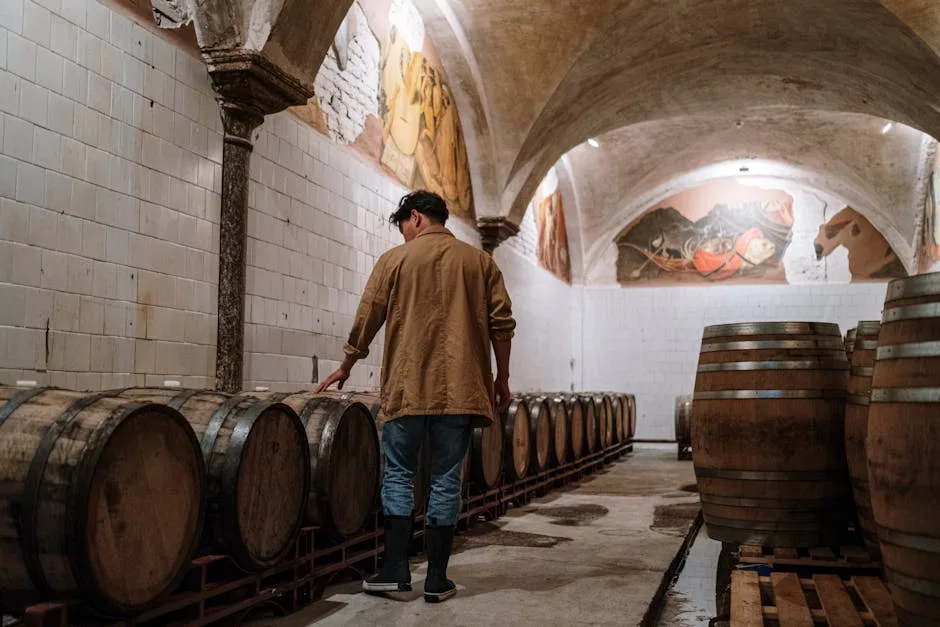
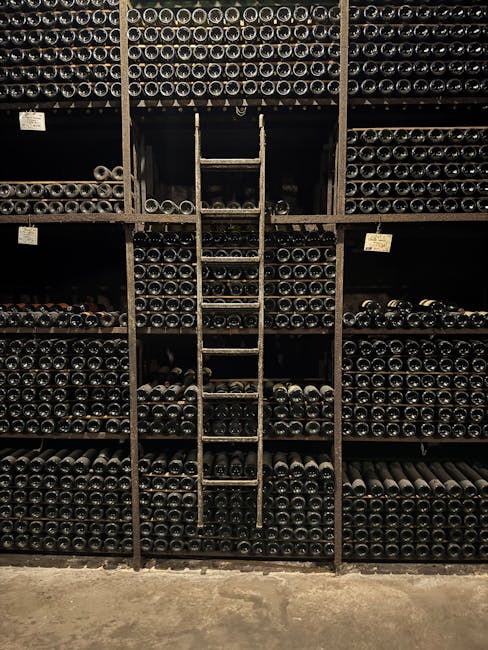
The on-site experience begins with a tour of the cellars and barrels explaining oak aging and Bardolino blending. Tastings take place in a bright room or on the terrace (weather permitting), offering an initial aromatic profile: fresh red fruits, gentle spices and floral hints. Immersive description: picture a small paved courtyard, rows of vintage bottles in a display, the scent of wood and lees, and a guide handing you a glass of translucent ruby — a wake-up call for your palate.
Practical tips: book online or by phone at +39 045 721 0030 (sample number; confirm on the official site before you go). Prefer a guided tour to learn about terroir and grape varieties; if you travel in high season (May–Sept), book 48–72 hours in advance. If you plan to buy bottles, ask for cellar prices (often lower than shop prices). For parking, use the nearby public lot: Parcheggio Comunale Bardolino, Via Porto, 37011 Bardolino VR — rates vary.
 Click here to book an e-bike wine tour in Bardolino hills
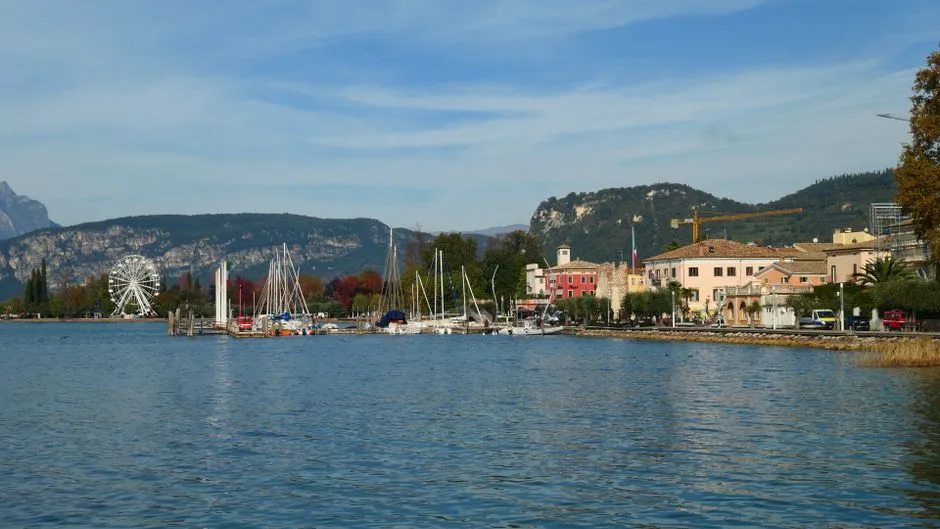
2. Lunch and stroll in Lazise — Traditional osteria and local enoteca
After the morning at the cellar, head to Lazise, a charming medieval village 10–15 minutes from Bardolino. For lunch I recommend a classic spot: Osteria Al Porto, Via Gardesana 6, 37017 Lazise VR, Italy. Hours: 12:00–14:30 and 19:00–22:30. Lunch budget: mains €12–22; tasting menu (by reservation) €35–50 per person. The osteria pairs local dishes with wines: filetti di pesce persico (perch fillets) and risotto alla gardesana served with Lugana or local Chardonnay.
After your meal, wander the medieval lanes and the marina. Stop by the local enoteca — Enoteca del Lago, Piazza Vittorio Emanuele II 3, 37017 Lazise VR, Italy. Hours: 10:00–20:00 (closed some Mondays). Offerings: freeform tasting for €6 for a single glass or €12–18 for a flight of three selected wines. The owners often present a Bardolino vs. Lugana comparison, which is perfect for refining your preferences.
Immersive description: the sunlit cobbled square, the lapping of boats, and an enoteca terrace pouring a bright white with golden highlights. You’ll learn to notice Lugana’s minerality from the morainic soils south of the lake and the soft tannins of Bardolino. Tips: jot quick notes on your phone about lots and vintages you like; note labels for later purchases. If time allows, buy a bottle to-go — most enoteche will wrap bottles for travel.
Click here to book a Lazise historic center wine tasting
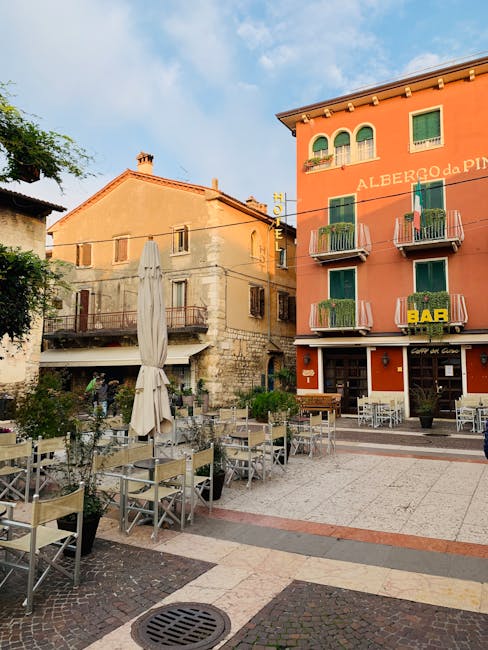
3. Afternoon: Peschiera del Garda and comparative tasting in an enoteca
Continue to Peschiera del Garda (about 15 minutes by car), a fortified town listed as a UNESCO World Heritage site. Here opt for a comparative tasting at a reputable urban enoteca: Enoteca della Dogana, Via Roma 18, 37019 Peschiera del Garda VR, Italy. Hours: 11:00–23:00. Prices: themed guided tasting (3 wines) €12–18; charcuterie/cheese board €10–18.
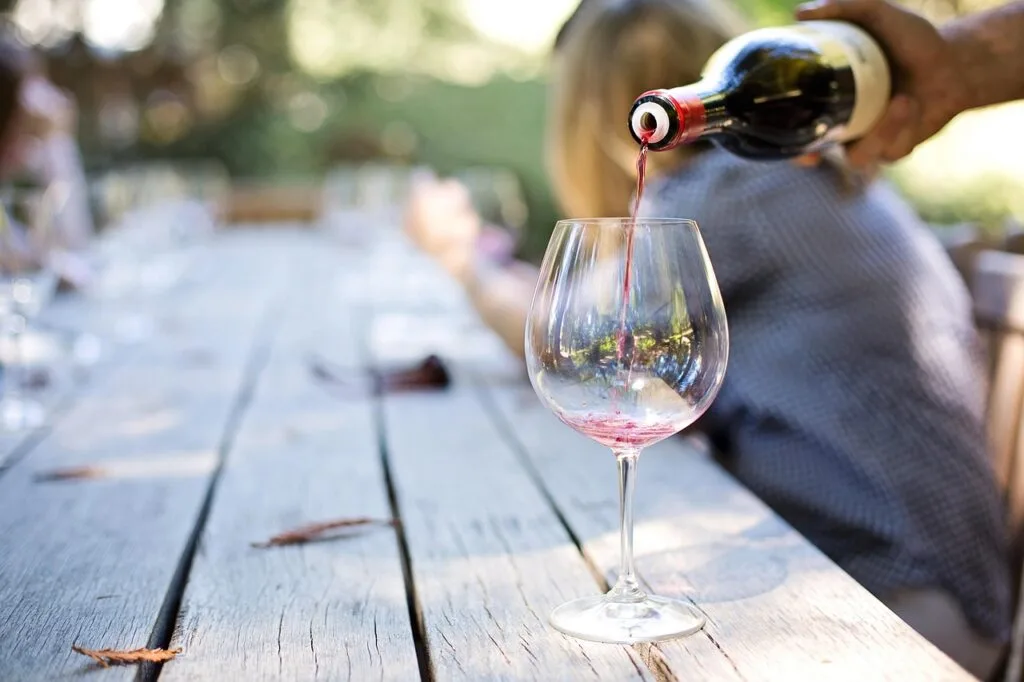
A comparative tasting lets you evaluate wines of the same grape from different terroirs side by side: for example a Lugana Classico vs. a Lugana Riserva, or two Bardolinos from distinct producers. The tasting method focuses on sight (colour, legs), nose (first impressions, development) and palate (attack, mid-palate, finish). The enoteca is also a great place to talk with a local sommelier — ask for recommendations of small producers or family-run vineyards that take visits by appointment.
Immersive experience: you sit at an old wooden table beneath exposed beams, surrounded by racks of bottles. The sommelier guides you through vinification, vintage and terroir specifics. Local tips: start with whites (Lugana, Chiaretto) then move to reds; use plain bread between sips to cleanse the palate. If you plan to bring bottles home, ask staff about consignment shipping rather than simple wrapping if you’ll be flying.
Click here to join a Bardolino Chiaretto and Lugana tasting
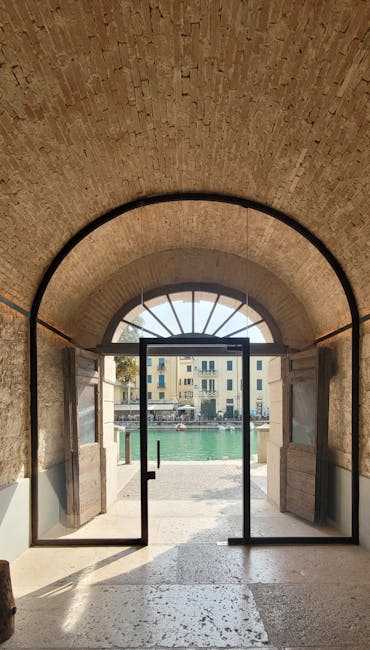
4. Late afternoon: visit a sparkling wine producer or a family-run estate
To finish the day, choose either a visit to a sparkling wine producer or a small family estate that still uses traditional winemaking. A typical example south of the lake: Azienda Agricola Guerrieri Rizzardi (diverse production). Address: Guerrieri Rizzardi — Via San Giorgio, 82, 37011 Bardolino VR, Italy (check availability and hours on their website). Typical cellar hours: 09:00–12:30 and 14:00–18:00; visits by appointment. Price: tour + tasting €20–35 depending on the program (sparkling wines + barrel-aged wines).
The visit often includes an explanation of sparkling wine production (Charmat vs. traditional method) and a stop in the blending room. Tasting a sparkling wine late in the afternoon, with the light lowering over the lake, is an elegant way to end: notice the fine bubbles, refreshing acidity and the secondary aromas that come from bottle fermentation. Tips: if you must drive, limit yourself to 1–2 glasses or designate a driver; otherwise ask about local shuttle services or taxis from Peschiera.
Click here to book a Monte Baldo organic mountain wine tasting
5. Return to Verona and options for bringing wines home
Head back to Verona at the end of the day (allow 35–45 minutes) and leave time for a final practical stop: packing your purchases and documenting the bottles. Many wineries offer international shipping or courier services to France/Europe; ask about costs at the cellar (often €20–60 depending on quantity and destination). If travelling by train, check box sizes and compatibility with your luggage; a six-bottle box weighs about 9–12 kg.
Buying tips: look for bottles labeled « DOC » or « DOCG » as a guarantee of origin. Around Lake Garda, keep an eye out for Bardolino DOC, Lugana DOC, Custoza DOC and Valpolicella/Amarone if you can make a detour. Indicative cellar prices: Bardolino €8–15; Lugana €10–20; sparkling wines €12–25; Amarone €30–70 depending on producer and vintage. Keep receipts: some cellars offer compensation or help if bottles are damaged in transit.
Click here to book a local wine tasting in Verona center
Conclusion — Practical tips, summary and final recommendations
In one day from Verona you can taste the essentials of Lake Garda wine tourism: a historic cellar in Bardolino, a lakeside lunch in Lazise, a comparative tasting in Peschiera del Garda, and a visit to a family producer or sparkling house to close the day. To make everything run smoothly, here’s a compact list of practical tips and final recommendations.
- Booking: essential in high season. Contact wineries 48–72 hours ahead. Phone numbers and booking forms are usually on the estates’ official websites.
- Hours: plan visits between 09:30 and 17:00; many cellars close from 12:30 to 14:00 for lunch. City enoteche have longer hours (11:00–23:00).
- Budget: expect €60–120 per person for the day if you include paid visits (€15–35 each), lunch (€25–50) and bottle purchases.
- Transport: renting a car is recommended for flexibility. Taxis and shuttles exist but are pricier and more schedule-dependent. If driving, limit alcohol consumption.
- Buying or shipping: ask about packing and shipping options at the wineries. Buying at the cellar often gives access to lower prices and exclusive cuvées.
- Etiquette: be punctual, book transfers if you’re in a group, and bring questions — winemakers love to talk terroir, maceration and aging.
Remember that wine tourism is as much about people as it is about technical tasting: take time to listen to producers’ stories, note your impressions and, why not, plan a longer visit next time. Lake Garda offers a remarkable diversity of flavor profiles — from bright saline whites to silky reds — and a well-planned day will give you a rich, lasting overview. Cheers — alla salute — and enjoy your wine journey!