

Introduction — Dive into the heart of the Arena: museum, history and atmosphere
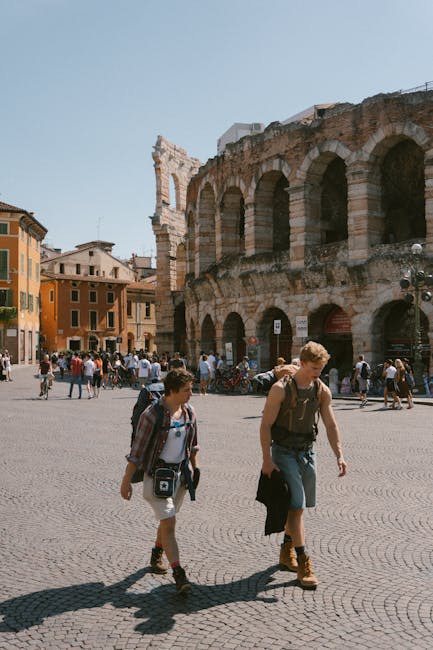
Visiting the Arena di Verona means stepping into a monument that has stood through nearly two thousand years of history and still pulses with cultural life. Located on Piazza Bra, the Arena is not just a remarkably well-preserved Roman amphitheatre; it’s a living space — an open-air museum, a concert venue and one of Verona’s most iconic symbols. The visit blends the raw power of Roman architecture, the finesse of modern conservation work and the stirring emotion of opera nights that draw audiences from around the world.
Contenu de l'article
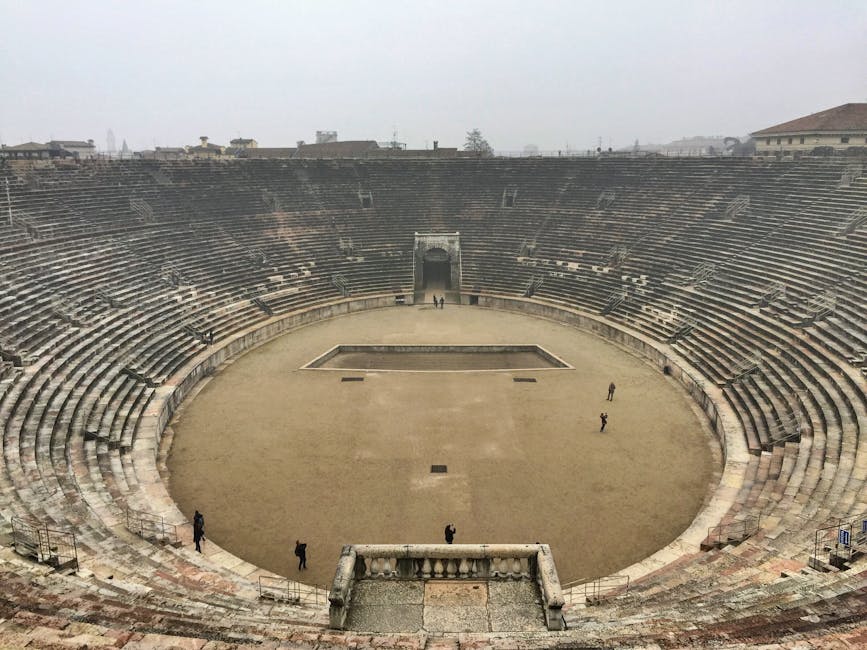
As you walk the travertine steps, you can almost hear echoes of ancient cheers and sense the layers of history stacked atop one another — from Roman entertainment to medieval uses, then later renovation and modern adaptation. Today the Arena di Verona functions as an archaeological site, a museum and an active performance stage. Interpretive routes and information panels explain the timeline of changes, from the 1st-century construction to 19th and 20th-century conservation efforts. Every stone tells part of the story: how the amphitheatre survived earthquakes, was reused as a quarry, and was eventually restored to its cultural role.
There are several ways to experience the Arena: a self-guided stroll around and onto the lower seating, themed guided tours (history, architecture, restoration), multilingual audio guides, and of course the immersive experience of attending an opera beneath the stars. Beyond the main structure, the “Arena museum” includes peripheral routes and temporary exhibitions that place the amphitheatre in Verona’s urban fabric, explaining Roman building techniques, materials used, and current conservation challenges. For curious travelers, the Arena offers a twofold promise: understanding the site’s historical importance while enjoying a spectacle that revives the tradition of assembly and public performance.
This guide gives you a complete tour: history and architecture, how to visit and get to the museum, prices and opening hours, plus practical tips to make the most of your time in Verona. I’ll list exact addresses, euro prices for the main options (visit, audio guide, performances), and local tricks to avoid crowds, pick the best seat for a show and combine your Arena visit with other must-see sights. Whether you love archaeology, opera, or simply want unforgettable images, this walkthrough will help you plan a visit rich in feeling and knowledge.
History and architecture of the Arena di Verona
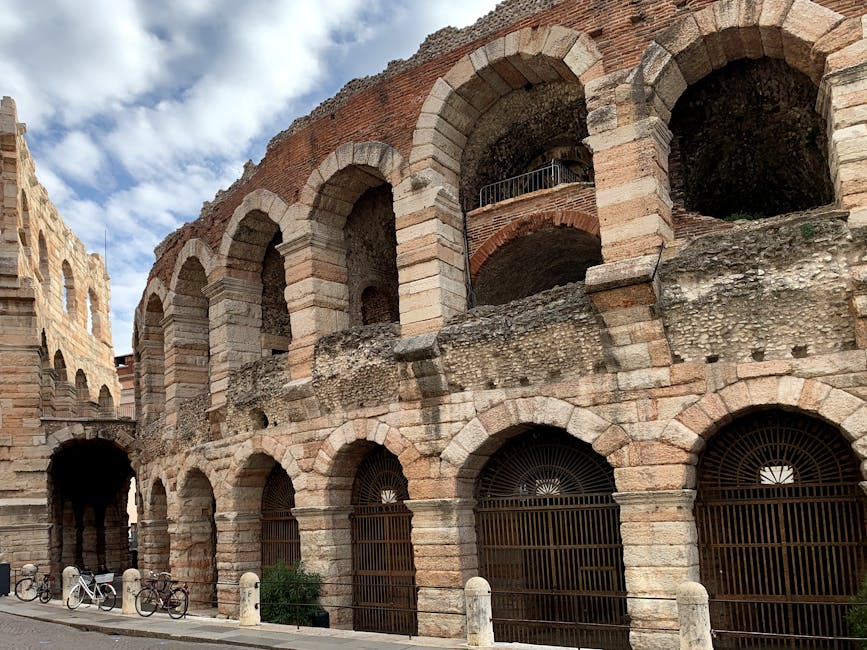
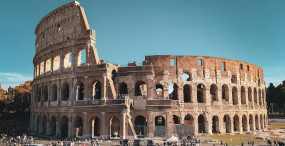
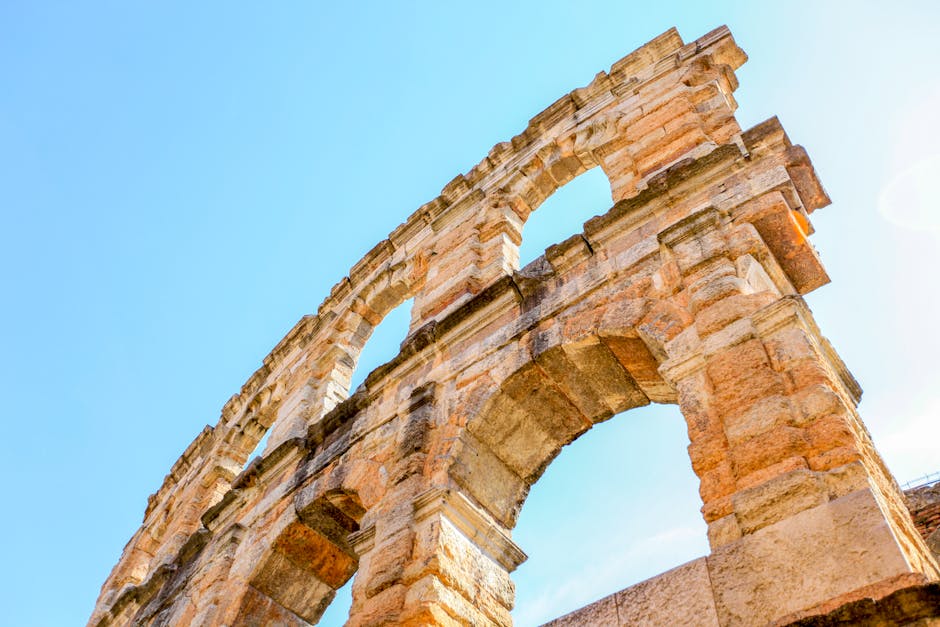
The Arena di Verona (Anfiteatro Arena) was built in the 1st century AD, around 30–30 BC by most estimates, and sits in the heart of Verona on Piazza Bra. Constructed mainly from local limestone and travertine, it demonstrates Roman techniques of assembly that often appear mortarless in much of the original structure. The amphitheatre once held an estimated 20,000 to 30,000 spectators depending on the era — a figure that changed as seating was modified and reused over the centuries.
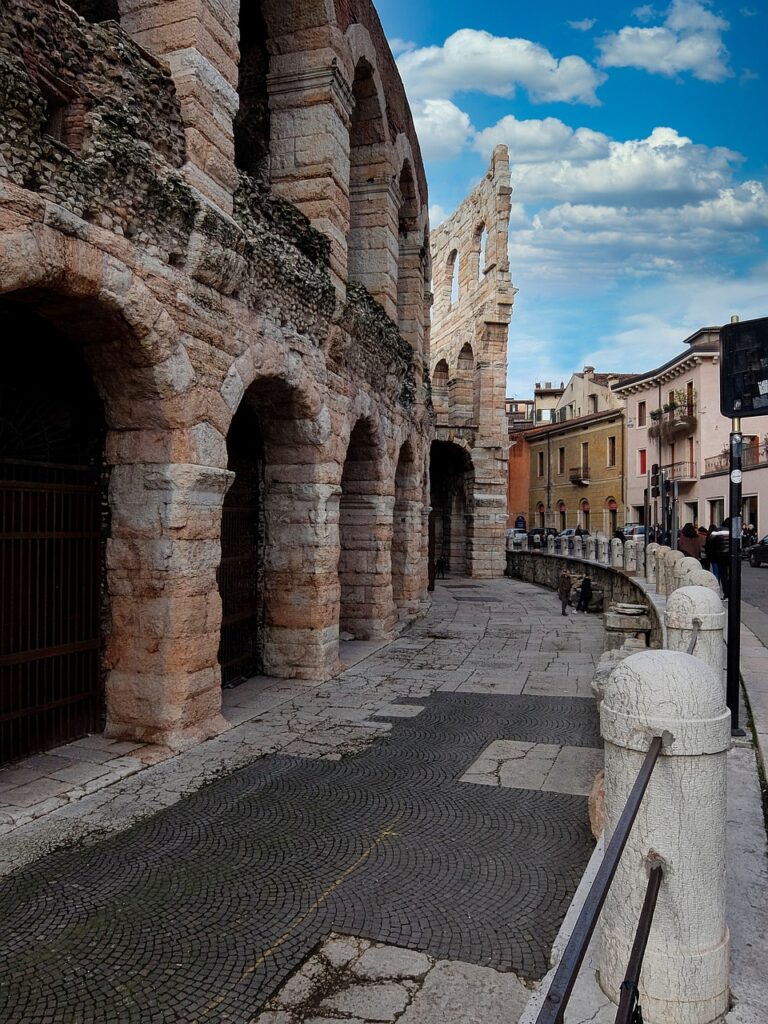
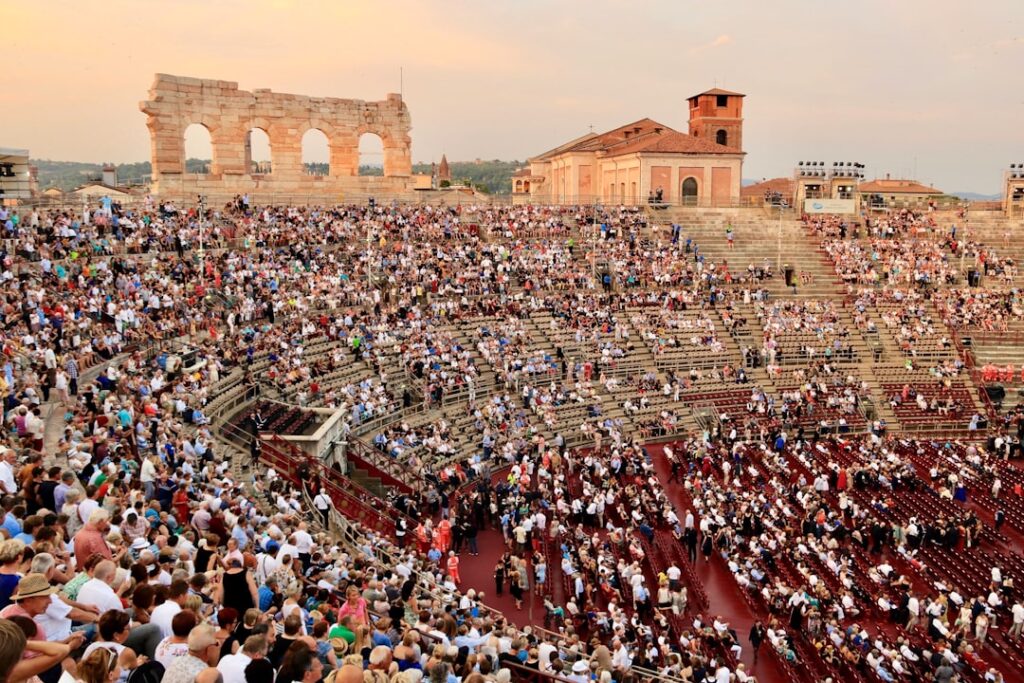
The exterior elevations still show the stacked arches typical of Roman amphitheatres, although the northern façade was partially damaged by an earthquake in the 12th century and later repaired. Inside, the cavea is notable for the preservation of the seating and the arena floor itself, allowing visitors to sense how seats were arranged and how close the audience stood to the action — a key factor in the Arena’s famed acoustics that make it such a celebrated open-air opera venue.
Archaeological analyses and historical studies reveal the Arena’s many lives: a venue for games and fights in Roman times, later used for fortifications and housing in the Middle Ages, and rediscovered as a heritage monument from the 19th century onward. Restorations from about 1830 to the present have aimed to stabilize the structure while preserving as many original elements as possible, and have added technical installations required for modern shows (staging, lighting, secure access).
19th-century scenography — which promoted large-scale open-air opera — transformed the Arena into one of Italy’s most prestigious summer theatres. Historic opera productions, including monumental stagings of Aida and Nabucco, cemented its international reputation. As a museum experience, informational panels around the site and on visitor routes introduce Roman building techniques (pilae, barrel vaults), materials, consolidation phases and highlight original features such as Roman concrete blocks, carved stone elements and inscriptions found during excavations.
 Click here to experience the Arena as it was in the days of the gladiators
Visiting the Arena di Verona: museum, guided tours and performances
There are several ways to visit the Arena. For those wanting to explore the amphitheatre and its surroundings, the “self-guided” option grants access to the cavea and the lower rows. There are also themed guided tours and audio guides that dive into the history, architecture and anecdotes related to the monument. The Museo Arena Verona and nearby temporary exhibition spaces display models, historical photos and explanatory panels that put the structure in context with the city. Temporary exhibitions rotate frequently and are usually announced on the Fondazione Arena di Verona’s official site.
Main options (indicative — always check official sources before you go):
- Arena self-guided ticket: around €10 to €12 for access to the seating and interpretive routes.
- Guided tour: around €15 to €25 depending on length and language (smaller groups or private tours cost more).
- Audio guide: usually an extra €3 to €5.
- Combined ticket with temporary exhibitions: roughly €12 to €18 depending on the offer.
These prices vary by season, discounts (students, seniors, youth) and special events.
To attend a performance, the Stagione Lirica box office offers seats in different categories. Summer show prices can fluctuate widely:
- Bleacher seats (typically unnumbered): starting at about €20–€30 for the cheapest categories.
- Orchestra and boxes: can reach several hundred euros for prime seats on flagship nights, like Aida.
- Subscriptions and promotions: the Fondazione Arena publishes seasonal price grids and tourist packages.
It’s strongly recommended to buy tickets via the Fondazione Arena di Verona’s official site or authorized sellers to avoid inflated resale prices.
Typical opening hours (indicative):
- Visits: generally open daily, with time slots that vary by season — for example, 8:30/9:00 until 18:00/19:30. Hours are extended during the summer opera season.
- Box office: often open from morning until late afternoon; ticket counters for performances may open much later in the evening depending on events.
Remember to check the official site: https://www.arena.it (or the Fondazione Arena page) for up-to-date information and any exceptional closures.
Click here to book your skip-the-line guided tour of the Arena
Click here to buy your opera tickets for the Arena
Practical information: addresses, detailed hours, prices and access
Main address:
- Arena di Verona — Piazza Bra, 1, 37121 Verona VR, Italy.
Other nearby sites and monuments worth combining with your visit:
- Casa di Giulietta (Juliet’s House) — Via Cappello, 23, 37121 Verona VR. Typical hours: 8:30–19:30 (seasonal). Price: ≈ €6–€8. A good stop for a romantic stroll after visiting the Arena.
- Castelvecchio Museum (Museo di Castelvecchio) — Corso Castelvecchio, 2, 37121 Verona VR. Hours: generally 8:30–19:30; Price: ≈ €6–€10.
- Roman Theatre (Teatro Romano) and the archaeological museum — Via S. Pietro in Valle, 8, 37129 Verona VR. Hours and prices vary by season; recommended to complement the ancient-city angle.
Practical ticket prices and tips (indicative):
- Simple Arena visit: €10–€12.
- Guided tour: €15–€25 depending on duration and language.
- Opera performance: €20 up to €300+ depending on category and show.
- Discounts: reduced fares for youth, students, seniors and groups. Infants sometimes enter free under certain conditions.
Verona tourist cards (Verona Card/Welcome Card) sometimes include discounts or priority access to certain museums; check with the tourist office (Ufficio Informazioni e Accoglienza Turistica, Piazza Bra) for seasonal offers.
Access and transport:
- Nearest station: Verona Porta Nuova — Piazza XX Settembre, 1, 37122 Verona VR. From the station take a local bus to Piazza Bra or walk about 15–20 minutes depending on your pace.
- Buses and trams: several lines serve Piazza Bra. Buy tickets in advance at kiosks, tobacco shops or via the official app to avoid fines during inspection.
- By car: paid parking is available around Piazza Bra (Park San Zeno, Park Area Porta Nuova, etc.). Limited traffic zones (ZTL) are active in the historic center — check the signs and use parking to leave your car and explore on foot.
- Taxis: stands near the station and Piazza Bra; local apps and official ranks can help you find a reasonable ride.
Local tips, best practices and experiences not to miss
Best time to visit: for daytime visits, go early in the morning (at opening) or in the late afternoon to avoid heat and crowds, especially in summer. For the most memorable experience, attend an evening opera: the atmosphere, lighting and the Arena’s acoustic qualities create a unique emotional moment. On opera nights, arrive at least 45–60 minutes before curtain to find your seat, enjoy the site at dusk and avoid the crush at exits.
Ticket tips:
- Book opera tickets weeks or even months ahead for peak dates (July–August). Local tourist offices sometimes offer packages that include transport and accommodation.
- For themed guided tours (architecture, acoustics, restoration), choose small weekday tours outside high season.
- If you’re seeking an affordable spot for a performance, watch for last-minute releases or official resale of unclaimed tickets — occasional bargains do appear.
Accessibility and families:
- Accessibility: the Arena has facilities for visitors with reduced mobility, but the ancient seating can limit access to some areas. Check in advance about reserved routes and possible lifts.
- Children: some opera productions are more child-friendly (shorter runtime, intermissions). Families might prefer short, playful site tours or educational workshops when offered.
Recommended nearby experiences:
- Walk along Via Mazzini and Piazza delle Erbe — a 5–10 minute stroll from the Arena, perfect for grabbing a gelato after your visit.
- Climb the Torre dei Lamberti (Piazza delle Erbe) for panoramic views of the city and the Arena — Address: Piazza delle Erbe, 37121 Verona VR. Hours and fees: usually paid access ≈ €8–€10.
- Dine in a traditional Veronese osteria to sample local specialties: risotto all’Amarone, polenta, and seasonal dishes like pastissada de caval (depending on availability and local restaurants).
Safety, climate and preparation
Climate: Verona has hot summers and cold winters. In summer, bring sun protection, a reusable water bottle and a hat. Even in summer, opera nights can cool off after sunset; bring a light jacket. In winter, check for reduced hours and whether scheduled performances are running.
Safety: as in any busy tourist spot, stay alert for pickpockets especially in crowded areas (Piazza Bra, Via Mazzini, Casa di Giulietta). Keep your belongings secure and use bags that close. Emergency services operate normally; keep your accommodation address handy and a charged phone with you.
Conclusion — Why the Arena di Verona deserves your visit
The Arena di Verona is exceptional on many levels: a remarkably preserved ancient monument, a place of historical interpretation and an active stage that has reinvented the open-air spectacle. Its ability to blend past and present, with a high-quality cultural program, makes it a must-see stop on any Verona itinerary. Whether you come for archaeology, opera, or simply to admire an emblematic monument, the Arena offers a range of experiences — educational, emotional and sensory.
Practically speaking, take time to prepare: check official hours and prices on the Fondazione Arena di Verona site, book performance tickets in advance, and pair the visit with nearby sites for full immersion in Verona’s history and urban life. Essential addresses (Piazza Bra, 1, 37121 Verona VR) and transport info (Verona Porta Nuova station, Piazza XX Settembre) will help you plan your routes. Prices listed here are indicative and vary with the season and cultural initiatives.
Finally, a few tips for a successful visit: arrive early to avoid crowds, opt for a guided tour or an audio guide to capture the historical nuances, watch the opera schedule to experience an unforgettable night under the stars, and enjoy the center’s restaurants and alleys to extend the magic after your visit. The Arena di Verona is more than a monument: it’s a living space where history tours the stage, architecture talks to music, and every visitor leaves with a vivid, lasting impression of Verona.