


Introduction — Why Choose a Local Guide to Experience Authentic Verona
Verona is more than just Romeo and Juliet’s city; it’s a patchwork of medieval lanes, Scaliger palaces, family-run grocers and piazzas where Italian life is on full display. Wandering on your own can be delightful, but if you really want to peel back the layers of history, local habits and the hidden gems that don’t always make it into guidebooks, nothing beats a knowledgeable local guide. A true Veronese guide will save you time, steer you clear of tourist traps and, above all, tell the city’s story through its people, artisans and food.
Contenu de l'article
A local guide doesn’t just know the headline sights — like the Arena di Verona, Casa di Giulietta or the Basilica di San Zeno Maggiore — they also know where to get the best polenta con salsiccia, which artisan deli still makes authentic risotto all’Amarone, and when neighborhood markets turn into stages of daily life. They’ll lead you down quieter alleys, introduce you to workshops where iron, glass or marble are crafted, and explain the historical episodes that shaped the city, from Roman times to the rule of the Scaligeri lords.
Beyond stories and food tips, a local guide delivers another major perk: access. Many small museums, historic cafés and private homes offer special visits when a recognized guide arranges them. That means more intimate encounters, the chance to ask questions in real time, and often entry to places closed to the general public. Finally, a guide helps you read the city: how to tell a 15th-century building from an 18th-century one, how to decode the coats of arms on a palazzo, and how to navigate using the traditional landmarks locals still use.
This practical guide you’re holding is designed to help you choose, prepare and make the most of a guided visit to Verona that focuses on authenticity. We outline routes, give specific names and addresses, indicative prices, opening hours and concrete local tips — everything you need to plan your trip and hire the right person or agency. Follow along: you’ll learn when to book, how to communicate with your guide (in Italian, English or French), and how to extend the experience by exploring off the beaten path.
Encounters and Routes with a Local Guide: Arena di Verona, Piazza Bra and the Living Arena
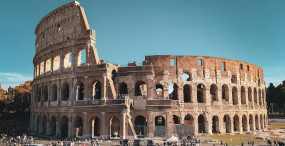
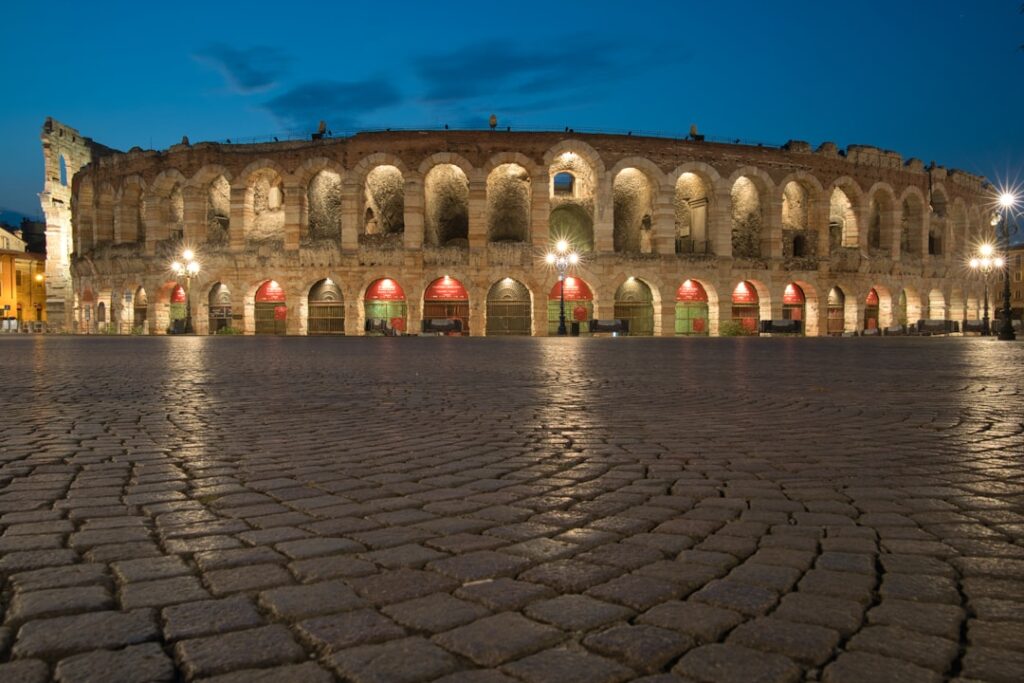
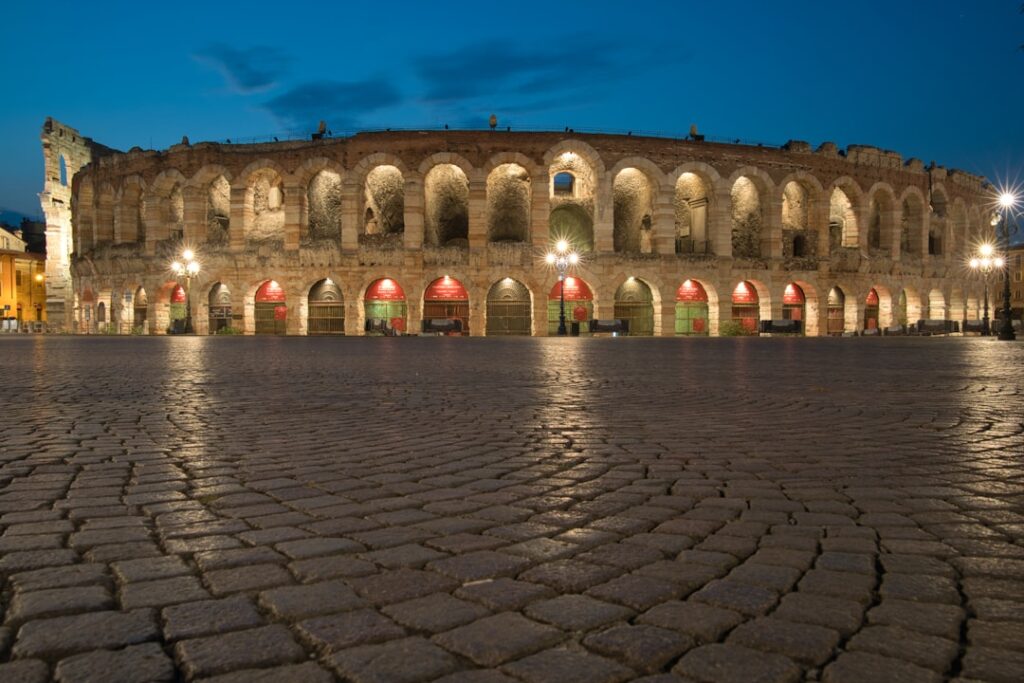
The Arena di Verona (Piazza Bra, 1, 37121 Verona) is often the starting point for tours. This remarkably well-preserved Roman monument hosts open-air concerts and operas, but with an experienced guide it also reveals architectural and sociocultural details that the untrained eye misses. Official guided tours of the monument typically run from 08:30 to 19:30 depending on the season; the Museo dell’Arena (the museum and historical route) follows similar hours. Indicative price: full ticket around €12, reduced €9 (students and seniors). On opera nights ticket prices vary widely — from about €20 for the upper stands up to several hundred euros for private boxes.
A local guide will explain the material layers, early 20th-century restoration phases and share anecdotes about the legendary opera productions staged there. They’ll also point out the best spots to enjoy a performance, how to buy official tickets (official websites and on-site ticket offices), and how to take a pleasant stroll across Piazza Bra before the show. Photographers will appreciate the guide’s advice on timing — the golden hour just before sunset yields spectacular shots of the arena’s ochre façade.
 Click here to book your arena guided tour ticket
Practical tips: book your tickets at least 2 weeks in advance during high season (June–September). If you want an in-depth private tour, expect roughly €60–€120 for 1 to 2 hours with a licensed local guide (price varies by language and expertise). Arrive 30 minutes early to visit Piazza Bra and historic cafés like Caffè Aurora (Piazza Bra, 28) before the crowds arrive. And wear comfortable shoes: the stands and surrounding Roman areas are often uneven.
Hidden Quarters and Legends: Casa di Giulietta, Piazza delle Erbe and Torre dei Lamberti
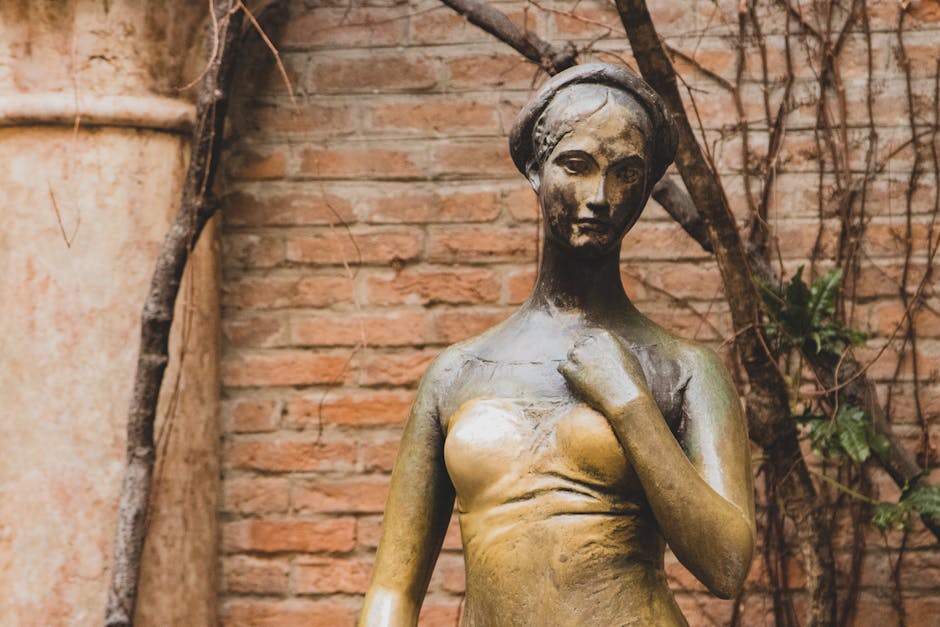
Casa di Giulietta (Via Cappello, 23, 37121 Verona) is almost a must-see. Entry to the small museum costs about €6–€8 depending on the season; access to the courtyard and the famous balcony remains free but can be very crowded. Opening hours are generally 08:30 to 19:30, but it’s best to check the official site beforehand as special events can change schedules. A local guide will tell you the real story — often very different from the Hollywood romance — explaining the Capuleti family context and how the myth evolved over the centuries.
Click here to book your skip-the-line ticket for Juliet’s House
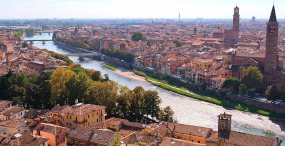
A guided walk through Piazza delle Erbe (Piazza delle Erbe, 37121 Verona) shows a completely different side: commerce, markets and historic counters. At dawn, stalls of fruit, cheese and local specialties set up shop; the square is framed by Palazzo Maffei, the Torre dei Lamberti (Piazza delle Erbe, 2, 37121 Verona) and countless cafés. Climbing Torre dei Lamberti costs about €8–€10 for panoramic access (approximate hours 10:00–18:00, extended to 21:00 in summer). From the top, your guide will point out tiled rooftops, bell towers and the lines of Via Quattro Spade leading down to the Adige banks.
Practical tips: Casa di Giulietta gets extremely busy between 11:00 and 16:00; aim for early morning or late afternoon. If you want to write a letter to “Juliet,” there’s a dedicated mailbox in the courtyard; a guide can also help you skip the lines by suggesting the best entry times. For Torre dei Lamberti, consider combined tickets (when available) to avoid queuing and save time. And ask your guide to take you to a neighborhood alimentari (grocery) to taste salame di Verona and local cheese — a sensory highlight that brings the visit to life.
Museums, Riverbanks and Food: Castelvecchio, Ponte Pietra and Local Markets
The Museo di Castelvecchio (Corso Castelvecchio, 2, 37121 Verona) is an outstanding example of how history and art respond to each other. Hours: usually 10:00–18:00 (with some late closings on selected evenings), full price around €6–€10, reduced €4–€7. With a local guide you’ll grasp the strategic importance of this medieval castle, the restorations by Carlo Scarpa in the 20th century, and the collection of paintings and arms that tell Verona’s military and civic story. Guides can arrange themed tours: military history, medieval art or Scaliger architecture.
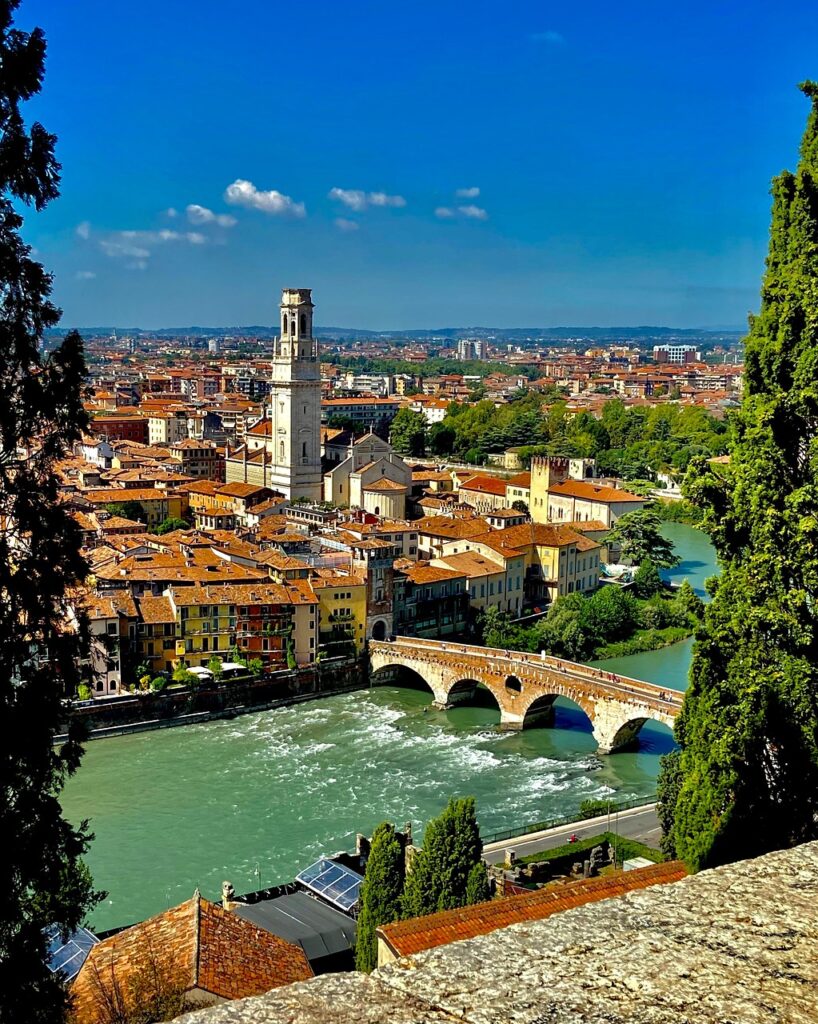
A short walk away is Ponte Pietra (Piazza Pietro Scaligero, 37121 Verona), a stone bridge of Roman origin rebuilt after World War II. It offers splendid views over the Adige and is a must for sunrise photography. A local guide will recount the reconstruction episodes, archaeological finds and recommend the best angles and the quietest times to enjoy the river’s calm.
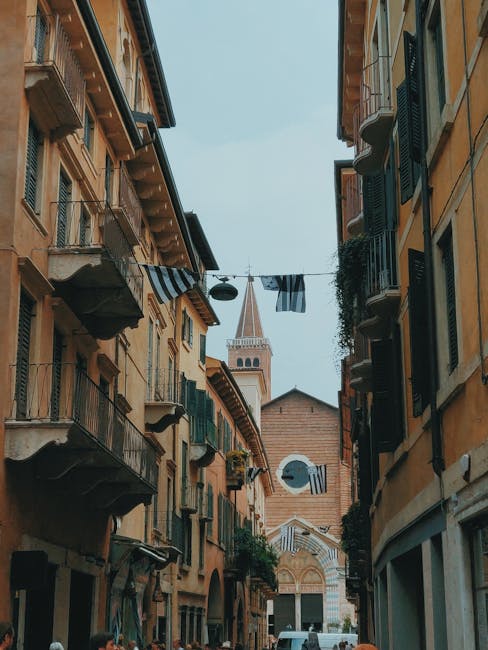
The true flavor of Verona also comes alive at markets: the Mercato di Piazza San Zeno (Piazza San Zeno, 37123 Verona) on Saturday mornings and the stalls around Porta Borsari showcase seasonal produce. San Zeno Basilica (Piazza San Zeno, 2, 37123 Verona) is usually open from 07:00 to 12:00 and then 15:00 to 19:00; entry to the church is free, but the museum and treasury may charge about €3–€5. A local guide will explain architectural details — the Romanesque façade, the cloister and the patron saint’s legend — and will steer you to the best osterie and trattorie to try piatti tipici like risotto all’Amarone or pastissada de caval.
Click here to join an art-restoration workshop in Verona
Practical tips: buy take-away specialties at everyday alimentari and ask your guide for recommendations on family-run osterie where the menu changes with the market. Market tours are best early in the morning (07:00–10:30); that’s when you’ll see locals doing their shopping. For Museo di Castelvecchio, consider booking a 1.5-hour guided visit that includes the restoration workshop if you’re interested in artwork conservation.
How to Choose and Book the Right Guide: Practical Advice and Useful Contacts
Choosing the right guide in Verona depends on several factors: certification, language, specialization and the type of experience you want (private, small-group, thematic). Official Italian guides often hold a license (abbinata alla Regione Veneto) — don’t hesitate to ask for their license number and check online reviews. For a standard 2-hour private tour, expect to pay on average between €50 and €120 for a private guide (rate for the group, regardless of morally reasonable number of participants), while shared group tours typically cost €15–€30 per person.
To book:
- Recommended local offices: Verona Turismo (Ufficio Informazioni, Piazza Bra 1), Verify opening times on arrival.
- Online platforms: use reputable booking sites and read recent reviews. Look for guides offering customizable itineraries.
- Direct contact: ask for references, a detailed program, and if possible a written itinerary and a fixed price that includes any monument entrance fees.
Practical tips for the day:
- Budget €10–€15 per person for small incidentals (toilets, coffee, occasional reduced tickets).
- Tipping isn’t mandatory but is appreciated: 5–10% for good private service is common.
- Dress for the season: hot dry summers, changeable spring and autumn, cool winters. Comfortable shoes are essential.
- Always ask the guide for recommendations to lunch in a family-run osteria — many offer daily menus (primo + secondo) around €12–€18.
For a truly immersive experience, request a themed tour: food, Roman archaeology, Scaliger architecture or sunrise photography. Many local guides also run workshops (cooking classes, Amarone and Valpolicella wine tastings) — prices vary, often between €40 and €120 per person depending on duration and inclusions.
Click here to book a pasta and tiramisu cooking class
Click here to taste Amarone on a half-day trip
Conclusion — Turning a Visit into a Memorable Experience
Seeing Verona with a local guide isn’t just about ticking off attractions on a travel checklist: it’s about connecting with a community, understanding the stories that give the city its pulse, and tasting recipes passed down through families. A great guide offers windows of access: a half-open door in a palazzo, a reserved table at a trattoria known only by word of mouth, or the perfect hour to photograph a Roman bridge bathed in morning light. These moments, which no brochure can fully recreate, are what make your trip come alive.
Planning matters: book ahead for popular sites like the Arena di Verona, choose early time slots for markets, and favor guides with an official license to ensure quality and historical accuracy. Good guides also adapt the tour to the group’s pace, include coffee breaks and suggest alternative options in case of rain or unexpected closures. And don’t forget to keep exploring after the guided tour: seek out less touristy neighborhoods, small wine bars (enoteche) and traditional pastry shops where Veronese people enjoy an afternoon coffee.
Click here to book a walking tour with a local guide
In short, if you want to discover authentic Verona, invest in a competent local guide: they’ll not only show you must-see sites (Arena di Verona, Casa di Giulietta, Ponte Pietra, Basilica di San Zeno, Museo di Castelvecchio, Torre dei Lamberti, Piazza delle Erbe), but also open the doors to a slower, richer, deeply human experience. Take your time, listen to the stories, taste the recommended dishes and let the city speak through those who know it best — its residents and its guides. Buon viaggio e buona scoperta!