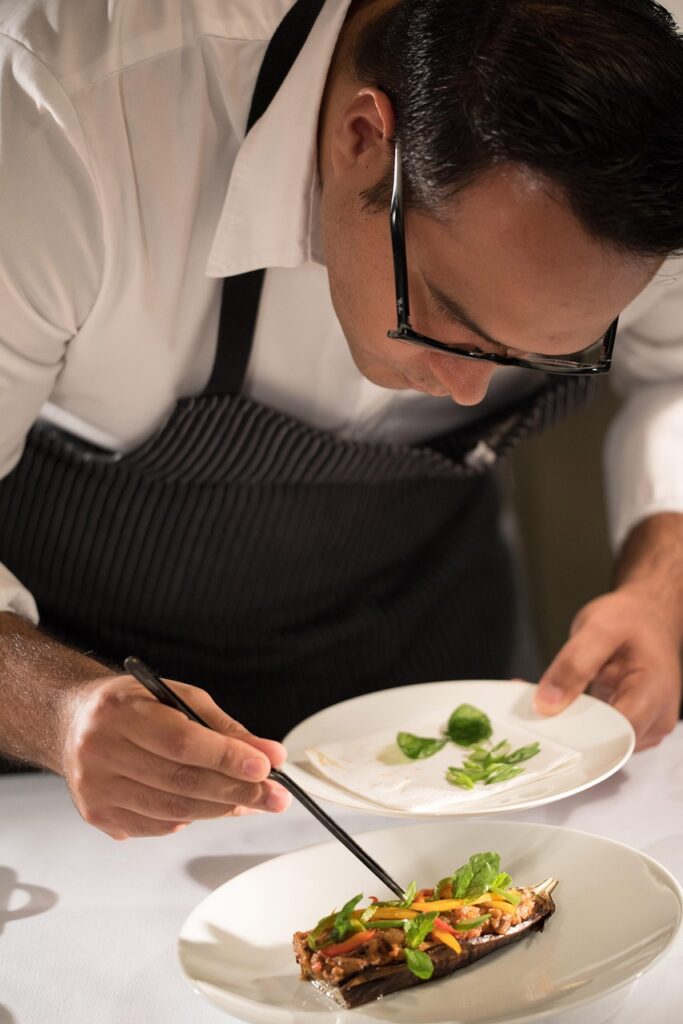



Introduction: Modern Venetian cuisine in Verona — where tradition meets daring
Verona, the city of timeless romance, seduces not just with its medieval alleyways, cobbled squares and the famous Arena di Verona; it also boasts a vibrant culinary scene where modern Venetian cuisine is being reimagined on the plate. Straddling land and sea, Veneto is rich in ingredients — late-harvest radicchio from Treviso, baccalà, polenta, lagoon rice, Valpolicella wines and Prosecco — and this terroir inspires a new generation of Verona chefs who demonstrate how to modernize classics without betraying them. Their approach is as much about flavor as it is about sustainability, seasonality and strong ties to local producers.
Contenu de l'article
Strolling through Verona in search of contemporary tables, you’ll find restaurants that converse with history: open kitchens overlooking carefully restored dining rooms, tasting menus built around a single Venetian ingredient, and bistros giving a voice to the local farmer. The city’s innovative chefs — some trained in Michelin kitchens, others rooted in family tradition — adopt modern techniques (sous-vide cooking, controlled fermentation, reduced added sugars) to elevate simple ingredients like lagoon whiting, Polesine butter or the delicate olive oils of Garda.
Modernity here doesn’t mean abstraction. In Verona it often translates into balance, clarity and storytelling across multiple courses. Menus become narratives where polenta takes on new textures, risotto is scented with forgotten herbs, and dessert might pair grappa with local citrus. The standout spots sit both in the hyper-historic center — around Piazza delle Erbe and the Arena — and in quieter neighborhoods by the Adige or in the Valpolicella hills, where the connection between vine and plate is evident in every bite.
In the sections that follow, I offer a detailed, immersive panorama of the main players and places shaping modern Venetian cuisine in Verona: the chefs and their philosophies, must-visit restaurants with addresses, hours and price ranges, markets and producers to know, plus practical tips to get the most out of each meal — from wine service to peak times. Get ready to jot down addresses, book tables and, above all, open your palate to a cuisine that’s both faithful to its terroir and unexpectedly contemporary.
 Click here to join a cooking class with dinner and wine

Standout chefs and culinary philosophies
Verona’s modern culinary scene rests on talents who represent diverse approaches: reverence for tradition, technical innovation, celebration of local produce and sensory experimentation. Some names stand out for their ability to thread age-old Venetian cuisine into contemporary methods. These chefs are more than cooks — they’re gastronomic storytellers working with teams to turn raw ingredients into an experience.
A recurring theme among them is a focus on the producer. They often favor short supply chains: vegetables from the Colli Euganei, sea salt from the Venetian lagoon, Adige eel, cured meats from Montagnana. Their philosophy can be summed up like this: preserve the product’s soul while letting it « bloom » through the right technique. For example, a chef might pair grilled late-harvest Treviso radicchio with a light smoked mascarpone emulsion, marrying traditional bitterness with a modern airy texture. Sous-vide is used to achieve perfect tenderness for local fish, while controlled fermentation brings new aromatic depth to condiments that refresh classic sauces.
Seasonality is also central. In winter, menus highlight polenta taragna, porcini mushrooms and baccalà mantecato; in spring, wild herbs and asparagus take center stage; in summer, the freshness of tomatoes from Poo is reworked into tartare or aromatic jellies. Some restaurants offer tasting menus that shift weekly to mirror arrivals, while others keep “revisited classics” that reinforce a steady identity — like a reimagined risotto all’Amarone where the wine is reduced with a refined technique to capture subtler notes.
Finally, the guest experience is designed as a whole: discreet, mobile service, tailored food-and-wine pairings (with a focus on Valpolicella, Soave and Colli Euganei wines), and small theatrical touches such as presenting a whole ingredient before transforming it. These chef-directors invite diners to understand where things come from: they might name the producer (for example, market gardener Matteo from San Pietro in Cariano) or pair a tasting with a vertical flight from a producer like Masi or Tommasi to illustrate the terroir/plate connection.
Click here to book a Valpolicella vineyard tour

Must-visit restaurants: addresses, hours and prices
Verona’s dining map includes several places where modern Venetian cooking takes center stage. Below is an immersive selection with exact addresses, typical opening hours and price ranges to help plan your meals.
- Casa Perbellini — Piazza San Zeno, 14, 37123 Verona VR, Italy. Hours: Tuesday–Sunday 12:30–14:30, 19:30–22:30 (closed Monday). Prices: tasting menus from €75 per person, a la carte dishes €18–38. Description: the chef’s table reinterpreting Venetian classics with a modern touch; attentive service and a cellar focused on local wines.
- Antica Bottega del Vino — Via Pellicciai, 10, 37121 Verona VR, Italy. Hours: daily 11:00–24:00. Prices: starters €8–16, mains €16–34, wine tastings a la carte (glasses from €4). Description: a Veronese institution with an exceptional wine selection; cuisine combining local cured meats and reinvented antipasti.
- Osteria Le Vecete — Via Pellicciai, 21, 37121 Verona VR, Italy. Hours: Tuesday–Sunday 12:00–14:30, 19:00–22:30 (closed Monday). Prices: mains €12–28, tasting menu €45–60. Description: food rooted in tradition, modernized by current techniques; popular with locals looking for a convivial, creative table.
- Ristorante 12 Apostoli — Via Sottoriva, 7, 37121 Verona VR, Italy. Hours: daily 12:00–15:00, 19:00–23:00. Prices: tasting menu €60–95, a la carte mains €20–40. Description: refined cooking in a historic setting, chefs working with sauces and lagoon fish with modern techniques while honoring tradition.
- Enoteca Cangrande — Via Dietro Listone, 12, 37121 Verona VR, Italy. Hours: Monday–Saturday 11:00–23:00, Sunday 12:00–18:00. Prices: charcuterie boards €10–18, mains €14–30, wines by the glass €4–10. Description: a meeting place for sommeliers and chefs, ideal for food-and-wine pairings around typical Venetian products.


Practical tips for these restaurants: book at least 3–7 days ahead, especially in high season (May–September) or around Arena events. Always disclose allergies when reserving — Veronese chefs prefer to adapt rather than decline. Most accept cards, but bring some cash if you plan to buy a rare bottle at the bar. Finally, opt for the tasting menu if you want a broad view of a chef’s philosophy — it’s often the best way to experience modern Venetian cuisine in practice.
Click here to book a walking tour with meal and wine tasting
Markets, local producers and essential ingredients
Understanding modern Venetian cuisine in Verona also means knowing where its ingredients come from. The region’s markets and producers are essential stops for anyone who wants to dive deeper into the terroir. Below are the main spots to visit in and around Verona, plus products to hunt for and practical buying tips.
The Piazza delle Erbe Market (Piazza delle Erbe, 37121 Verona VR) is the bustling heart where vegetable stalls, cheesemongers and fishmongers mingle. Hours: daily 7:00–14:00, with some stalls staying open in the afternoon. Featured items: seasonal Treviso radicchio, dried porcini, mountain cheeses and wild herbs. Tips: arrive early (8:00–9:30) for the best picks, negotiate prices for bulk buys and always ask about origin — local vendors love to share preparation tips.
Click here to explore the old market and make fresh pasta

For fish, the proximity to the Venetian lagoon shows up at some Verona fishmongers who work with early-morning arrivals. You can also contact coastal suppliers (Chioggia) for items like whiting, salted cod (baccalà) or eel. Veronese chefs prize baccalà mantecato but often pair it with modern textures (espumas, savory gels) to lighten the dish.
The Valpolicella hills (towns like Negrar, San Pietro in Cariano) offer vine-related products: grapes for desserts, tannic red wines for cooking and a strong bond between winemaking and cuisine. Visit small producers (family-run wineries that welcome visits) to understand how Amarone and Valpolicella are integrated into chefs’ sauces and reductions. Visiting hours: usually by appointment, 9:00–12:00 and 15:00–19:00. Tasting-tour prices: €15–40 per person depending on the estate.
Click here to book a vineyard tour and tasting

Finally, for herbs and oils, the shores of Lake Garda (near Bardolino and Garda) are famed for delicate olive oils. Many Verona chefs source their oils from local mills; a bottle of Garda extra-virgin olive oil typically sells for €8–25 depending on quality and harvest. Local tip: buy oil and condiments directly from the mill — you can often taste samples and choose the nuance that will best match your dishes.
Practical tips for tasting Venetian food in Verona
To make the most of modern Venetian cuisine during your stay in Verona, here are practical tips drawn from local experience and the habits of top chefs and sommeliers.
1) Reservations and timing: book your table in the morning for the same evening or several days ahead for popular venues. Recommended dinner times: start from 20:00 to enjoy a relaxed service. In summer, try the later slot (around 21:30–22:00) for a livelier atmosphere.
2) Food-and-wine pairing: always ask for the sommelier’s pairing suggestions. The region offers outstanding wines — Amarone della Valpolicella, Valpolicella Classico, Soave, Lugana — and these are designed to accompany local dishes. Budget: a good glass typically costs €5–12; a quality regional bottle €25–60.
3) Lunches and light meals: to explore the city between visits (Arena di Verona, Casa di Giulietta, Castelvecchio), favor osterie for a quick lunch: antipasti €6–12, pasta or risotto €12–18. Note opening hours: many places close between 15:00 and 19:30.
4) Embrace short supply chains: if a dish highlights a specific producer (for example, “market gardener Matteo from San Pietro”), don’t hesitate to ask how it was grown; chefs love sharing these stories and can adapt a dish if you have preferences or restrictions.
5) Budget and pricing: for a full gourmet meal (tasting menu + wines), expect €100–180 per person at starred or highly reputed restaurants. For an excellent local experience at an osteria or enoteca, budget €30–60 per person.
6) For modern-cuisine enthusiasts, ask about chef’s-table options or the chance to speak with the chef. Some places offer kitchen visits or workshops lasting 1–3 hours (prices €40–120): a perfect opportunity to learn techniques and leave with recipes and tips.
Click here to take a pasta, tiramisu and Italian dishes class

Conclusion
Modern Venetian cuisine in Verona is a sensory journey where each dish speaks of a dialogue between memory and innovation. Verona’s chefs take Veneto’s culinary inheritance — polenta, baccalà, risotto and cured meats — and transform it with contemporary techniques, ecological awareness and deep respect for the ingredient. Eating through Verona means tasting a geography (lagoon, hills, plains) and discovering a city that skillfully marries tradition and modernity without losing its identity.
To prepare your gastronomic trip, remember the addresses mentioned, book ahead, take time to explore markets like Piazza delle Erbe and meet producers in the Valpolicella hills and along Lake Garda. Don’t hesitate to choose tasting menus if you want a comprehensive read of a chef’s creativity; also favor the sommelier’s pairings for a harmonious experience. And leave room for the unexpected: a little bistro found around a corner, a bottle recommended by a shopkeeper, or a chance meeting with a producer can turn a meal into an unforgettable memory.
Whether you’re a seasoned foodie, a curious amateur or a traveler eager to explore local flavors, Verona offers a modern culinary scene that’s rich and accessible. Between historic venues and contemporary tables, modern Venetian cuisine invites you to rediscover the region through its products, techniques and, above all, the hospitality of its chefs. Have a great culinary journey in Verona — and buon appetito!
Click here to join a culinary and wine tour