


Introduction: Night Markets and Local Producers in Verona
Verona isn’t just the backdrop for Romeo and Juliet’s love story; it’s a living city where history meets food, where medieval alleys hide artisan workshops and stalls that take on a special vibe as the sun goes down. While visitors flock to the city for its landmarks — the Arena di Verona, Juliet’s House, Ponte Pietra — Verona also charms with a vibrant local food scene often revealed late into the evening: night markets, seasonal fairs, aperitifs at tiny osterie, and producers who sell their goods directly to locals and travelers. Night markets give you an authentic taste of the region: aged cheeses, cured meats, lagoon fish and oysters, Valpolicella and Amarone wines, heirloom vegetables, hill honey and wood-fired sourdough loaves.
Contenu de l'article
This article dives into Verona’s night market world and the local producers shaping its flavors. You’ll find exact addresses, typical hours (with tips to double-check dates), realistic price ranges, plus vivid, sensory descriptions to prep you for evening strolls. Whether you’re a wine lover, spice seeker, night photographer or just curious, we cover where to go, what to taste and how to approach producers to bring home exceptional products.
A special feature of Venetian and Veronese night markets is how close producers are: the areas around Verona — Valpolicella, Lessinia, Lake Garda — are full of small family businesses. Many set up stalls at occasional downtown events (especially between May and September) or in nearby towns. These markets are meeting places where people talk production, seasonality, aging methods and food-and-wine pairings, often around an impromptu tasting. You’ll learn how to spot a good producer here: traceability, clear labeling, openness to visits and tastings at the farm.
Finally, the guide gives practical tips to enjoy night markets: how to get around Verona after dark (pedestrian zones, recommended parking), which payment methods to favor (many small producers still prefer cash), and how to store or transport purchases — from fresh cheese to aging wines. Get ready to wander under historic lamp posts, breathe in the scent of warm bread, and rehash the world over a glass of Valpolicella Classico in a city where every corner has a story.
The Must-See Night Markets in Verona: Locations, Times and Vibes
Verona doesn’t have a single year-round night market, but a number of recurring evening events and seasonal markets animate the city, mainly from April to October. Here’s a selection of the most visible and popular gatherings, with addresses, typical hours and a sensory description of each atmosphere.
Piazza delle Erbe – Night Market (Piazza delle Erbe, 37121 Verona)
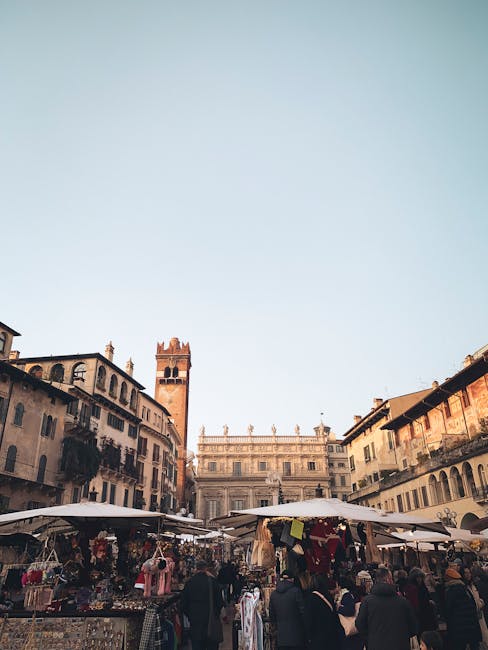
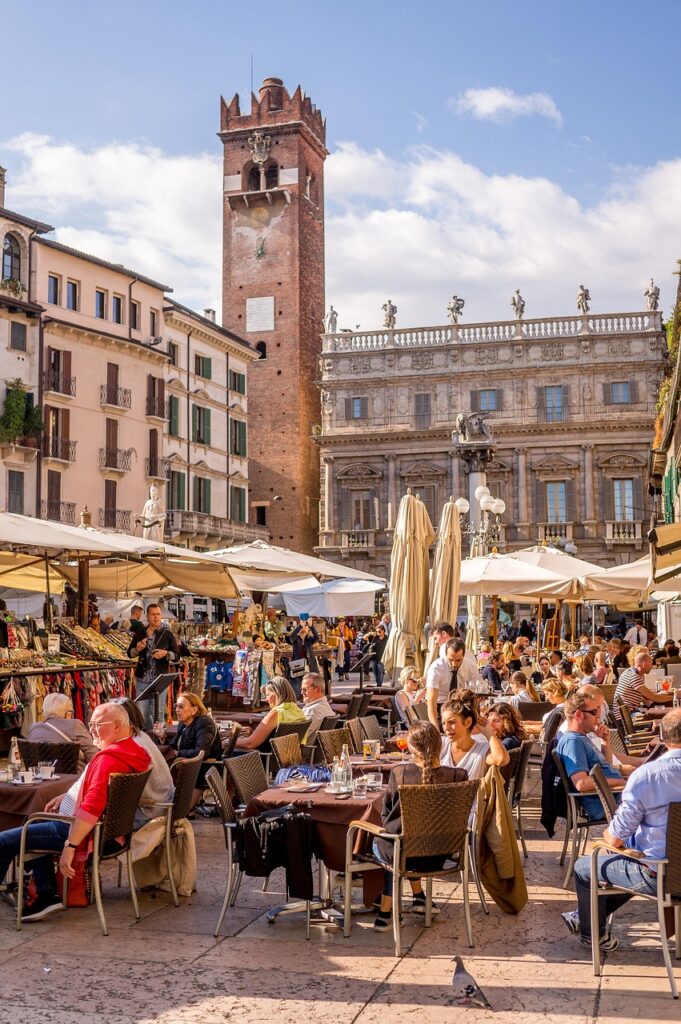
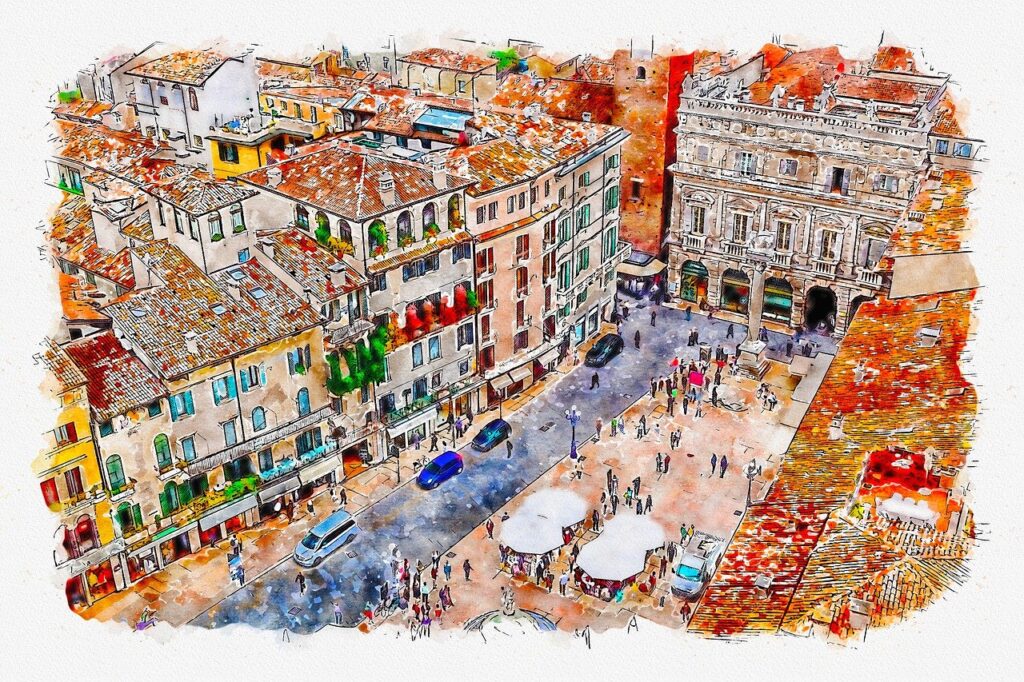
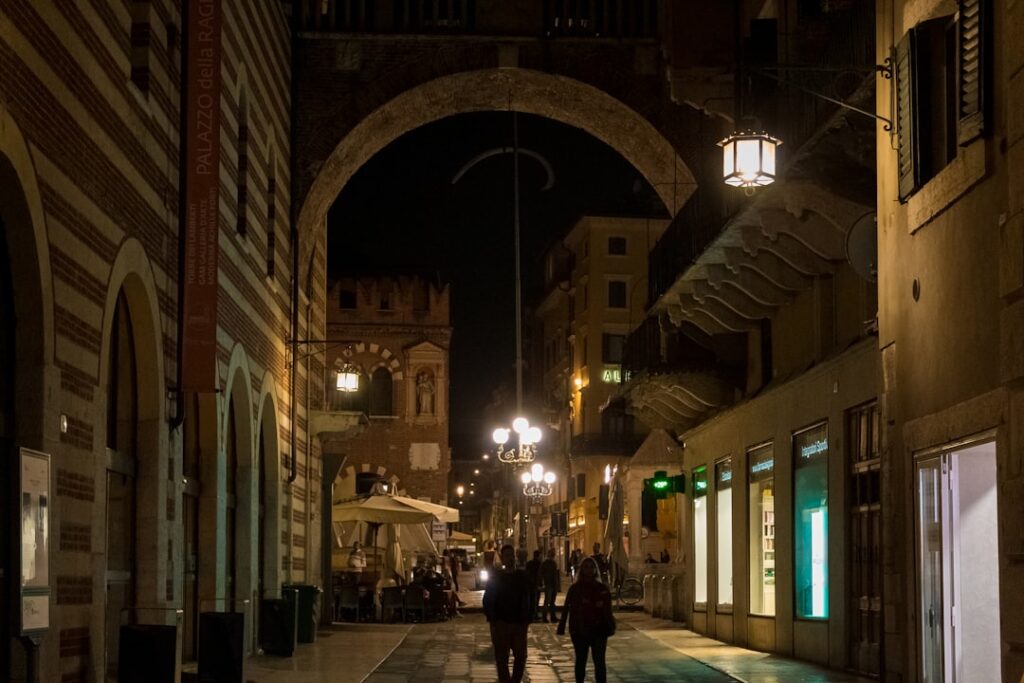
The liveliest square in Verona often plays host to evening food or artisan markets, usually on summer Fridays or during municipal festivities. Typical hours: 6:00 PM–11:30 PM. Free entry. Stalls feature small local producers selling cheeses, jams, regional olive oils and cured meats. Atmosphere: warm glow from historic street lamps, distant café chatter, standing tastings around barrel tables.
 Click here to discover the old market and make fresh pasta
Piazza Bra – Food Fairs (Piazza Bra, 37121 Verona)
Just steps from the Arena, Piazza Bra hosts evening fairs sometimes dedicated to regional specialties or organic producers’ markets. Hours: occasional events 5:00 PM–midnight. Prices: usually free entry; tastings 2–8 € per portion depending on the product. You’ll also often find food trucks offering street-food with a local twist.
Lungo Adige (Adige riverbanks) – Artisan and Night Markets
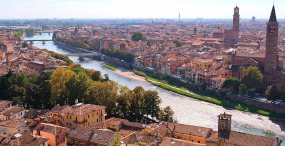
Along the banks of the Adige, seasonal night markets take over the quays, offering a calmer stroll away from the main squares. Hours: 6:30 PM–11:00 PM. Products: crafts, textiles, and local food stalls (honey, wines, traditional biscuits).
Piazza San Zeno – Village-Style Evening Events (Piazza San Zeno, 37123 Verona)
Near the Basilica di San Zeno Maggiore, neighborhood markets and festive evening events happen on some summer Saturdays. Hours: 6:00 PM–11:30 PM. Ideal if you want to combine a monument visit (Basilica San Zeno, Piazza San Zeno, 37123 Verona) with tasting local products in a more down-to-earth, family-friendly atmosphere.
General practical tips for these markets:
– Payments: bring cash (5–50 €); many small stalls also accept cards but sometimes with a minimum.
– Transport: get to the historic center by tram/bus (ACTV/ATV services) or on foot from the station (Verona Porta Nuova). Parking in the historic center is paid and limited at night.
– Food safety: favor stalls where products are labeled and the producer is present — that’s often a sign of traceability and quality.
Local Producers You Should Know: Wine, Cheese, Charcuterie and Honey
The Verona area is surrounded by famous terroirs: Valpolicella for wines, Lessinia for mountain cheeses, the Veronese plain for cereals and vegetables, and the hills around Illasi and Soave for elegant white wines. Below are a few representative producers and places with addresses, possible visits, and buying tips.
Azienda Agricola Allegrini (Via Erbe 1, 37022 Fumane, VR)
Allegrini is a renowned Valpolicella house located in Fumane, about 20–25 minutes from Verona by car. Tasting tours: by reservation, usually 9:30 AM–5:30 PM on weekdays. Tasting prices: 15–40 € depending on the package (from a simple tasting to an Amarone vertical). Products: Amarone della Valpolicella, Valpolicella Classico, age-worthy wines. Tips: book in advance and ask to see the vineyards and aging cellars.
Click here to book a vineyard visit and tasting in Valpolicella
Caseificio della Lessinia (typical cooperative – Località Lessinia, Province of Verona)
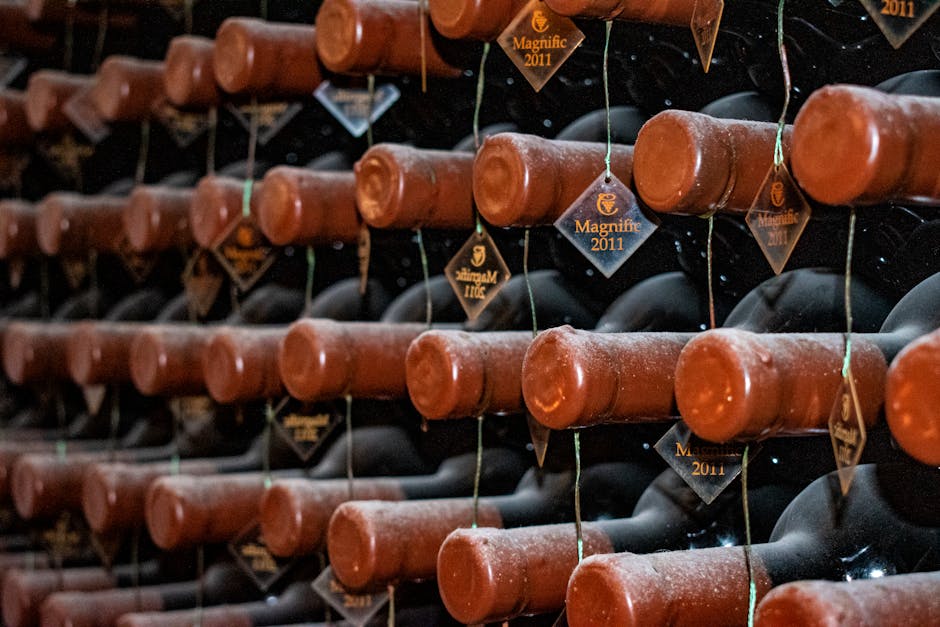
Lessinia is famous for its whey-aged cheeses, like « Formaggio della Lessinia », and raw-milk products. Local cooperatives run shops and often attend producers’ markets. Indicative prices: 10–25 € per kilo for artisanal aged cheeses, 4–8 € per kilo for young cheeses. Shop hours on site: often 9:00 AM–1:00 PM and 4:00 PM–7:00 PM; in the evening they appear at night markets.
Local Butcheries & Delis — Artisanal Cured Meats
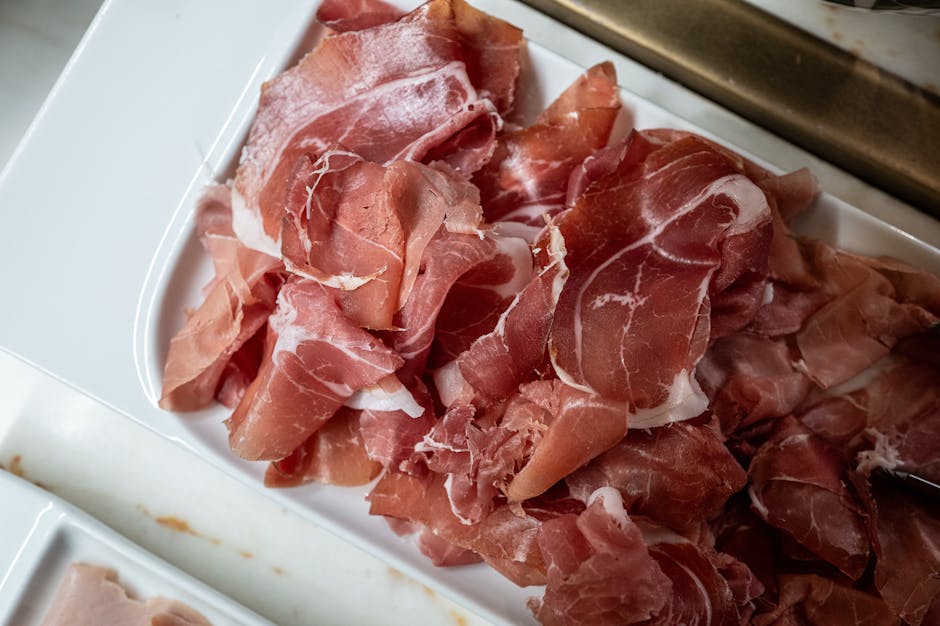
At night markets, look for producers selling salame veronese, prosciutto crudo and coppa. Serious stalls display the origin of the pigs and the aging methods. Prices: tasting slices 2–6 € per portion; 15–30 € per kilo for high-quality products.
Beekeepers from the province
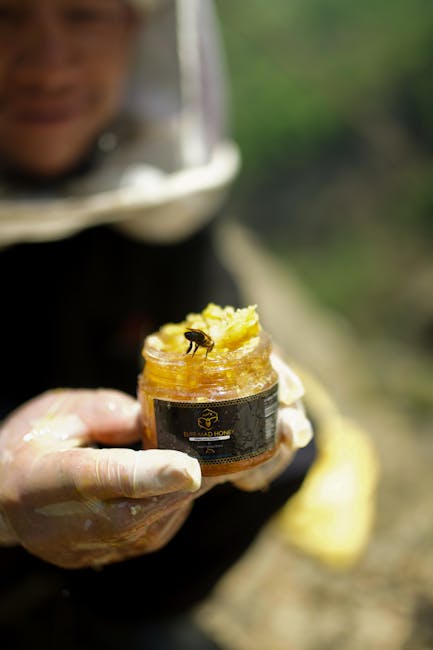
Hill honeys (wildflower, acacia, millefiori) are must-buys at the markets. A typical local producer might be Azienda Apistica La Collina, Via Colli 12, 37010 (nearby town) — they usually attend night markets between May and September. Prices: 6–12 € per jar (250–500 g) depending on rarity.
Buying tips:
– Ask for the production date and origin. A local honey will often display a regional designation.
– For cheese and charcuterie, check for vacuum packaging if you have a long trip ahead.
– If you buy wine, some producers offer bag-in-box packaging or small bottles at a discount to make transport easier.
Suggested Evening Route: Markets, Tastings and Wine Bars
To make the most of an evening focused on night markets and local producers, here’s an itinerary designed for an immersive, tasty and practical experience, with addresses and recommended times.
Start 6:00 PM — Opening aperitif at Antica Bottega del Vino (Vicolo Samaritana 4, 37121 Verona)
Address: Vicolo B. Samaritana 4, 37121 Verona. This historic spot is perfect to kick off the evening with a glass of Valpolicella Classico or a Soave. Hours: usually 11:00 AM–11:30 PM, closed some Sundays; aperitif prices: 6–12 € per glass, small charcuterie plates from 8 €.
7:00 PM–9:00 PM — Stroll through the Piazza delle Erbe night market (when it’s on)
Address: Piazza delle Erbe, 37121 Verona. Taste cheese and charcuterie boards, sample local honey, and buy artisanal pasta; tasting portions 2–8 €. Tip: flag down producers who serve hot portions on site (polenta, fried mixed seafood).
9:15 PM — Walk along the Lungadige and stop at a street-food stand
Head to the Adige quays for a riverside stroll. Many markets sell simple, tasty late-night dishes here: baccalà panini, fried gnocchi, or grilled octopus. Average price: 5–10 € per dish.
10:00 PM — Last glass at a wine bar near Piazza Bra
Finish the evening in a cozy wine bar near the Arena where you can order a glass of Amarone (price: 8–18 € per glass depending on quality). Bars often close around midnight or 1:00 AM in summer.
Practical tips for the route:
– Book a table if you’re starting in a popular osteria.
– Bring an insulated bag if you plan to buy cheeses or fresh products.
– Check the exact market days: some events are weekly, others occasional.
Click here to join a market and cook with a local
Tastings and Food-Wine Pairings with Verona Products
Knowing how to pair local products with regional wines will deepen your experience. The short distance between vineyards and markets makes spontaneous pairings easy: Lessinia cheeses with a Soave, cured meats with Valpolicella Ripasso, acacia honey on a local dessert.
Classic pairing: Amarone della Valpolicella and aged meats
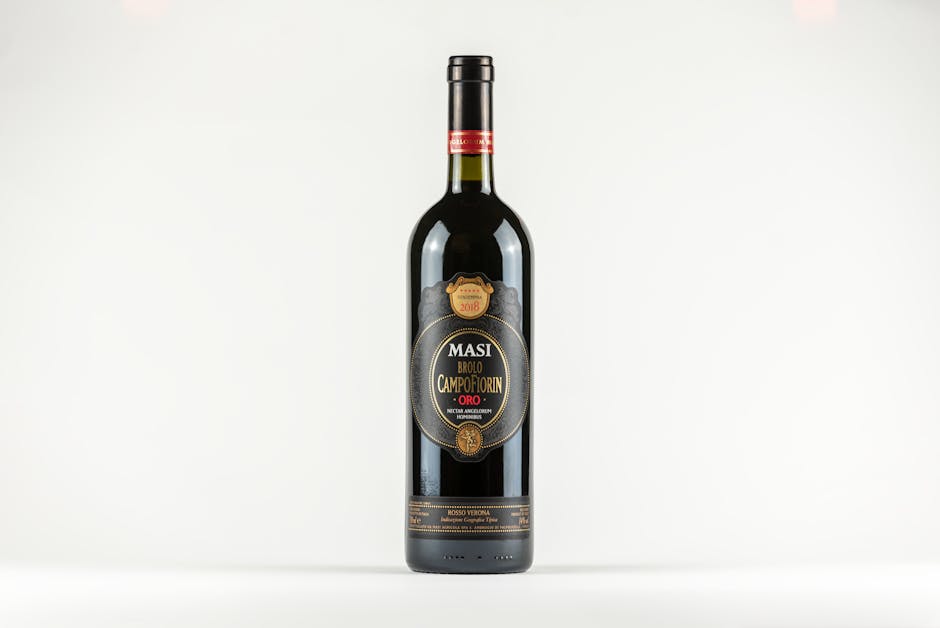
Amarone, the powerful wine of Valpolicella, pairs wonderfully with well-aged cured meats and hard cheeses. Bottle price in shops: 25–80 € depending on producer and age. By the glass (market/stand tasting): 8–18 €.
Click here to taste a premium Amarone on a guided tasting
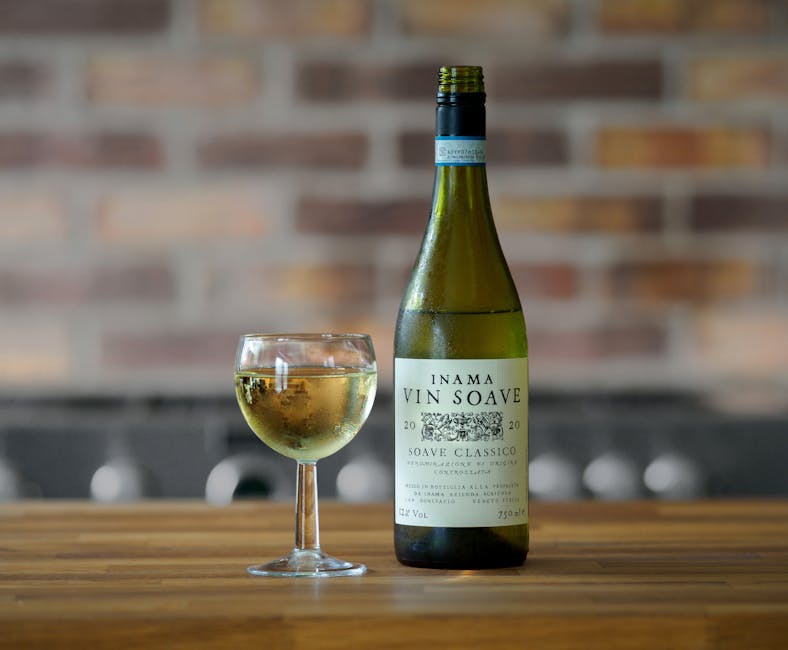
Fresh pairing: Soave Classico with seafood or fresh cheeses
Soave, the white wine from the Soave area (near Verona), pairs with oysters, grilled fish and young cheeses. Bottle price: 8–20 €. At night markets you’ll often find oysters or seafood platters priced 6–15 € per portion.
Terroir pairing: Valpolicella Ripasso with mountain dishes
Ripasso, with notes of red fruit and spice, matches rustic dishes (polenta, stews) and semi-aged cheeses. Shop price: 12–25 €.
Tasting tips:
– Start with lighter white wines, then move to fuller-bodied reds.
– Taste a product on its own, then with the wine to feel how the aromas evolve.
– If you buy wine at a market, ask for serving advice (ideal temperature, food matches).
Local Practical Tips: Transport, Payment, Storage and Etiquette
Visiting night markets and talking with producers benefits from a bit of preparation. Here are concrete, pragmatic tips to make your experience smooth and enjoyable.
Getting around:
– Main stations: Verona Porta Nuova (Piazzale XXV Aprile, 37135 Verona) is the most convenient arrival point. From the station, the historic center is a 20–30 minute walk or a short bus ride.
– Parking: paid peripheral car parks (Parcheggio Città di Verona, Lungadige Attiraglio; Parcheggio Stazione Porta Nuova) keep you outside the ZTL (limited-traffic zone).
– On foot: the center is compact; walking is best to discover alleys and markets.
Payment and haggling:
– Bring cash: many producers accept euros in cash. Small sums (5–50 €) are common.
– Cards: rarely accepted for very small purchases; confirm before buying.
– Haggling: be respectful and limited — some producers offer deals (two-for-one on small items) but avoid bargaining as if you were at an international souk.
Storage and transport of purchases:
– Cheese: vacuum-pack if possible; otherwise use cheese paper or parchment and keep cool.
– Wine: transport bottles upright and protect them from shocks; shops sometimes offer reinforced packaging (2–5 €).
– Refrigerated products: consume within 24–48 hours or ask the producer about longer storage options.
Behavior and local courtesy:
– Greeting in Italian (Buonasera) often opens the way to warmer exchanges.
– Ask about production, season and local ways of eating; most producers love to share.
– Respect queues and avoid taking intrusive photos without asking.
Conclusion: Why Night Markets and Local Producers Are Verona’s Soul
Night markets and local producers tell a city’s story in a way that stone and monuments alone cannot. In Verona they connect visitors to the territory: Valpolicella, Lessinia, the Venetian plain and the banks of the Adige. These ephemeral places — sometimes a street turned festival, sometimes a piazza in celebration — showcase family know-how, farming techniques passed down through generations, and a way of eating that favors quality and seasonality.
Joining a night market in Verona means being willing to learn: about the texture of a mountain cheese, the nuances of a ten-year-old Amarone, the taste of a hill honey gathered after a particular bloom. It’s also a social experience: sitting on a low wall with a shared plate, swapping a few words with the producer, tasting slowly. The addresses mentioned in this article — historic squares like Piazza delle Erbe and Piazza Bra, iconic venues like Antica Bottega del Vino, and Valpolicella producers — are anchors to build your own route.
Finally, keep in mind that night markets change: dates, hours and locations may vary by season and municipal decisions. Before you leave, check local announcements (City of Verona website, official producers’ pages or tourist offices) to confirm events. Bring a small insulated bag, a bit of cash and your curiosity — you’ll leave not only with delicious products but with stories and encounters that give true flavor to a trip.