


Introduction
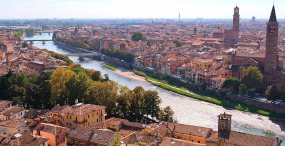
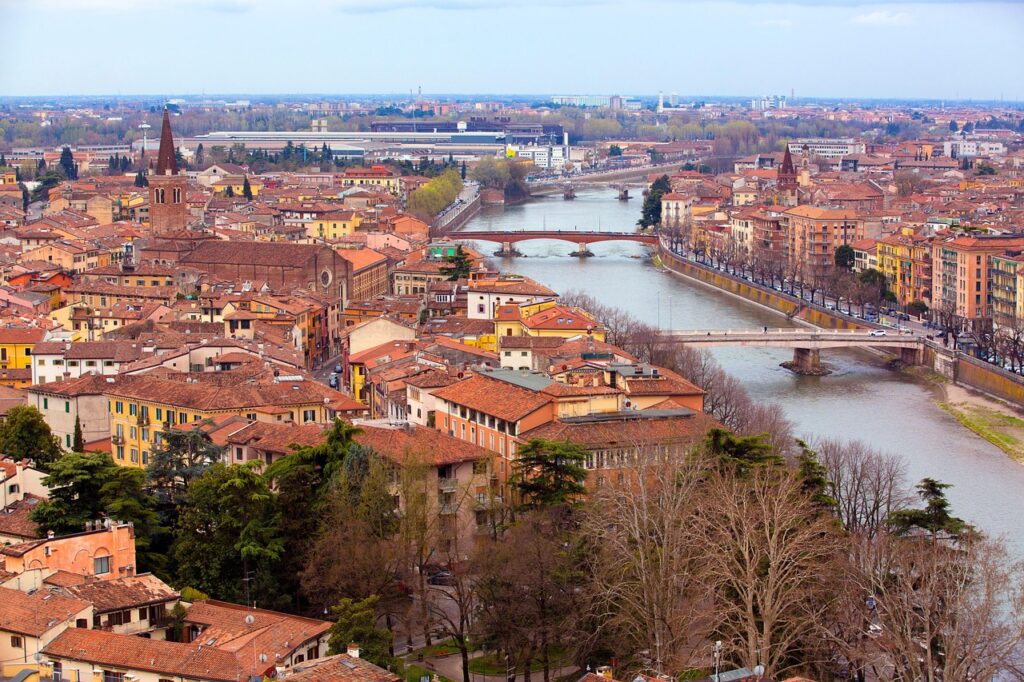
Verona — the oft‑sung romantic city — is more than Juliet’s balcony or the looming Arena: it has another, quieter charm along the banks of the Adige. Where the river winds between bridges and medieval palaces, the local cuisine draws on freshwater catches and centuries of trade. The fish specialties along the Adige tell the story of a local cuisine: river trout, slow‑cooked eel, delicate fried bites, and riverside recipes handed down through generations. Strolling the Lungadige, browsing the market, crossing the Ponte Pietra or wandering near Castelvecchio also means letting yourself be tempted by a food scene that blends simplicity with finesse, rusticity with inventiveness.
Contenu de l'article
This guide takes you to the best fish dishes by the Adige in Verona, with full addresses, opening hours, price ranges and practical tips so you can eat like a local. Whether you love smoked trout, fish risottos, crunchy fried river fish or more elevated dishes like char or monkfish, the riverbank offers a rich, approachable palette. We cover historic restaurants, neighborhood osterie, fresh markets and family stalls that keep traditional recipes alive.
Along the Adige, the city’s relationship with water shows up on menus: local produce, freshwater fish, and maritime influences brought by old trade routes. Often a simple dish — a roasted trout fillet, a lightly seasoned carpaccio, a fried mix of river fish — reveals the art of balancing texture and freshness. Verona’s chefs use local herbs (sage, rosemary, fennel), Italian extra virgin olive oil and gentle cooking techniques to highlight the fish’s natural flavor.
A quick practical note before we start: in high season (April–October) restaurants on the quays (the “Lungadige”) can be very busy between 12:30–14:30 and 19:30–22:00 — reservations are recommended. From November to March the city takes on a quieter mood and menus warm up with heartier sauces and comforting fish soups. Price ranges in this article reflect realistic costs for a full meal (starter, main, dessert) at quality places: expect about €25–€60 per person depending on the venue.

We’ll now walk through several quarters and iconic spots along the Adige, describe the specialties, give exact addresses, opening times, price guides and local tips so you can taste Verona’s culinary traditions by the water.

1. From market to table: the fishmongers and stalls of the Lungadige
Verona’s food scene often starts at the market. The Pescheria di Verona, close to the historic center, receives morning deliveries of freshwater fish (trout, gudgeon, carp) and sometimes small marine products. Address to know: Mercato Coperto di Piazza delle Erbe, Via Erbe 10, 37121 Verona VR. Hours: Monday–Saturday 07:00–13:30; closed Sunday. You’ll find stalls offering ready‑to‑eat portions or fresh fish to cook yourself. Price guide: smoked trout fillet €8–€12 per portion; mixed basket of small fried fish €6–€10.
Another good supply point is the Mercato di San Zeno (Piazza San Zeno, 37123 Verona VR), more family‑oriented and less touristy. Hours: Tuesday–Saturday 07:30–13:00. Local fishmongers often recommend simple techniques: stuff a whole trout with lemon and rosemary, or make a trout carpaccio dressed with oil, lemon and sea salt. Price: whole trout €10–€15/kg depending on size.
After the market, many riverside restaurants source directly from these sellers. You’ll often see “pesce di fiume” (river fish) on the chalkboards. A typical dish to look for: trota al forno con patate e salvia — oven‑roasted trout with potatoes and sage — usually around €16–€22. Local tip: arrive at the market early if you’re after rarer catches (the tench — tinca tinca — or the lavarello), and ask vendors if they can recommend a restaurant that cooks their fish.
 Click here to join the old market pasta‑making workshop
Click here to learn local cooking with dinner and wine
2. Trout and fillets: must‑visit spots near the Ponte Pietra
The Ponte Pietra, the restored Roman bridge with prime views over the Adige, is ringed by restaurants and osterie serving trout and other river fish. One highly regarded spot for trout is Trattoria Al Giardino (address: Via Ponte Pietra, 11, 37121 Verona VR, just steps from the bridge). Hours: daily 12:00–15:00 and 19:00–23:00. Signature dish: Trota alla griglia con salsa al burro e salvia — grilled trout with butter and sage — price guide: €18.
Click here to book a walking tour of Verona and the Arena

A little further along, near Sottoriva, Osteria Ponte Pietra (Sottoriva 7, 37121 Verona VR) offers fried fillets Italian‑style and river fish risottos. Hours: Tuesday–Sunday 12:00–14:30; 19:00–22:30; closed Monday. Recommended dish: Risotto alla tinca (tench risotto) — €14–€20. The osteria is known for generous portions and a homely atmosphere; book ahead on summer weekends.
Riverside restaurants often use traditional techniques: light smoking, plancha searing, high‑heat grilling or butter‑pan sautés typical of the Veneto. Sides are simple — new potatoes, seasonal sautéed vegetables or a crisp salad to cut the fish’s richness. Practical tip: always ask if the fish is “local” — reputable places will be proud to say so.

3. Small fried bites and street snacks: quick tastes along the Lungadige
For a more informal experience, along the Lungadige and in nearby alleys you’ll find stalls and small shops serving fried snacks — usually a mix of small pan‑fried freshwater fish — served in paper cones to eat while walking by the river. Example: the kiosk Fritto & Via (Lungadige Rubele 3, 37122 Verona VR) is popular for takeaways. Hours: daily 11:30–22:00. Prices: small portion €6; large portion €10.
These fried bites are often made with a light batter (wheat flour and corn starch) or simply a fine breadcrumb coating. Fish commonly used: gudgeon, small river perch, small trout fillets and sometimes pieces of eel. They’re served with lemon and sometimes a house sauce (light lemon mayo or aioli). This snack is perfect for a sunset stroll, especially near the Ponte Nuovo where lights reflect on the water.
Practical tips: choose stalls with high turnover to ensure freshness, and ask for the fritto to be served crisp (don’t be afraid to wait 5–10 minutes for a fresh batch). If you have gluten allergies, ask whether the batter contains wheat — some stalls can do a gluten‑free crumb on request. Portions and prices usually suit a snack for two.
Click here to taste local street food with guided tastings
4. Fine dining and signature plates: Il Desco, Corte Sconta and more
For a more elevated experience, Verona has several riverside tables where fish is handled with precision. A renowned example is Ristorante Il Desco (Piazza Santo Spirito, 12, 37121 Verona VR). Hours: Tuesday–Sunday 12:30–14:00; 19:30–23:00. Signature dish: Filetto di lavarello con emulsione di limone e capperi (char fillet with lemon‑caper emulsion) — tasting menu around €85 (approx., reservation recommended). Il Desco pairs local produce with contemporary techniques.
Click here to book a premium Amarone tasting in town

Another spot to consider is Ristorante Corte Sconta (Corso Castelvecchio, 2, 37121 Verona VR), which treats freshwater fish in dishes that are both rustic and refined. Hours: Wednesday–Sunday 12:00–14:30; 19:00–22:30; closed Monday and Tuesday. Recommended plate: Ombrina in crosta di erbe con purea di ceci (herb‑crusted croaker with chickpea purée) — €28–€35.
These restaurants often emphasize regional wine lists (Valpolicella, Soave) and pairings that enhance fish flavors. Portions are smaller but more composed: textures, light sauces (espumas, emulsions) and inventive garnishes. Practical tip: ask the sommelier for a bottle of Soave Classico or a local white to go with fish; by the glass you’ll pay roughly €5–€12.

5. Eel, traditional dishes and old recipes near San Zeno
One of the most rooted specialties in Venetian and Veronese tradition is eel. Although its consumption has declined, several traditional osterie still serve it, often stewed (in umido) or grilled. Near the Basilica of San Zeno, Osteria San Zeno (Piazza San Zeno, 2, 37123 Verona VR) is known for an old‑style eel dish. Hours: daily 12:00–14:30; 19:00–23:00. Traditional plate: Anguilla in umido con polenta (stewed eel with polenta) — €18–€26.
The classic preparation slowly stews eel with tomatoes, white wine, garlic and herbs, then serves it over creamy polenta. Locals favor this dish in autumn and winter when slow cooking warms the evening. Tip: if you’re curious but hesitant, ask for a small antipasto portion to share and compare flavors.
Another old‑fashioned dish to look for is the brodetto di fiume — a sort of river fish stew scented with wild fennel and sweet pepper, served with croutons. This rustic recipe is perfect for understanding fisherfolk cuisine from the past. Osterie that serve it usually price around €12–€18 per portion.
Click here to join a Slow Food experience in Verona
6. Desserts, wines and pairings to finish a meal along the Adige
Ending a fish meal by the Adige takes a bit of thought about pairings. Regional whites — Soave Classico, Lugana, and some wines from the Garda area — are natural companions. In restaurants you’ll find bottles of Soave (e.g. Soave Classico DOCG) from about €12–€30, and Lugana starting around €15.
Click here to taste local wines in Verona’s city centre

For dessert, local tradition favors light, not overly sweet finishes so you don’t weigh down a fish menu: a lemon panna cotta, a lemon‑basil sorbet, or candied fruit paired with a small glass of passito. Example: lemon panna cotta at a neighborhood restaurant costs around €6–€8.
Pairing tips: with fried or very rich dishes (eel, a hearty brodetto), choose a white with marked acidity (Soave Classico) to cut the fat. With smoked or buttery preparations, a rounder white (Lugana) or a light rosé can work better. For personalized advice, always ask the sommelier — good places often offer small tastings.

7. Practical tips for enjoying fish by the Adige
A few concrete tips to get the most from Verona’s fish specialties:
- Booking: For restaurants near major sights (Ponte Pietra, Castelvecchio, Piazza Bra), book at least 24–48 hours ahead in high season.
- Markets: Shop early (before 10:00) at the Mercato Coperto di Piazza delle Erbe or the Mercato di San Zeno for the best arrivals.
- Peak season: In July–August, favor a late lunch or dine before 19:30 to avoid queues.
- Transport: The quays are easily walkable from major tourist points. For larger grocery runs with perishable goods, use a taxi or a local delivery service.
- Language: While staff often speak English, knowing a few Italian words (trota = trout; anguilla = eel; fritto = fried) makes ordering easier.
- Allergies & diets: Inform the restaurant in advance if you have allergies (nuts, gluten) — many osterie can adapt dishes.
- Prices: Allow €25–€60 per person for a full meal at a quality riverside table; street food snacks are usually €5–€12 each.
Click here to book a walking tour with meal and wine tasting
Tasting fish in Verona also means taking time to watch palaces reflect on the Adige, enjoy the light on ancient stones and breathe in a mix of lemon, frying and grilled herbs. It’s a full sensory experience — between the sight of old bridges and the taste of local produce.
Conclusion
Along the Adige, Verona reveals another side of itself: a cuisine rooted in water, tradition and conviviality. From morning markets to refined restaurants, from takeaway fried snacks to family osterie, each spot offers a different take on freshwater fish and river products. You’ll find trout, eel, tench and dishes inherited from old recipes, refreshed by modern chefs.
For travelers it’s a double win: you taste dishes that tell the local story while enjoying a romantic riverside walk. The places listed here — from the Mercato Coperto di Piazza delle Erbe to the Ponte Pietra, via the osterie of San Zeno and gourmet restaurants — cover all budgets and cravings. Practically speaking, plan around market hours, reserve in high season and ask fishmongers for recommendations to get authentic experiences.
In short, if you come to Verona for its history and legends, also follow the Adige: its banks shelter flavors worth discovering slowly, in small bites and with big glasses of wine. And remember: the best spot is sometimes the quietest — a tiny osteria, a market stall, or a sunset terrace — where fish is still prepared with the know‑how of families who live and work by the river.