


Introduction: The lanes that lead to the Adige — an invitation to explore Verona
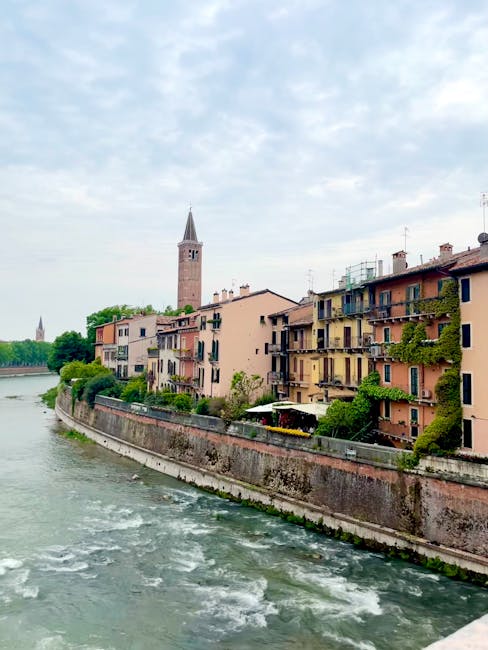
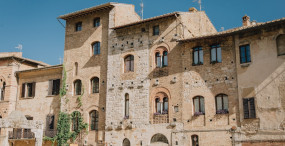
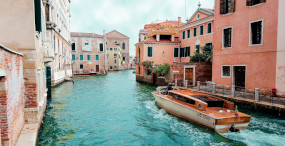
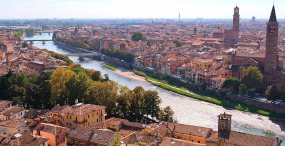
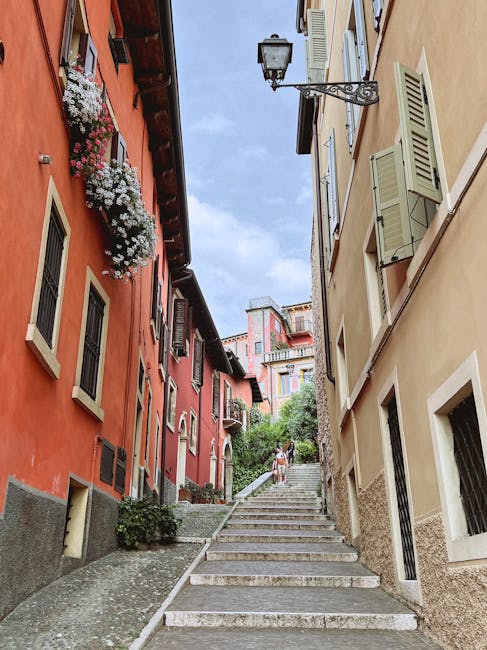
Verona isn’t just the Roman arena and Juliet’s balcony: it’s a city of tiny landscapes where every steep alley, porch and terrace becomes a lookout over the Adige — the river that carves the town and keeps its memory in motion. Walking the lanes that lead to the Adige is to accept an offbeat route made of unexpected corners, shifting reflections and little treasures often missed by the usual tourist trails. These side streets tell the city’s story — from medieval houses with decorated façades to artisan shops on street corners and inner courtyards where time seems to slow down.
Contenu de l'article
In this article I offer you concrete routes around Verona: walking itineraries that start from well-known landmarks and branch off toward riversides, hidden stairways, lesser-used bridges and viewpoints over the Adige. You’ll find exact addresses, opening hours where relevant, indicative entrance fees and practical tips to make the most of each section — when to come for the best light, where to sit to watch the arcade reflections, what shoes to favour and how to avoid the busiest times. I’ll also flag up small food stops, benches for photo breaks and pedestrian shortcuts sometimes marked only by an old street name plaque.
Verona’s lanes are often narrow and cobbled, sometimes lined with antique shops or fine food stores. They invite you to slow down and look down for a plaque, a hand-painted house number or an old sundial, then lift your eyes to catch a flowered balcony or an ornate dormer. At the end of each route the Adige appears like a reward: wide and calm in some spots, more turbulent in others, it’s a ribbon of water offering unique photographic perspectives on stone bridges, ochre façades and hanging gardens. These walks play on contrasts — light and shadow, the silence of alleys and the murmur of the river — and I’ve given enough practical reference points so you can follow these routes without trouble.
Whether you have a morning, an afternoon or a full day, these routes will let you discover Verona differently, away from the main tourist flow. Expect to pass through private inner courtyards (sometimes open to the public at specific hours), climb steps that lead to little-used banks and find viewpoints on the Ponte Scaligero, Ponte Pietra or the Arena arches from fresh angles. I include museum and monument prices where mentioned, full addresses — useful for GPS — and standard opening times to help you plan (remember that schedules can change in high season or during holidays). Finally, I give local tips: where to park, how to avoid the most touristy zones at noon, and which currency or apps can make purchases easier.
Ready to dive into the intimate lanes that lead to the Adige? Follow these unusual routes while respecting the places and their residents: take time to listen to the river, smell freshly baked bread and let the city speak to you in a low voice.
Route 1: From the Museo di Castelvecchio to Ponte Scaligero — history and vistas
Start your walk at the Museo di Castelvecchio, located at Corso Castelvecchio, 2, 37121 Verona VR. Housed in the medieval castle, the museum displays paintings, sculptures and armor. Indicative opening hours: Tuesday to Sunday 8:30–19:30, closed Mondays (check before you go as hours may vary). Entrance fee: around €6–9 for museum access (reduced rates for students and seniors). From the castle courtyard, take the narrow alley Via Dietro San Nicolò and let yourself descend toward the Adige’s banks through vaulted passages and houses whose façades still bear marks from the old guild of stonecutters.
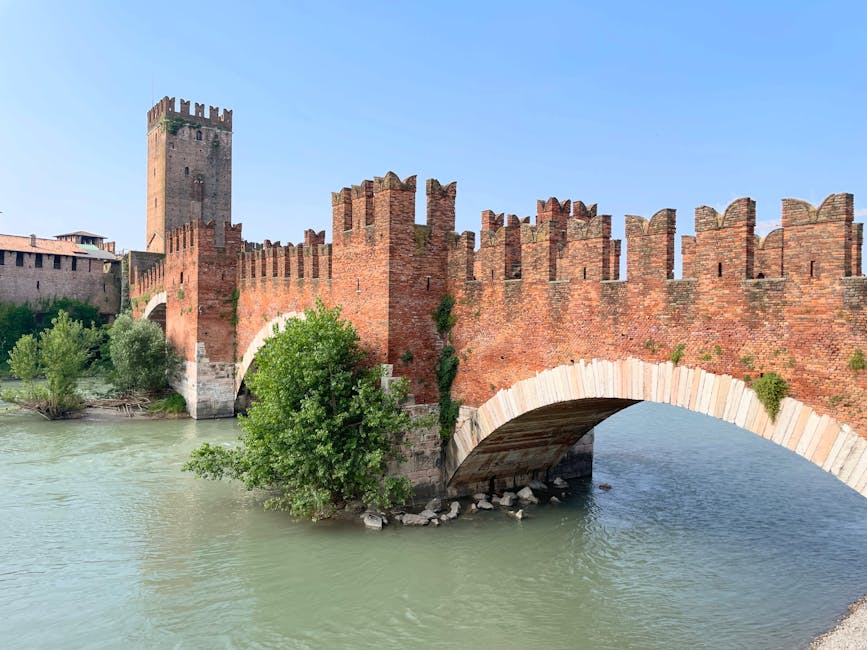
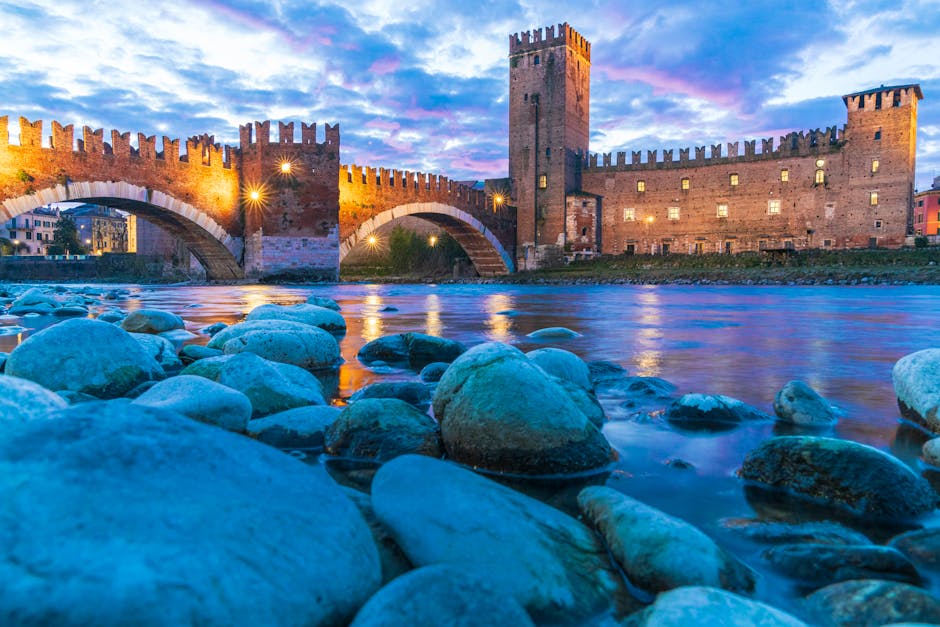
Via Dietro San Nicolò soon opens onto the Ponte Scaligero (Lungadige Castello, 37121 Verona), Verona’s iconic medieval bridge. The bridge offers spectacular views of the Adige, especially at sunset when the castle towers silhouette against golden light. Exact address: Lungadige Castello, 37121 Verona. This area is ideal for photos: look for the angle from the right bank where you can capture the crenellations’ reflection in the river. Sidewalks can be narrow; watch for cyclists and scooters, common along the quays.
 Click here to book a guided tour of Verona and the Arena
Leaving the bridge heading east, explore parallel lanes like Via Dietro Macello and Corte San Mattia: they still host artisan workshops, antique dealers and small trattorias. Stop for a coffee at Pasticceria Flego (Via Giuseppe Mazzini, 16, 37121 Verona), usually open 7:30–20:00, where an espresso costs about €1.20 and a cornetto around €1.50–2.50. It’s the perfect spot to watch everyday Veronese life between visits.
Practical tips for this route: wear comfortable shoes as the cobbles can be uneven; if you visit in summer bring a water bottle (drinking fountains like those at Piazza Bra are available) and choose morning or evening to avoid the crowds around Castelvecchio and Ponte Scaligero. If you have a combined ticket for the city museums, check whether it includes Museo di Castelvecchio to save a few euros.
Route 2: From Piazza delle Erbe to Ponte Pietra — markets, secret courtyards and hill views
Piazza delle Erbe (Piazza delle Erbe, 37121 Verona) is a lively starting point: a morning market, spice stalls and painted façades. The market livens up from about 8:00 and winds down around 18:00. From the piazza, head down Via Stella, a cobbled lane lined with shops and small galleries. On your way don’t miss the Torre dei Lamberti (Piazza delle Erbe, 2, 37121 Verona) — a handy landmark. Hours: generally 9:00–19:00, access to the tower costs about €8–10 (elevator to the top is paid, reduced rates for children).
Continue along Via Broglio and Via Ponte Nuovo to slip into inner courtyards like Corte Pietra, less noticed by guidebooks. These courtyards occasionally open to the public and reveal frescoes and ancient wells. Access is free, but respect residents’ privacy. Move closer to the river following Via Duomo (Piazza Duomo, 1, 37121 Verona) and visit the Cattedrale di Santa Maria Matricolare (Duomo di Verona) — address Piazza Duomo, 12. Indicative hours: 9:30–18:30 (times vary with religious services). The cathedral’s main entrance is free, though some chapels or the cloister may charge €2–5.
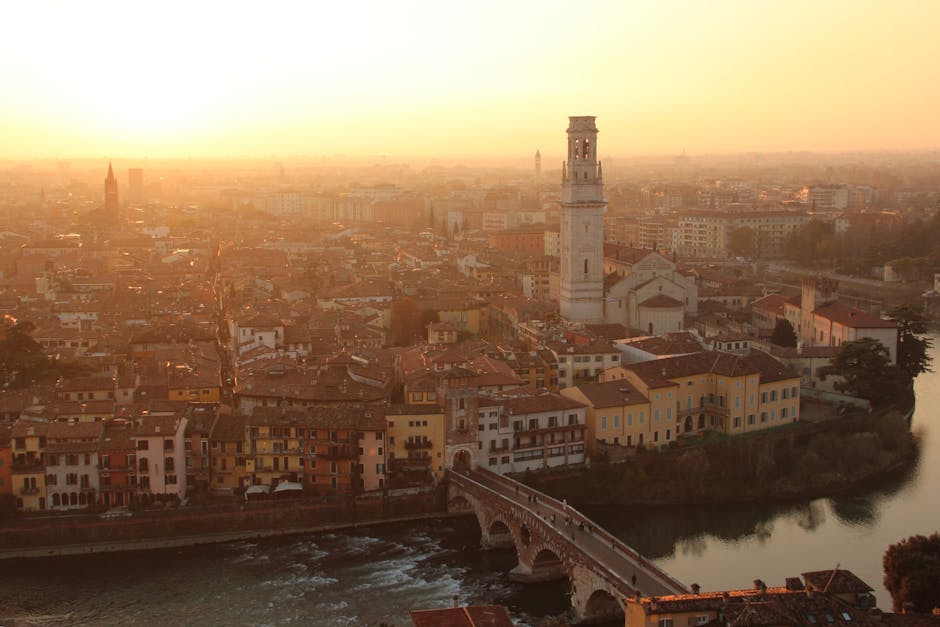
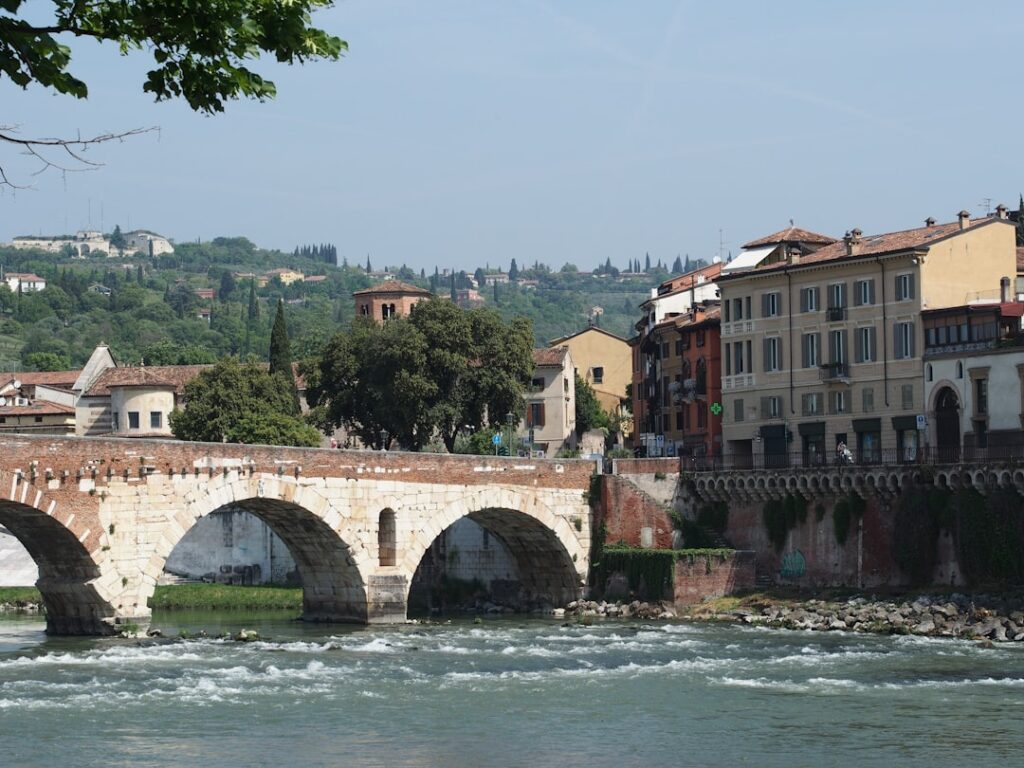
Arriving at Ponte Pietra (Via Ponte Pietra, 37121 Verona) — Verona’s oldest bridge, rebuilt after World War II using original Roman stones — the view opens onto the San Pietro hill. Bridge address: Via Ponte Pietra, 37121 Verona. Climb the steps of via Nuova Porta Borsari to reach the panoramic area on the hill, where you can spot the cathedral and the city’s ochre rooftops. It’s a favourite spot for golden hour photography: aim to arrive about 45 minutes before sunset for the best light.
Click here to explore Verona’s highlights with a guide
Food stop: for a Venetian-style lunch try Trattoria Al Pompiere (Via Sottoriva, 12, 37121 Verona), usually open 12:00–15:00 and 19:00–23:00. Main courses around €12–18. Evening reservations are recommended. Local tip: ask for a terrace table when the weather allows so you can hear footsteps on the cobbles and smell the river air.
Route 3: San Zeno district and the Adige’s southern banks — basilica, gardens and quiet beauty
San Zeno is a more residential quarter, less frequented by tourist crowds, offering characterful lanes that lead to the Adige’s southern banks. Start at the Basilica di San Zeno Maggiore (Piazza San Zeno, 2, 37123 Verona). It’s one of the best examples of Romanesque architecture in northern Italy. Indicative hours: 8:30–12:30 and 15:00–19:00 (vary with services). Entry to the basilica is free, but the attached museum and cloister usually cost about €3–5. Exact address for your GPS: Piazza San Zeno, 2, 37123 Verona.
Leave the piazza via Via San Zeno and take Via Sottoriva toward the southern quays. Lanes like Vicolo Sgarbari and Calle San Felice reveal small squares where locals chat at the neighbourhood market. Continuing toward Lungadige San Giorgio you’ll find tiny riverside gardens and benches rarely occupied — perfect for a book break. The Adige’s south bank offers soft afternoon light, ideal for spotting swifts and ducks playing in the eddies.
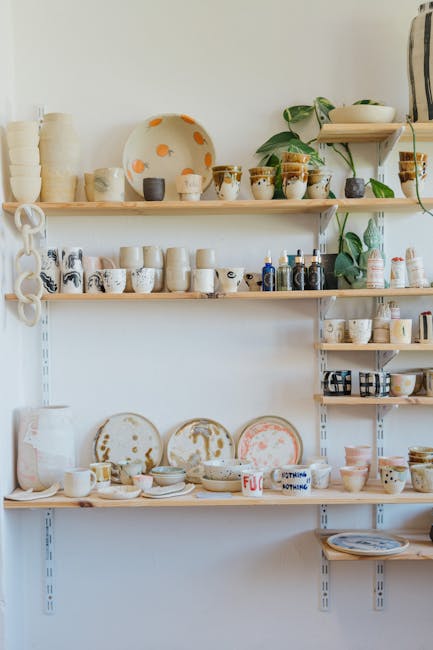
For craft lovers, stop at Officina Alessi (Via San Zeno, 46) where ceramics and glass pieces are made on site. Address: Via San Zeno, 46, 37123 Verona. Indicative hours: 10:00–13:00 and 15:30–19:00. Prices for small items: €5–30 depending on the piece. Buying here is often cheaper than in the tourist centre and supports local artisans.
Click here to join a pottery workshop in Verona
Practical tips for this neighbourhood: if you cycle, watch for pedestrian-only zones and restrictions along the quays (look for signage). There are bike stations or rental services near Piazza San Zeno; prices vary but expect roughly €6–12 for a half-day. For a sweet break try Gelateria La Romana (Piazza San Zeno, 3) — artisanal gelato: scoops from €2.50. At night the south bank is especially peaceful — ideal for a romantic stroll away from the crowds.
Practical tips and useful information for exploring the lanes toward the Adige
Finding your way around Verona’s lanes needs a bit of prep: here are practical infos and local tips so your routes to the Adige go smoothly. Transport: most of the routes described are walkable from the historic centre (Piazza Bra, Arena). If you arrive by car, park at Parcheggio Arena (Piazza Bra, 37121 Verona) — exact address: Piazza Bra, 1, 37121 Verona. Approximate rate: €2–3/hour, day rates often available. Peripheral car parks like Parcheggio Fiera (Viale del Lavoro) often offer better rates for longer stays.
Currency and payments: the euro is used everywhere; most shops accept cards (Visa/Mastercard) but some small boutiques or market stalls prefer cash. Carry €20–50 in cash for small purchases and to tip at cafés if you’re happy with the service. Phone and connectivity: the centre has good mobile coverage; cafés often offer free Wi‑Fi but connection can be patchy inside secluded courtyards.
Safety and behaviour: the lanes are generally safe, but stay alert at night in very poorly lit areas. Respect “privata” signs and residential spaces; avoid entering gated courtyards where signs forbid entry. Photography: bridges and banks are public spaces — however respect residents’ privacy when shooting their windows or inner courtyards.
Hours and seasons: spring (April–May) and autumn (September–October) give the best conditions: soft light, pleasant temperatures (15–23 °C) and fewer crowds. In summer, head out early (before 9:00) or late in the evening to avoid heat and tourist saturation. In winter some shops close earlier; always check current opening times online before planning a visit.
Useful apps: download an offline map (Google Maps or Maps.me) with the exact addresses mentioned here (Museo di Castelvecchio — Corso Castelvecchio, 2; Basilica di San Zeno — Piazza San Zeno, 2; Ponte Pietra — Via Ponte Pietra) so you don’t get lost in the narrow lanes. Finally, if you’d like a themed guided tour (photography, medieval architecture or food), check with the ufficio turistico di Verona (Piazza Bra, 1) — address and opening hours are available on their website or on site (usually open 9:00–18:30).
Click here to book a guided tour of Verona’s main sites
Conclusion: Let the lanes lead you back to Verona
The lanes that lead to the Adige are full of promise: each one brings you closer to another face of Verona — more intimate, quieter — where architecture is soaked in the river’s whisper. By following the suggested routes — from Castelvecchio to Ponte Scaligero, from Piazza delle Erbe to Ponte Pietra, or from the San Zeno quarter to the southern banks — you’ll discover how the city tells its story in detail: through old doors, hidden courtyards and perspectives only slow walking can reveal. The precise addresses, hours and prices given here are meant to ease your exploration: they help you plan, but remember that the unexpected is part of the charm: a closed shop may lead you to another discovery, a detour to a quay may offer an unforgettable sunset.
Practicality and beauty go hand in hand in Verona: the views over the Adige come with modest shopfronts, cafés where you can sit without breaking the bank and artisans ready to share their trades. Respect the places and residents, take long pauses, enjoy gelato on a bench facing the river and let the lanes bring you back to the centre on a new route each time. Lastly, remember that the best visit is often the one not fully planned — pick a route and let curiosity take you: Verona’s lanes reward hesitant steps.