





Introduction: Why Venetian cuisine in Verona is a sensory journey
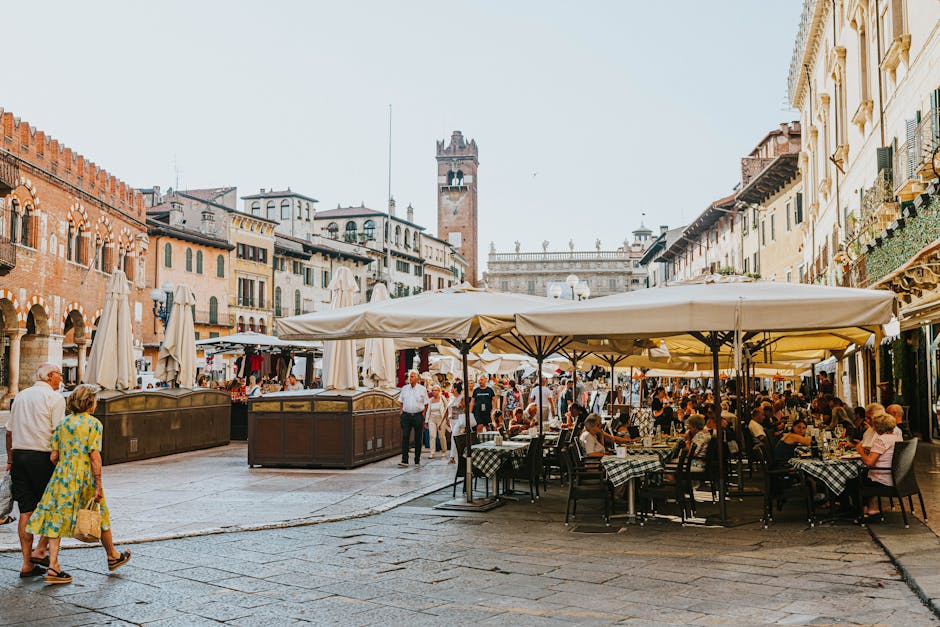
Verona is not only the city of lovers and Shakespearean scenes: it’s also a culinary crossroads where Venetian tradition is expressed with generosity, terroir and history. Nestled between the Po Valley, the hills of Valpolicella and Lake Garda, Verona absorbs agricultural, viticultural and maritime influences that give rise to a cuisine that’s rich, aromatic and unmistakably local. Wandering the narrow streets of the historic center — Piazza Bra, Piazza delle Erbe, the San Zeno quarter — is a chance to smell, taste and understand specialties that tell the story of the Veneto: amber, tannic wines, slow-cooked meats, rustic pastas and pastries handed down from family bakeries.
This in-depth guide lays out a tasting route around five Venetian specialties you absolutely must try in Verona. It doesn’t just list dishes: each specialty is described in detail, with tips on where to try it, exact addresses, price ranges in euros and typical opening hours. You’ll also get immersive descriptions — textures, aromas, culinary pairings — plus practical advice to help you get the most out of every bite (best time to arrive, wine-and-cheese pairings, portions to share, or how to ask for a take-away version).
Tasting Venetian food in Verona means slowing down and taking your time. Local dishes tell the seasons: Amarone flavors a silky risotto, Pastissada de caval reveals the depth of long braises, and bigoli with duck sauce evoke a rustic, almost medieval spirit. You’ll sip fine wines — Amarone della Valpolicella, Soave, Lugana — and nibble antipasti like sarde in saor (a traditional Adriatic preparation) reinterpreted by local chefs.
Whether you’re a curious foodie, a wine lover or a traveler after authenticity, this overview of Venetian specialties in Verona will guide you step by step. The recommended spots are places where culinary memory is alive: historic taverns, family-run osterie, enoteche and markets preserving recipes unchanged for generations. Bring good walking shoes — some venues hide behind old portals — and a small notebook to jot down impressions. And above all, be ready to be surprised: Venetian cuisine often pairs unexpected elements, simple ingredients elevated by time and know-how.
 Click here to book a walking tour of the Arena and Verona

1) Risotto all’Amarone — the perfect wine-and-terroir match
The Risotto all’Amarone is one of Verona’s most refined culinary expressions: Carnaroli or Vialone Nano rice is slowly cooked and bound with Amarone della Valpolicella, a powerful, concentrated red made from partially dried grapes (appassimento). The result is a creamy dish that’s both rich and elegant, where the acidity and tannins of Amarone balance the lusciousness of the risotto. Expect flavors of black cherry, prune, warm spices and a lingering raisin-like finish.
Where to try it: Antica Bottega del Vino, Corte Sgarzerie 4, 37121 Verona. This historic wine-focused institution serves a carefully prepared risotto all’Amarone and offers bottle pairing recommendations on site.
Hours: open Monday to Saturday 12:00–14:30 and 18:30–23:00 (closed Sunday).
Estimated price: risotto all’Amarone from €22. A bottle of Amarone della Valpolicella typically starts around €40–€60 here, with premium vintages much higher.
Immersive description: imagine a steaming plate set before you, grains clearly defined yet coated in a silky sauce. On the nose, a first wave of dark fruit and cocoa. A spoonful reveals an almost velvety texture; the Amarone’s tannins add a sturdy, slightly drying backbone that intertwines with the rice’s natural sweetness. Some chefs flambé the wine at service to deepen the aromatic profile.
Practical tips: arrive early in the evening if you want a quiet table (18:30–19:30). Ask for a younger Amarone for fruit-forward pairing or an older Amarone for earthier, more complex notes. The dish pairs well with a portion of aged cheeses (formaggi stagionati). If you’re in a group, order a large plate to share: risotto portions are generous and perfect for sharing, especially with a charcuterie board on the side.
Click here to taste Amarone on a Valpolicella tour

2) Pastissada de caval (horse stew) — Verona’s slow-cooked meats
The Pastissada de caval is an age-old Venetian specialty: a stew of horse meat marinated and slowly braised in a mix of wine (often Amarone or Recioto), spices and aromatics. This dish is traditionally served at local festivals and special occasions in Verona and the surrounding area. The meat, cut into generous pieces, becomes unbelievably tender and soaks up a dark, sweet-and-salty jus with a pleasant tang.
Where to taste it: Osteria Le Vecete, Via Pellicciai 5, 37121 Verona. Known for its traditional fare and welcoming atmosphere, Le Vecete serves Pastissada de caval following a family recipe.
Hours: open Monday to Saturday 12:00–14:30 and 19:00–22:30 (closed Sunday).
Estimated price: portion of Pastissada de caval €18–€26, tasting menu including main and sides €30–€45.
Immersive description: when the plate arrives, the first impression is olfactory: a scent of reduced wine, often orange peel used in the marinade, with cloves and sometimes cinnamon detectable. The meat falls apart at the fork, bathed in a fragrant, glossy jus. Traditionally served with creamy polenta or wide pasta, the dish is rustic yet deeply comforting.
Practical tips: Pastissada is a bold, characterful dish — order a moderate portion if you plan to sample other specialties that evening. Recommended wine pairings include Amarone or Valpolicella Ripasso to echo the marinade. If you want to learn more about the dish’s history, look for osterie where the chef will explain the preparation — many marinate the meat for 24 hours and braise it for several hours, a point that fascinates fans of traditional cooking.
Click here to enjoy a traditional Veronese meal with wine tasting
3) Bigoli, hand-made pasta and other Venetian pastas
Pasta in the Veneto tends to be hearty, rustic and built to carry bold sauces. Bigoli are long, thick noodles traditionally made from wheat flour and sometimes a bit of buckwheat, extruded through a « bigolaro » (a hand-press). They’re paired with assertive sauces: duck ragù (ragù d’anatra), sardele in saor (marinated sardines) or onion-and-anchovy sauces.
Where to try them: Trattoria Al Pompiere (Via Dietro Pallone 13, 37121 Verona) is famed for its house-made pasta, including hand-rolled bigoli. Another solid option is Trattoria al Bersagliere (Piazza Bra area), which serves classic local recipes.
Hours: most trattorie open at lunch (12:00–14:30) and dinner (19:00–22:30). Trattoria Al Pompiere typically: 12:00–14:30 and 19:00–23:00 (closed Sunday evening).
Estimated price: Bigoli with duck ragù €12–€18.
Immersive description: bigoli have a satisfying chew — a deep al dente that holds sauce without collapsing. Duck ragù, made from confit or shredded duck leg, brings a rich, almost candied savor; dishes are often brightened with a touch of orange zest or a drizzle of local olive oil. Venetian sauces aren’t chasing modern fussiness: they favor depth and harmonious ingredient interplay.
Practical tips: if you see « pasta fatta in casa » (house-made pasta), don’t hesitate. For balance, pair bigoli with a simple green salad or grilled vegetables. In winter, order polenta on the side — pasta and polenta often appear together for a satisfyingly traditional meal.
Click here to learn to make authentic pasta with a local
4) Sarde in saor, baccalà and the maritime influences of the Veneto
Even though Verona isn’t on the coast, Venetian cuisine retains strong maritime influences inherited from the Republic of Venice: preserves, marinades and cured fish are part of the gastronomic soul. Sarde in saor (sardines marinated in vinegar with onions, pine nuts and raisins) offer a sweet-and-sour contrast typical of the region. Baccalà alla vicentina, meanwhile, is a dried cod preparation slowly cooked with onions and oil — a product of long-standing trading traditions.
Where to taste them: Enoteca Caffè Filippini (Via Stella 7, 37121 Verona) offers seafood antipasti and local versions of sarde in saor. For baccalà, try Osteria al Duca (Via Duca 4), which works dried fish following recipes from Vicenza and the Veneto.
Hours: enoteche and osterie often open 10:00–22:00 for tapas/antipasti; restaurants for dinner 19:00–23:00.
Estimated price: antipasto of sarde in saor €6–€12, portion of baccalà €14–€22.
Immersive description: a bite of sarde in saor hits you first with acidity — melting onions, vinegar softened by raisins and the silky texture of the sardine. Baccalà, slowly braised, surprises with its ability to remain richly flavored without excessive salt: it’s buttery, almost creamy. These dishes are often served with grilled crostini or polenta, and paired with a glass of Soave or a crisp regional white.
Practical tips: these plates work wonderfully as an extended aperitivo; in an enoteca, share several antipasti and order a glass of dry white. If you’re sensitive to very salty flavors, ask the server for a milder portion. And try the « house » versions made from family recipes — the vinegar-to-sugar balance can vary widely from one spot to another.
Click here to sample marine antipasti on a food tour

5) Desserts, pastries and Venetian sweets: torta Russa, pandoro and artisan gelato
The Veneto has a rich pastry tradition. In Verona you’ll find rustic cakes, crisp cookies and local creations. Must-tries include the torta Russa (an almond cake with crunchy toppings), bussolà biscuits and the famous pandoro (originating in Verona, though now closely associated with Christmas). Artisan gelato, churned with local milk and seasonal fruit, is the perfect finish to a summer stroll.
Where to indulge: Pasticceria Flego (Piazza Bra 16, 37121 Verona) and Pasticceria Perbellini (Via Roma 23) are classic spots for pastries and desserts. Artisanal gelaterias like Gelateria Savoia (Piazza Erbe 15) serve ice cream made from local ingredients.
Hours: pastry shops 07:30–20:00 (open daily), gelaterias 12:00–22:00 in high season.
Estimated price: slice of cake €3–€6, scoop of gelato €2–€4.
Immersive description: torta Russa often appears as a dense cake studded with slivered almonds and a crumbly crust that cracks under your teeth. Pandoro, sold in generous slices, is airy and buttery, frequently dusted with powdered sugar for a « snowy » effect. Artisan gelato offers a range of textures — light sorbets, rich creams — and seasonal flavors (fig, pear, pistachio made from real pistachios).
Practical tips: for an authentic Veronese snack, pair a local pastry with an espresso ristretto. If you visit in December, look for bakeries selling traditional pandoro — often available in mini sizes for tasting. Ask the gelato maker whether fruits are locally sourced — freshness makes all the difference for sorbets.
Click here to learn to make your own artisan gelato in Verona
Conclusion: How to plan a Veronese food route
Verona is best discovered through its plate. This overview of Venetian specialties gives you a roadmap for a full-flavored journey: from Amarone-infused risottos to slow-cooked stews like Pastissada de caval, from sturdy pastas such as bigoli to sea-inspired antipasti like sarde in saor, and not forgetting pastry treats and artisan gelato. Each dish carries the memory of the land — the climate, the vineyards, historical ties to the sea — and deserves to be tasted with curiosity and respect for culinary craft.
Practically speaking, to get the most from your tastings:
- Space out your meals: Venetian food is generous and often rich; it’s better to savor slowly and share multiple dishes.
- Book popular restaurants in advance, especially in high season (May–September) and during events at the Arena di Verona (open-air operas).
- Ask locals or staff for advice: the best tips for wine-and-dish pairings or to find the day’s specialty are often found at the counter.
- Carry cash and cards: small osterie sometimes accept only cash or require a minimum card payment.
Click here to book a culinary and wine tour with Amarone
Finally, leave room for the unexpected. Markets like Piazza delle Erbe and neighborhood enoteche hide delightful discoveries: artisanal preserves, aged cheeses, regional cured meats and family cuvées. Take a few of the addresses listed here (Antica Bottega del Vino, Osteria Le Vecete, Trattoria Al Pompiere, Pasticceria Flego) to start your route, but stay open to spontaneous recommendations — often, the true culinary magic lives in modest places where tradition passes from generation to generation.
Enjoy your gourmet journey in Verona — may every bite tell you the story of the Valpolicella hills, the plains of the Veneto and the sea that long influenced these lands.