


Introduction: An Archaeological Dive into the Heart of Verona
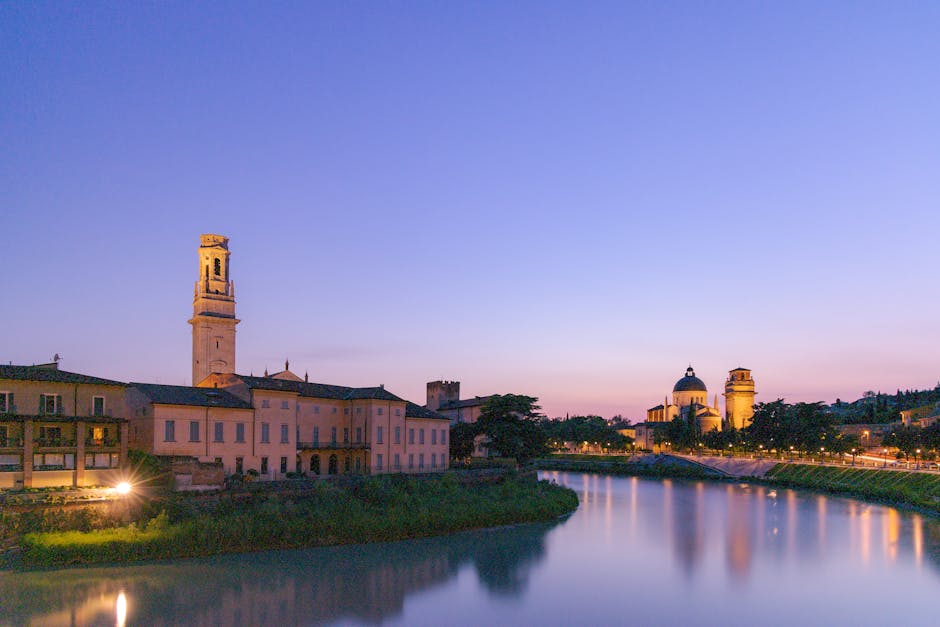
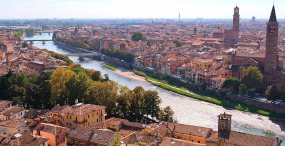
Verona, a UNESCO World Heritage site for its historic center, is often linked to Romeo and Juliet, the Arena, and narrow medieval lanes. Less known outside history and archaeology circles, the city nevertheless hides an exceptionally rich ancient heritage: Roman remains, lapidary collections, carved sarcophagi and everyday objects that tell the long story of the Po Valley. The “Guide to Verona’s Archaeological Museums” you’re holding (or reading on screen) is designed to turn a standard sightseeing stop into a deeper exploration of the material traces left by the peoples who shaped the city.
Contenu de l'article
This guide is aimed at the curious as well as the passionate: families with kids, history students, amateur archaeologists or travelers who want to go beyond the clichés. You’ll find detailed descriptions of the main places where archaeology is conserved and displayed, exact addresses, up-to-date admission prices in line with common practice, standard opening hours, and practical tips to make the most of your visit (best times to go, transport, links between sites, and photo tips).
Archaeology in Verona is not limited to a single, isolated museum: it is woven into the city’s urban fabric, with reused ancient theaters, excavations visible in situ and lapidary collections housed in palaces or museum annexes. As you read this guide, you’ll pass through sites like the Teatro Romano and its Antiquarium, the Museo Lapidario Maffeiano, archaeological collections integrated into the Museo di Castelvecchio, and archaeological areas near the Arena and Ponte Pietra. Each section offers a sensory immersion — imagine the sound of stone tiers, the texture of a worn Latin inscription, the light on a recovered mosaic — along with practical information so your visit is both rewarding and comfortable.
Finally, this guide also includes local recommendations: where to eat a traditional meal after a morning of sightseeing, how to choose an archaeology specialist guide, what precautions to take when visiting outdoor sites, and how to respect conservation rules. All of this so your time in Verona leaves a lasting impression — not only in your photos but in your understanding of the city. Lace up your walking shoes, grab a notebook and, if you like, a magnifying glass to inspect the details of stelae: antiquity is waiting for your curiosity.
Museo Archeologico al Teatro Romano — Antiquarium and Archaeological Site
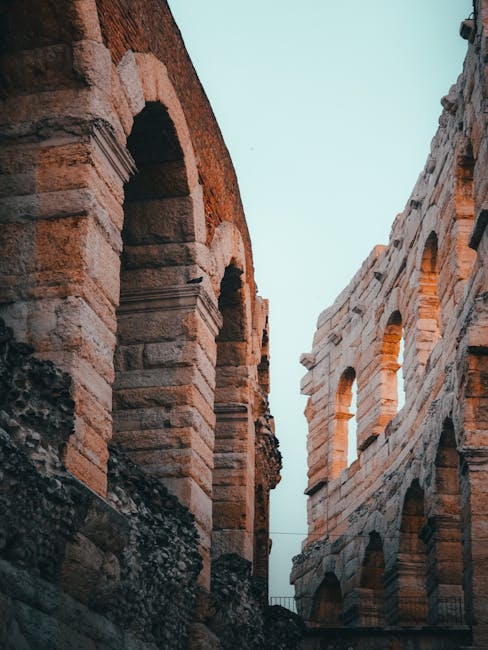
The Museo Archeologico al Teatro Romano is probably the first stop for anyone wanting to understand ancient Verona. Set into the hillside near the Teatro Romano, the museum follows two complementary threads: the indoor museum area (the Antiquarium), which preserves and displays objects found during local excavations, and the archaeological site itself — stairs, tiers and sealed structures that help reconstruct the life of the Roman theatre.
Exact address: Museo Archeologico al Teatro Romano, Lungadige Cangrande 4, 37121 Verona VR.
Opening hours: Tuesday to Sunday, 9:00–18:00 (last entry 17:30). Closed on Mondays (except public holidays and special temporary exhibitions).
Admission (indicative): full price €8.00; reduced (students, seniors) €5.00; free for under-18s. Combined tickets with other municipal museums are available (check the Comune di Verona ticketing for current offers).
Visits often start in the Antiquarium, where you’ll find ceramics, terra sigillata, oil lamps, architectural fragments and epigraphs. The displays are arranged to tell a chronological story: the Roman foundation and urbanization, the theatre’s evolution, and medieval transformations. Don’t miss the sections devoted to fragmentary mosaics and carved decorative elements, often lit to highlight the depth of the reliefs.
After the Antiquarium, the route continues outside: the Teatro Romano itself offers a panoramic view over the Adige and the lower city. Walking on the tiers and touching the stone — while respecting cordoned areas — creates a powerful sense of historical immediacy. The site is accessible via ramps and stairs; bring slip-resistant shoes in wet seasons. Explanatory panels in Italian and English accompany the visit, and it’s possible to book thematic guided tours (by reservation) focused on theatre architecture and ancient performance practices.
 Click here to book a skip-the-line walking tour for the Arena
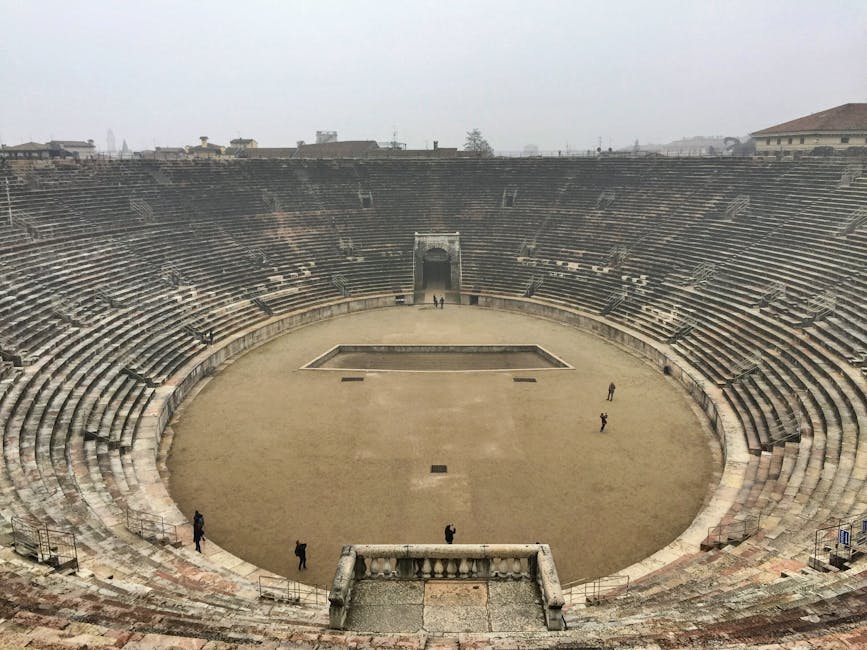
Museo Lapidario Maffeiano — Stone, Inscriptions and Epigraphic Memory
The Museo Lapidario Maffeiano is one of Italy’s oldest epigraphic collections, founded in the 18th century by Girolamo Maffei and expanded over the centuries. This museum is mainly dedicated to inscribed stones: funerary stelae, fragments of official inscriptions, honorary plaques and lapidary elements documenting Verona’s administrative, religious and funerary practices and those of the surrounding province.
Exact address: Museo Lapidario Maffeiano, Piazza Sant’Anastasia 4, 37121 Verona VR.
Opening hours: Tuesday–Sunday 10:00–17:00 (closed on Mondays).
Admission (indicative): full price €4.00; reduced €2.00; free for under-18s. Combined tickets may be possible with other municipal sites — ask at the Piazza Bra tourist information point.
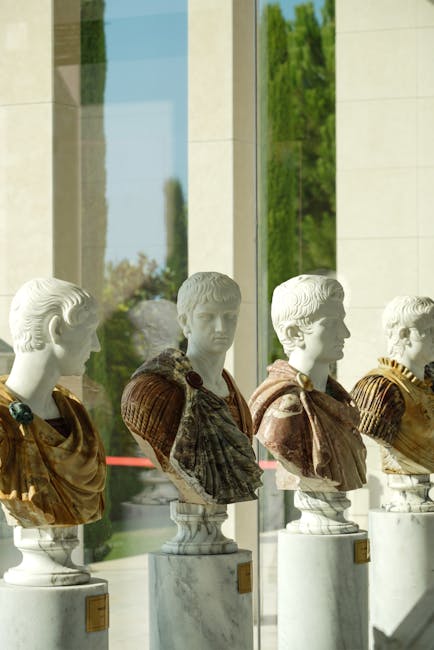
The Lapidario’s layout encourages careful reading: each stone is labeled, often with a transcription and translation of the Latin text, so visitors can understand names, offices and sometimes biographical details of the people mentioned. Notable pieces include military stelae, dedications to local deities and fragments from public buildings. The route also highlights paleography — the evolution of letter forms — a real bonus for students and epigraphy enthusiasts.
Practical tips: arrive in the morning to take advantage of natural light in the rooms, and ask staff for additional info sheets (often available in English). The museum is a short walk from the Basilica of Sant’Anastasia and Corso Sant’Anastasia, making it easy to combine the visit with architectural sightseeing and a coffee break in the historic quarter. Consulting a guidebook or a small reading booklet can make the discovery of inscriptions much more accessible for newcomers.
Click here to discover Verona and the Arena with an expert guide
Museo di Castelvecchio and Integrated Archaeological Elements
Castelvecchio is best known for its collection of medieval and modern art, but it also houses important archaeological pieces and reused architectural elements from antiquity and the classical period. The medieval fortress, restored and converted into a museum, displays, alongside sculptures and paintings, lapidary fragments, sarcophagi and remains that reveal the site’s long continuity of occupation.
Exact address: Museo di Castelvecchio (Museo Civico di Castelvecchio), Corso Castelvecchio 2, 37121 Verona VR.
Opening hours: Tuesday–Sunday 8:30–19:30 (hours may vary in summer/shoulder seasons). Closed on Mondays (except in special cases).
Admission (indicative): full price €6.00–€9.00 depending on temporary exhibitions; reduced €4.00–€6.00. Free entry for some audiences (young people, professional guides) according to municipal regulations.
The archaeological aspect of Castelvecchio is usually integrated into the museum’s general route: look for the glazed display cases and the panels that point out the archaeological pieces. Carved sarcophagi and fragments of Roman architecture are often shown to illustrate the reuse of ancient materials in the Middle Ages. The exhibition design allows direct comparison of styles and techniques, helping visitors grasp the continuities and breaks between Late Antiquity and the medieval period.
Practical tips: Castelvecchio is close to the Ponte Scaligero and the Adige River — a walk along the ramparts after your visit helps place the objects within their original landscape. In high season, aim for late afternoon to avoid crowds and enjoy the golden light on the brick walls. Check temporary exhibitions, which can affect ticket prices and the layout of the rooms.
Click here to book a guided tour of Verona’s must-see sites
Practical Tips for Visiting Verona’s Archaeological Museums
Planning your museum visits in Verona just takes a few simple precautions to save time and enhance the experience. Here are field-tested practical tips:
- Tickets and reservations: some municipal museums offer combined tickets (e.g. Teatro Romano + Museo Lapidario). For groups or guided visits, book online in advance to secure availability and avoid queues.
- Hours and seasons: in summer, favor morning visits (9:00–11:30) to avoid heat and crowds; in winter, check weekly closures (often Monday) and reduced hours.
- Transport: most museums are within walking distance from Porta Nuova station (20–30 minutes) or reachable by city buses. Check the ACTV/ATV Verona network for connections and plan for paper or digital tickets.
- Accessibility: some archaeological sites include outdoor areas or old staircases; check accessibility for visitors with reduced mobility (ramps, elevators) before you go.
- Guides and audio guides: choose a specialist archaeology guide for a more scholarly narrative; municipal audio guides are also very useful for understanding inscriptions and excavation techniques.
- Gear: comfortable shoes, a water bottle, and a pocket guide to Roman art/epigraphy will enhance the experience. Bring a notebook for sketches and observations, especially if you’re a student.
- Respect and photography: most museums allow photography without flash; respect protected areas and follow staff instructions to help preserve fragile objects.
Conclusion: Understanding Verona Through Its Stones
Verona’s archaeological museums offer a concrete, tactile reading of the city’s history: these are not just display cases, but hubs of memory where every stone, inscription and fragment tells a human story. From the Teatro Romano to the Lapidario Maffeiano, and through the archaeological elements kept in Castelvecchio, you’ll find narratives that go far beyond the usual tourist landmarks. The objects on display reconnect visitors with daily gestures — cooking, trading, praying, honoring the dead — and give temporal depth to the city we walk today.
Visiting these museums also teaches you to read the city differently: architectural reworkings, the reuse of ancient materials in medieval buildings, and the layering of public spaces reveal a fascinating historical continuum. Thanks to the detailed inscriptions in the Lapidario and the reconstructions at the Teatro Romano, you’ll better understand how Verona fit into the Roman Empire and how it shifted into new social and artistic forms over the centuries.
To get the most out of your trip, combine morning visits with evening strolls, use combined tickets to reduce costs, and don’t hesitate to hire a specialist guide when you want to dive deeper into a topic (epigraphy, theatre architecture, funerary customs). Above all, respect the sites: these stones are fragile and tell a shared story we must preserve. When you leave, you won’t just have seen objects — you’ll take with you a richer, more nuanced understanding of Verona, a city where the ancient and the living coexist along the Adige.