


Introduction — Winter Stroll: The Magic of the Adige in Verona
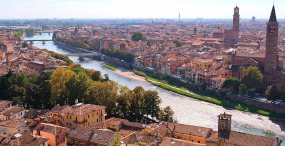
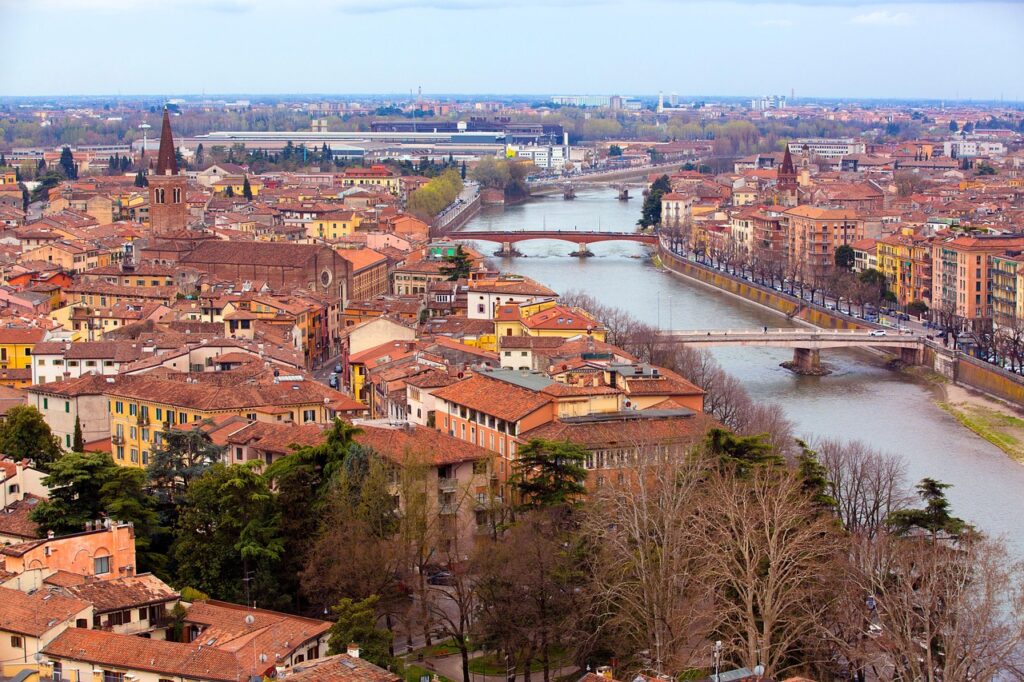
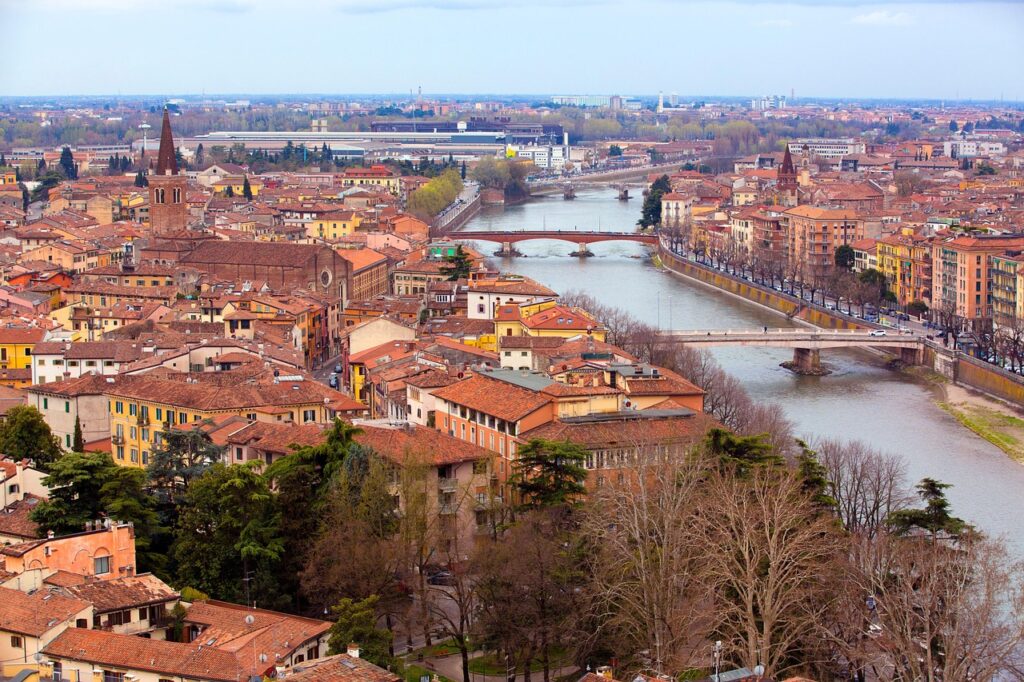
Verona in winter has that unique mix of hushed calm and urban sparkle: the Adige River, cutting through the city like a silver vein, becomes the thread for a walk that blends history, architecture and a romantic atmosphere. Descending from the hills of Castel San Pietro down into the historic center, every bridge, bank and façade tells a story — from the Romans to the Scaligeri, from Shakespeare to contemporary artisans. The air is crisp, sometimes dusted with a light snow or wrapped in a low fog that clings to the old stones, and it’s precisely in those conditions that Verona reveals its most photogenic, intimate contrasts.
Contenu de l'article
This winter walk along the Adige is more than just a stroll: it unfolds like a series of scenes. In the morning, deserted quays invite quiet contemplation; bookshops and cafés open up slowly, offering a sharp espresso to warm you and help you appreciate the low light that gilds the terracotta walls. In the afternoon, the city livens around the main squares — Piazza Bra, Piazza delle Erbe — where locals mingle with international visitors. In the evening, under occasional festive lights, the historic bridges become perfect vantage points to admire the old town’s reflections on the Adige’s murky water.
This article lays out a detailed route, must-see stops and practical tips to get the most out of a winter walk along the Adige, with all the useful information: exact addresses, opening hours, indicative prices and local recommendations. Whether you’re a photographer hunting dramatic compositions, a foodie curious about Venetian flavors, or a traveler seeking an offbeat route, you’ll find concrete suggestions here to turn a few hours into a memorable experience. Pack warm layers, non-slip shoes and your curiosity: the magic of the Adige in Verona is waiting.
 Click here to discover Verona and the Arena with an expert guide
Walk Along the Adige: Detailed Route and Starting Points
To begin the winter walk, the recommended starting point is the panoramic terrace of Castel San Pietro, accessible from Piazzale Castel San Pietro, 37121 Verona VR. From this high vantage the sweeping view of the Adige bend and the historic center is ideal for orienting your route. To reach it: take the historic stairs from Via Ponte Pietra 22 or drive up (limited paid parking). The viewpoint is open 24/7; there’s no fee for the exterior view, but the funicular is not currently operating year-round — check locally.
Click here to explore Verona on foot and visit the Arena
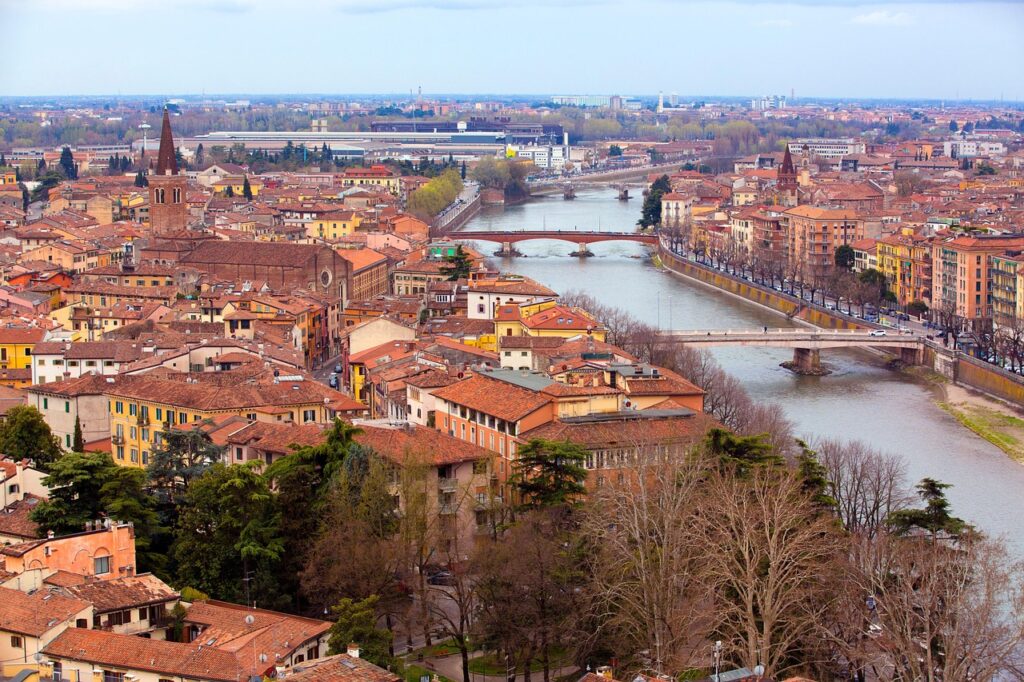
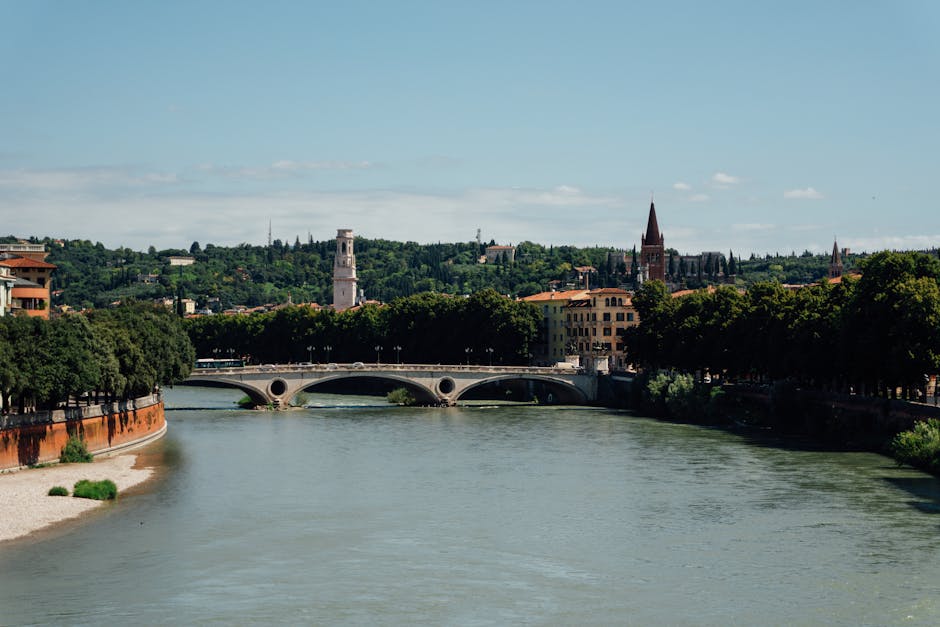
From there, head down to the right bank of the Adige and make your way to the footbridge that leads to Ponte Pietra, Ponte Pietra, 37121 Verona VR. Ponte Pietra is a stone bridge of Roman origin, partially rebuilt after World War II. It’s open to the public and makes an excellent starting point for walking along the bank toward Ponte Scaligero. Walking from Castel San Pietro to Ponte Pietra takes about 15–20 minutes depending on your pace and photo stops.
Continue your walk along Lungadige San Giorgio toward the Castelvecchio and Museo di Castelvecchio, Corso Castelvecchio 2, 37121 Verona VR. The museum is a welcome stop if the cold bites: it houses paintings, sculptures and a medieval collection. Winter hours (indicative): Tuesday–Sunday 10:00–17:30, closed Monday. Tickets: museum entry around €6–€8 (reduced rates for students/seniors). Always check the official notices on the day of your visit.
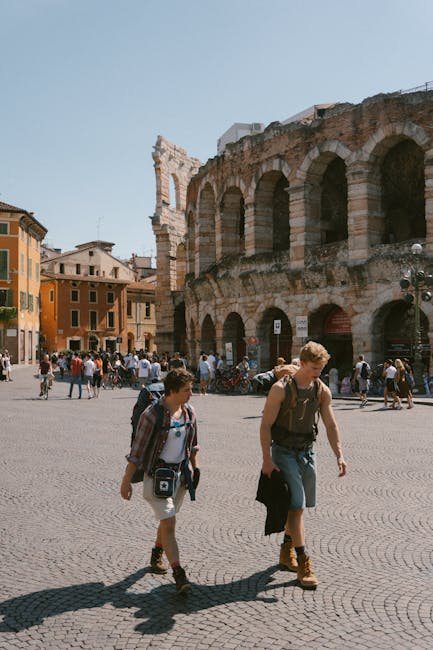
After Castelvecchio, cross the famous Ponte Scaligero (Ponte Scaligero, Corso Castelvecchio, 37121 Verona VR) — fortified and very photogenic — to reach the left bank, then make your way up to Piazza Bra and the Arena di Verona, Piazza Bra 1, 37121 Verona VR. Allow 10–15 minutes of easy walking from the museum. The Arena is impressive from the outside; interior access for guided tours may be limited in winter. Visiting hours (winter season): typically 09:00–17:00, entry/tour ticket around €10–€12.
This linear route (Castel San Pietro → Ponte Pietra → Castelvecchio → Ponte Scaligero → Piazza Bra) forms a loop of roughly 3–4 km if you add detours to the squares and museums: a relaxed afternoon. Adjust the distance to suit your mood and the weather; in winter, allow 1.5 to 2 times the usual time for breaks, cafés and photography.
Landmarks and Must-See Stops Along the Adige
Castel San Pietro and the viewpoint (Piazzale Castel San Pietro, 37121 Verona VR): the hilltop panorama is a must, especially on clear days when you can take in the Adige loop and the roof of the Cattedrale di Santa Maria Matricolare. The viewpoint is public and free; at dusk it’s popular for long-exposure shots. Access on foot from Via Ponte Pietra; bring non-slip shoes after rain or frost.
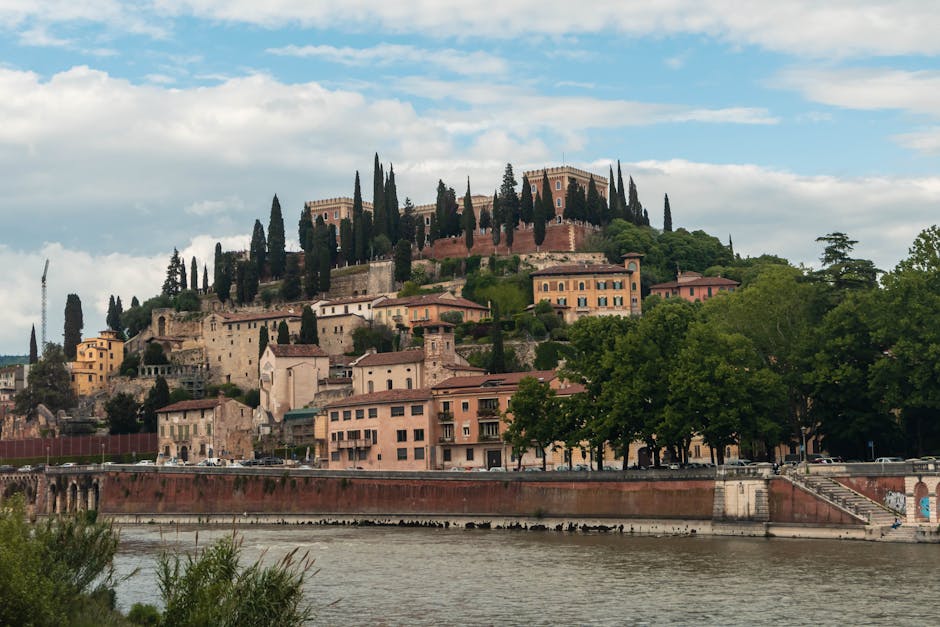
Ponte Pietra (Ponte Pietra, 37121 Verona VR): a Roman-era remnant, this arched bridge offers stunning views over the Adige and connects to the Roman Theatre and San Pietro hill. No entry fee. In winter, watch for icy patches on the cobbles; take your time to appreciate the reflections and the warm tones of the riverside houses.
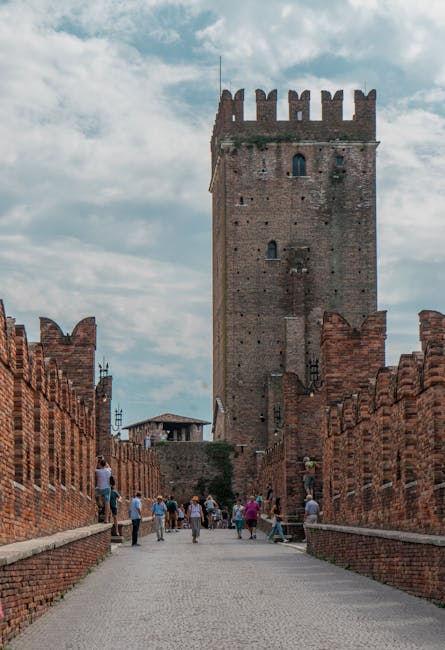
Castelvecchio and Museo di Castelvecchio (Corso Castelvecchio 2, 37121 Verona VR): this medieval museum housed in a Scaliger castle presents an art collection from the 13th to the 17th centuries. Winter hours (indicative): Tuesday–Sunday 10:00–17:30, closed Monday. Admission (indicative): full price €6–€8, reduced €4–€6. The architecture itself — ramparts, towers and fortified bridge — is worth the visit even if you only see part of the collection. The museum shop sells beautifully crafted items tied to local history.
Ponte Scaligero (Corso Castelvecchio, 37121 Verona VR): iconic for its towers and red arches, it offers dramatic perspectives over the Adige. Winter highlights the brick textures and the contrast with mist over the river. Free access; it’s also a great starting point for photographing the castle silhouette and the opposite bank.
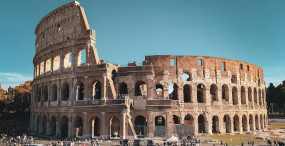
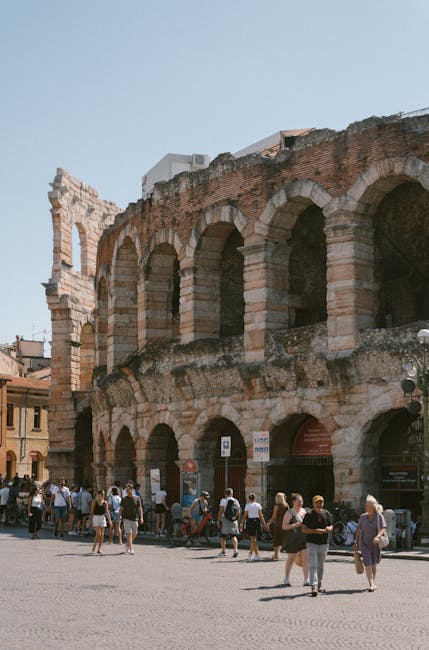
Arena di Verona (Piazza Bra 1, 37121 Verona VR): the emblematic Roman amphitheatre dominates Piazza Bra. Exterior visits are free; access to the interior and the museum depends on seasonal hours: generally 09:00–17:00 in low season. Indicative price for interior visits: around €10–€12, with reductions available. In winter, the Arena’s ochre architecture contrasts beautifully with a low sky; the piazza’s cafés are perfect for warming up after the walk.
Click here to book priority access to the Arena tour
Casa di Giulietta (Via Cappello 23, 37121 Verona VR): often busy, the house linked to the Capello family remains a must for Shakespeare fans. Typical hours: 08:30–19:30, small museum entry around €6–€8. In winter, queues are usually shorter; the courtyard, the famous balcony and the small exhibit on romantic love are worth a quick stop.
Basilica di San Zeno Maggiore (Piazza San Zeno 2, 37123 Verona VR): slightly off the direct riverside route, this Romanesque basilica is a 15–20 minute walk from the bank and offers a contemplative setting. Hours (approx.): 07:30–12:00 and 15:00–18:00 for services and public visits. Entry to the church is free; some museum areas may ask for a small donation or ticket (≈ €3–€5).
Winter Experiences: Lights, Markets, Cafés and Veronese Food
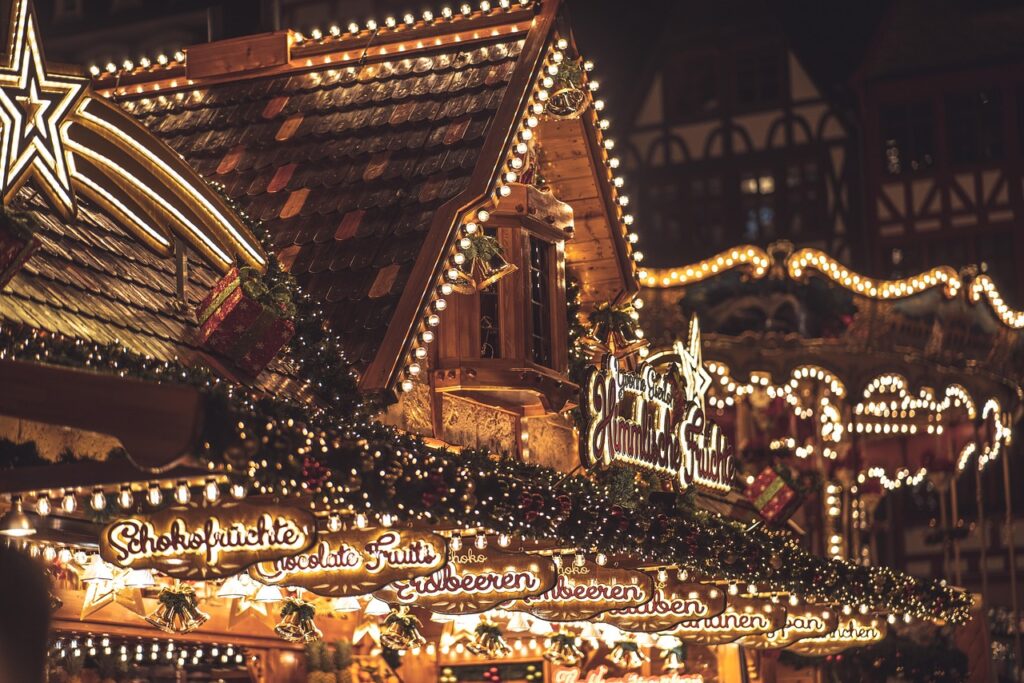
Winter in Verona often means local markets and occasional illuminations. If you’re traveling in November–December, keep an eye out for the Mercatino di Natale in Piazza dei Signori and the Christmas market on Piazza Bra: wooden chalets, local crafts and seasonal treats like mulled wine and roasted chestnuts. Indicative prices: mulled wine €3–€5 a cup, chestnuts €3–€6 depending on portion. Markets typically open between 10:00 and 20:00, though hours vary by event.
Click here to discover local specialties on a food tour
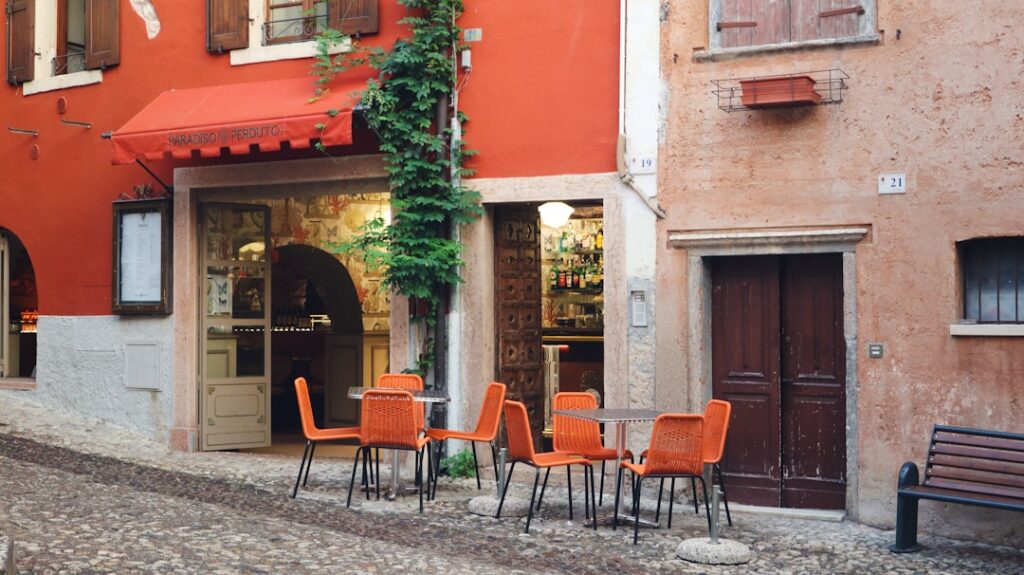
There are plenty of cafes and cozy spots along the promenade. For a classic coffee, try Caffè Borsari (Via Borsari 2, 37121 Verona VR) — central address near the Arena — where an espresso at the counter costs around €1–€1.50, while table service drinks can be €2–€4. For a heartier break, Osteria Le Vecete (Via Sottoriva 10, 37121 Verona VR) serves traditional Venetian dishes: risotto all’Amarone (€12–€18), bollito misto in season (€14–€22). Typical hours: 12:00–14:30 and 19:00–22:30; book ahead for dinner.
Click here to learn to make fresh pasta and tiramisu
Local winter specialties to try: polenta e osei (traditional polenta with toppings), pastissada de caval (Veronese beef stew) and pandoro or panettone depending on the season. Traditional trattorias usually offer winter menus around €18–€35 per person for a full meal (antipasto, primo, secondo, dessert).
For a comforting sweet treat, hunt out small family-run pastry shops in the Piazza delle Erbe area (Via Cappello, Via Pellicciai). A rich hot chocolate costs about €3–€5 — a perfect energy boost before continuing your walk along the Adige. End the evening with a performance (when scheduled) at Teatro Filarmonico (Piazza Bra 28) — check the program: tickets typically range €10 to €50 depending on the show.
Practical Local Tips: Transport, Safety, Clothing and Photography
Getting around: Verona’s historic center is largely pedestrian. Recommended parking for starting a walk along the Adige are Parcheggio Porta Palio (Piazzale Olimpia, 37122 Verona VR) and Parking Arena (Piazza G. Cesare 1, 37121 Verona VR). Parking rates: about €1.50–€2.50/hour depending on location and times. For public transport, ATV buses serve the city; a city ticket (RUO) costs about €1.50 for 90 minutes. The Verona Card (tourist pass) can be worth it: 24 hours ≈ €10, 48 hours ≈ €14 (indicative) and often includes free or reduced museum entry and transport.
Click here to buy the Verona Card with priority Arena entry
Safety and weather: in winter temperatures can dip near or below 0 °C, especially in the early morning and at night. Bring: a waterproof parka, thermal layers, gloves and a hat. Cobbles and quays can become slippery; watch for black ice and walk carefully. Emergency services use the standard Italian numbers (112 for police/assistance). Always have a map or an offline map downloaded (OpenStreetMap or Google Maps offline): mobile signal can be patchy in some spots.
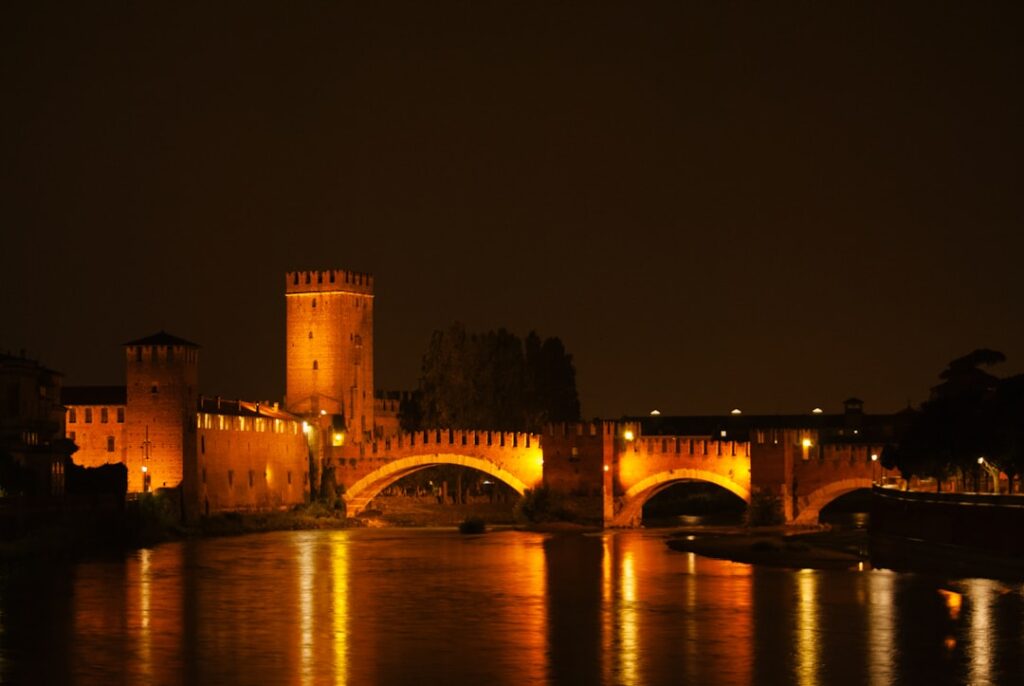
Photography: the Adige reflects beautifully at sunrise and sunset. For the best shots, aim for the golden hours (one hour after sunrise and one hour before sunset); a tripod can help for long exposures on the bridges. Respect locals’ and shopkeepers’ privacy when composing shots. Panoramas from Castel San Pietro and Ponte Pietra are ideal for wide views; then move closer for architectural details on façades and sculptures.
Money and payments: most businesses accept cards, but carry some cash (€20–€50) for local markets and small purchases. Tipping is not obligatory in Italy, but leaving a few euros for good service is appreciated.
Conclusion — Why Choose a Winter Walk Along the Adige?
A winter walk along the Adige in Verona is an experience that blends slowness and intensity: slow because the city’s pace, outside the summer tourist rush, softens and allows you to savor details; intense because every bridge, alley and square concentrates centuries of stories and imagery. Winter enhances textures — damp walls, bricks warmed by low light, shop windows’ glints and kitchen steam — transforming familiar places into almost-secret landscapes. This season gives you a chance to approach Verona differently: fewer crowds, often kinder accommodation rates and quiet moments perfect for discovery.
Practically speaking, the route described (Castel San Pietro → Ponte Pietra → Castelvecchio → Ponte Scaligero → Piazza Bra) is suitable for most walkers of average fitness and can be adjusted to suit time and mood. Cultural stops (Castelvecchio, the Arena, Casa di Giulietta) offer warm escapes into museums or cafés, while Christmas markets and local trattorias provide the culinary comfort you need to brave the cold. The addresses mentioned — Piazzale Castel San Pietro, Ponte Pietra, Corso Castelvecchio 2, Piazza Bra 1, Via Cappello 23, Piazza San Zeno 2 — give you a concrete map to plan your day.
Finally, let the atmosphere lead you: take your time, stray from overly guided routes, step into a church, push open the door of an osteria, chat with a bookseller or a market vendor. The magic of the Adige in winter reveals itself as much in the big views as in the small details — the tremor of a reflection, the smell of a simmering stew, the silhouette of a bridge in the mist. Verona awaits those willing to slow down and listen to its millennia-old stories.