





Introduction
Verona — a city of art, romance and history — is also best enjoyed by the spoon. Beyond the Arena di Verona, the Piazza delle Erbe and the narrow medieval lanes lined with slate and stone, the local pastry tradition offers a range of treats that are both simple and deeply rooted in Venetian terroir. As you wander between Juliet’s House and the Ponte Pietra, you’ll catch the buttery scent of a freshly sliced pandoro, the rustic texture of a still-warm zaeti, or the sandy crust of a Torta Russa — desserts that all tell the culinary story of the province of Verona.
This article is a tasty deep-dive into Verona’s must-try traditional desserts: historical background, sensory descriptions, tips for choosing and enjoying them on the spot, plus practical pointers on where to find them in the city. You’ll get addresses of interest (monuments and urban landmarks to help orient yourself), useful opening hours to plan your sweet breaks, and realistic price ranges so you can budget your tastings without surprises. Whether you visit Verona in winter for the Christmas markets and pandori, or in summer to stroll along the Adige while nibbling corn-flour biscuits, this piece is designed as both a sensory and practical guide.
We’ll take time to detail textures, techniques and the occasions for enjoying each dessert: some are tied to festivals (pandoro at Christmas), others are everyday coffee companions (zaeti, biscotti), while others sit on the table after a restaurant meal (slices of Torta Russa). Verona’s iconic spots — Arena di Verona (Piazza Bra 1), Piazza delle Erbe (Piazza delle Erbe, 37121 Verona), Castelvecchio (Corso Castelvecchio 2) and the Ponte Pietra (Via Ponte Pietra, 37121 Verona) — serve as handy waypoints to plan where to taste these treats and how to map your culinary route.
Finally, to make this discovery as visual as possible, you’ll find suggested photographic cues (atmosphere shots, monuments at sunset, close-ups of pastries) to help you spot scenes and products once you’re there. Get your palate ready: Verona’s sweet scene, both rustic and refined, deserves to be savored slowly.

Pandoro di Verona: the golden star of Christmas
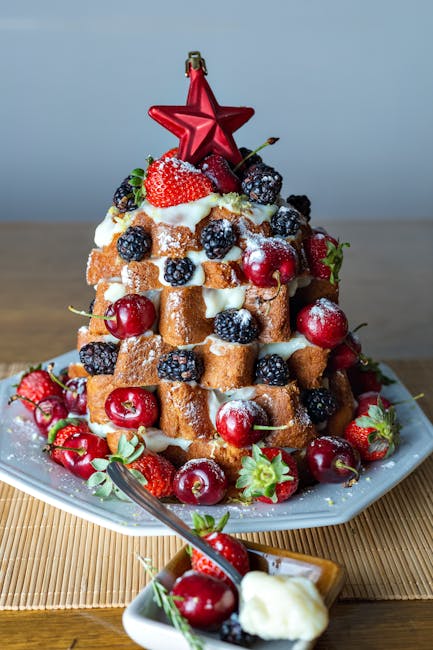
Pandoro is probably Verona’s most internationally famous dessert. Originating in the Verona area, this star-shaped cake with its airy crumb and golden crust is traditionally eaten at Christmas. The dough is rich in butter and eggs, often lightly vanilla-flavored, and it’s classically dusted with powdered sugar to evoke snow on the Dolomites. Pandoro is typically sliced vertically, into thin layers or “peeled” apart to preserve its airy texture.
Sensory description: on the nose, pandoro gives off notes of fresh butter, vanilla and sometimes a hint of alcohol (some pastry chefs brush it lightly with rum or sweet wine). The crumb is soft, almost stringy; beneath the bite you’ll notice a slight crispness from the crust that contrasts with the tender interior. Served warm, a slice of pandoro is particularly melting, often paired with an espresso, a local sweet passito wine, or whipped cream to amp up the indulgence.
When and where to enjoy it: pandoro season runs roughly from November to January, when bakeries and delicatessens in Verona sell various sizes (single portions up to large festive loaves). Price guide: single pastry slice €3.50–€6.00; small pandoro (around 500 g) €12.00–€18.00; full-size festive pandoro (1 kg) €20.00–€35.00 depending on the pastry chef and butter quality.
Practical tips: if you want to bring a pandoro home as a souvenir, choose rigid boxes and keep it in your carry-on to avoid crushing. Buy it two to three days before you plan to eat it if possible — it loses freshness quickly. In Verona, stop for a sweet break near Piazza Bra (Piazza Bra, 37121 Verona) after visiting the Arena di Verona for a very local moment.
 Click here to learn to make pasta and tiramisu in Verona
Click here to learn how to make pasta and tiramisu in Verona

Zaeti and traditional Venetian biscuits: crunchy and rustic
Zaeti (or « zàeti ») are rustic biscuits typical of the Veneto region and very common in the province of Verona. Their main ingredient is polenta (cornmeal), often combined with butter, sugar, eggs and sometimes raisins or chopped almonds. Their texture is distinctive: golden outside, sandy and slightly grainy inside, with a crumbly chew that slowly dissolves in your mouth.
History and context: zaeti come from peasant cooking, where cornmeal (introduced to Italy after the discovery of the Americas) became a staple. Using cornmeal in biscuits produced a more filling pastry that would hold up during long days of fieldwork. Today zaeti are a bakery staple, enjoyed at breakfast with coffee or on an afternoon stroll.
Sensory description: the flavor is mild, slightly buttery, with notes of toasted corn. When raisins (uva passa) or almond pieces are added, the sweet‑tart contrast and crunchy texture lift the experience. Price guide: individual biscuit €1.20–€3.00 depending on size; 200–300 g bag €4.00–€8.00 in artisan bakeries.
Practical tips: zaeti keep relatively well and are perfect for a picnic on the banks of the Adige or to accompany a visit to the Ponte Pietra (Via Ponte Pietra, 37121 Verona). The bridge offers striking views of ancient stone and the surrounding hills. For an authentic experience, buy them fresh from a local bakery in the morning — warm, they reveal an even more tender texture. If you like spices, look for versions with orange zest or fennel seeds for an extra aromatic note.
Click here to join a 1.5-hour Verona food tasting tour
Torta Russa and other local sweets: between coffee and after-dinner
Torta Russa is a pastry that has carved out a strong identity in Verona and its surroundings: slightly sandy, often decorated with almonds or pearl sugar, it appears as a light but structured cake, perfect as an individual portion or to share. Despite its evocative name (« Russian »), its origin is more linked to 19th-century European culinary trends than to Russia itself.
Where to find it and how to enjoy it: Torta Russa is ideally eaten after a traditional Venetian dinner — for example after a risotto all’Amarone (a specialty from the nearby wine region) — paired with an espresso or a glass of Moscato d’Asti for a sweet, fizzy touch. Price guide: individual slice €3.50–€6.00; whole cake €15.00–€30.00 depending on the pastry shop.
Other Verona treats to keep in mind:
- Frittelle e castagnole — fried doughnuts mostly eaten during Carnival; price per piece roughly €1.00–€3.00.
- Almond biscotti — great with a sweet local wine; bags €4.00–€9.00.
- Small pastries and artisan confectionery — in city-center pâtisseries, assortments from about €6.00.
These treats are often sold in the pâtisseries and cafés around Via Mazzini (Via Mazzini, 37121 Verona), a shopping street that links Piazza Bra to Piazza Erbe.
Practical tips: for a traditional tasting, sit at a terrace table when the weather is mild — Piazza delle Erbe (Piazza delle Erbe, 37121 Verona) provides a historic backdrop that enhances the experience. Don’t hesitate to ask the pastry chef for the production date — freshness is essential to fully appreciate these products. Finally, if you’re looking for a more « gourmet » take on these classics, look into the work of young Veronese pastry chefs who regularly reinterpret traditional recipes with a modern twist.
Click here to book a half-day Amarone wine tasting
Click here to book a half-day Amarone tasting
Tasty route: where to sample, buy and bring home Verona desserts
Planning a sweet tour around Verona can be done by linking a few of the city’s most notable points. Here are concrete steps, with indicative opening hours of the landmarks that will guide you, and tips for finding the best bakeries nearby. For a more structured version of this route, also check the gastronomic roadmap for a weekend in Verona.
Step 1 — Arena di Verona (Piazza Bra 1, 37121 Verona): the Arena overlooks Piazza Bra and its cafés. Hours: generally open daily, 08:30–19:30 (times vary by season and events). Entrance fees (arena museum and visit): €10.00–€18.00 depending on show/visit. Tip: pick up a slice of pandoro or a small bag of zaeti from the bakeries on Via Mazzini, just a short walk away.
Step 2 — Piazza delle Erbe (Piazza delle Erbe, 37121 Verona): this historic market is ideal for sampling local biscuits and watching daily life in Verona. Market hours: generally morning through early afternoon, though shops and cafés remain open all day. Tip: sit down for a coffee and a slice of Torta Russa while you admire the colorful façades and the Torre dei Lamberti (Piazza delle Erbe).
Step 3 — Ponte Pietra and the Adige riverbanks (Via Ponte Pietra, 37121 Verona): perfect for a sweet picnic. The bridge offers striking views of ancient stone and the surrounding hills. Tip: buy zaeti or dry biscuits from a local bakery and stroll along the riverbanks at sunset.
Step 4 — Castelvecchio and Museo di Castelvecchio (Corso Castelvecchio 2, 37121 Verona): after a cultural visit, treat yourself at one of the nearby cafés. Museum hours: generally 09:00–19:00 (weekly closures vary). Admission: €6.00–€9.00 depending on discounts and exhibitions. Tip: scout artisan pâtisseries around Corso Porta Borsari and Piazza Bra for homemade products.
General practical tips:
- Hours: bakeries open early (around 07:00–08:00) and often close around 19:00–20:00; some close Sunday afternoons or Monday mornings depending on the establishment.
- Prices: expect €3–€6 for a cake slice, €1–€3 for a single biscuit, €12–€30 for a whole cake based on size and the pastry chef’s reputation.
- Transport: Verona is very walkable; the historic center is compact and the main spots mentioned (Piazza Bra, Via Mazzini, Piazza delle Erbe, Ponte Pietra) are easy to reach on foot.
- Seasonal specialties: pandoro (November–January), frittelle (Carnival), drier summer biscuits suited to travel.
Click here to book a skip-the-line Arena tour
Click here to book a skip-the-line Arena tour

Local tips for a successful tasting
To get the most out of your exploration of Verona’s desserts, here are a set of recommendations drawn from local habits and many visitors’ experiences:
- Ask about freshness: artisan pâtisseries usually note the production date. Favor items made the same day, especially pandoro and soft cakes.
- Choose for the occasion: for a gift, an artisanal pandoro or an assortment of dry biscuits (zaeti, almond biscotti) is ideal; for a coffee break, pick a slice of Torta Russa or a crunchy biscuit.
- Drink pairings: espresso for biscuits; Moscato d’Asti, Recioto or another local sweet wine with richer cakes; Prosecco for a bubbly touch with dry biscuits.
- Transport and storage: put fragile items (soft cakes) in a rigid box; favor carry-on luggage to avoid shocks. Dry biscuits travel well and make excellent edible souvenirs.
- Respect the seasons: some treats (pandoro, frittelle) are mainly available during specific festivities; check ahead if you travel off-season.

Conclusion
Discovering Verona’s traditional desserts is a journey through the culinary history of a region that blends peasant rusticity with urban know-how. From pandoro, an icon of celebration and indulgence, to zaeti, witnesses of a corn-based terroir, and the subtly sandy Torta Russa, each bite tells a piece of Veronese culture. These treats are best enjoyed following a route that combines monuments and sweet stops: from the Arena di Verona to Piazza delle Erbe, via Ponte Pietra and Castelvecchio, the city offers historic settings that elevate the tasting.
Practically speaking, plan to buy fresh items the same day, favor artisan pâtisseries and adapt your choices to the season — pandoro at Christmas, fried dough at Carnival, dry biscuits for summer travel. Prices keep things reasonable compared to quality: a few euros for a slice, around a dozen or so for a whole cake to take away. Finally, let shop windows and the smell of butter and vanilla guide you; in Verona’s lanes, a sweet pause is often just around the corner.
Whether you’re a fan of traditional pastries or an inquisitive foodie, Verona will offer memorable tastes to match its monuments: a shared pandoro at sunset near the Arena, zaeti snapped on the bridge over the Adige, or a Torta Russa savored on a terrace at Piazza delle Erbe. Take your time to savor — Veronese sweetness is to be earned and shared.