




Introduction — Why Verona is a must-visit for rare art collections
Verona isn’t just the city of star-crossed lovers; it’s a real treasure trove for art lovers hunting down rare collections, cabinets of curiosities, and painting ensembles that often slip off the usual tourist radar. Sitting where the Po Valley meets the Alps, Verona accumulated Venetian, Lombard and Tuscan artistic influences over the centuries, and those layers are visible today in its museums, publicly accessible private palaces and lesser-known churches. This guide is for anyone who wants to go beyond the Arena and Juliet’s House to discover exceptional works — medieval and Renaissance paintings, sculpture collections, rare prints and decorative ensembles that tell the city’s cultural story.
In the pages that follow you’ll find a curated selection of sites — civic museums, municipal galleries and private palaces with rare art collections — complete with exact addresses, typical opening hours, admission prices in euros, immersive descriptions and practical local tips to make the most of your visit. Practical details (hours, prices) are indicative and may change with the season or for temporary exhibitions, so check official sites before you go.
This guide adopts a professional, detail-oriented tone: it explains not only what to see, but why each object or room matters, where to stand for the best photo, and how to combine visits into a coherent cultural day. You’ll also find tips for avoiding peak times, the best seasons for light in galleries (important for photographers), and suggestions to extend the experience — nearby cafés, specialist bookshops and local restoration studios.
Altogether, this guide offers a full immersion in Verona’s rare art collections, from emblematic institutions to hidden gems. Whether you’re a collector, an art historian, or a curious traveler wanting to enrich your trip with authentic artistic discoveries, the sections below will take you into a lesser-known but immensely rich Verona.
<img width="1024" height="576" src="https://ue.is/wp-content/uploads/sites/9/2026/06/castelvecchio-museum-exterior-at-sunset-verona-1024×576.jpg" class="aligncenter" alt="Sunset skyline of Verona with the Adige River, bridge, and terracotta rooftops » loading= »lazy » />
Museo di Castelvecchio — A fortress-museum of rediscovered masterpieces
The Museo di Castelvecchio (Museo Civico di Castelvecchio) is often the first stop for anyone looking to see rare art collections in Verona. Housed in the medieval Castelvecchio castle, the museum pairs 14th-century defensive architecture with rooms full of paintings, sculpture and goldsmithing. Address: Corso Castelvecchio, 2, 37121 Verona VR.
Hours (indicative): open Tuesday–Sunday, 8:30 — 19:30; closed Monday. Admission (indicative): full price ≈ €8.00; reduced ≈ €4.00; museum passes and temporary exhibitions vary (€5–15 depending on the event). Occasional free admissions: children <6, European Heritage Days (depending on the calendar).
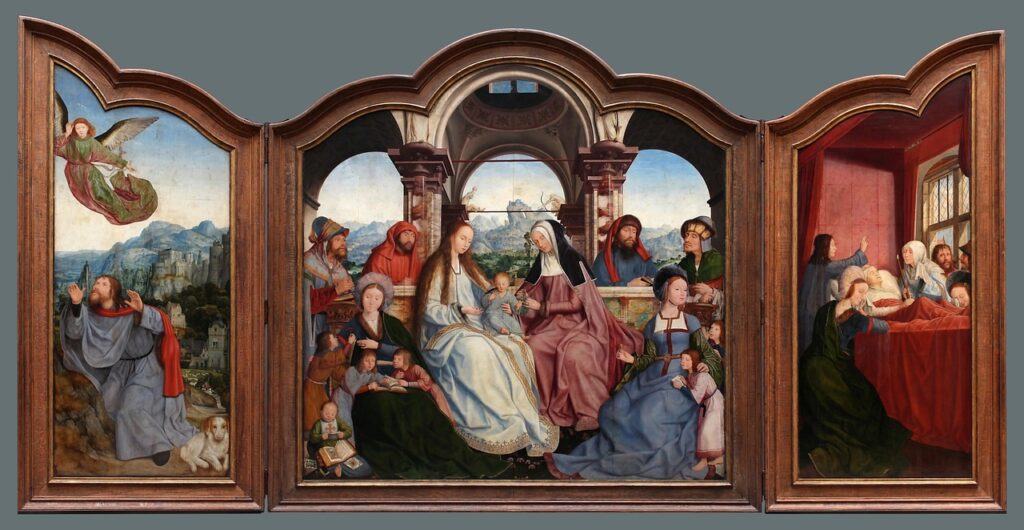
Why visit? The galleries present an important selection of Venetian and Lombard painting from the 13th to the 18th century, including rare works by masters like Pisanello, Giovanni Battista Cignaroli, and ensembles of medieval goldsmithing. The museum also stands out for its Roman sculptures and its decorated rooms that retain the fortress’s atmosphere. Highlights include polychrome Gothic panels with vibrant pigments, groups of sacred sculpture and a collection of arms and armor that recontextualize artworks as objects of power.
Practical tips: arrive early to enjoy the low-angle light in the old paintings room — natural light filters through the arrow slits creating beautiful contrasts. Take the audio guide (often included or available for a small fee) to understand the historical layering of the objects. For photographers, the inner courtyard offers a perfect architectural frame for shots without the crowds. Combine the visit with a stroll along the Adige River just below the castle.
 Click here to book a guided walking tour with skip-the-line Arena access
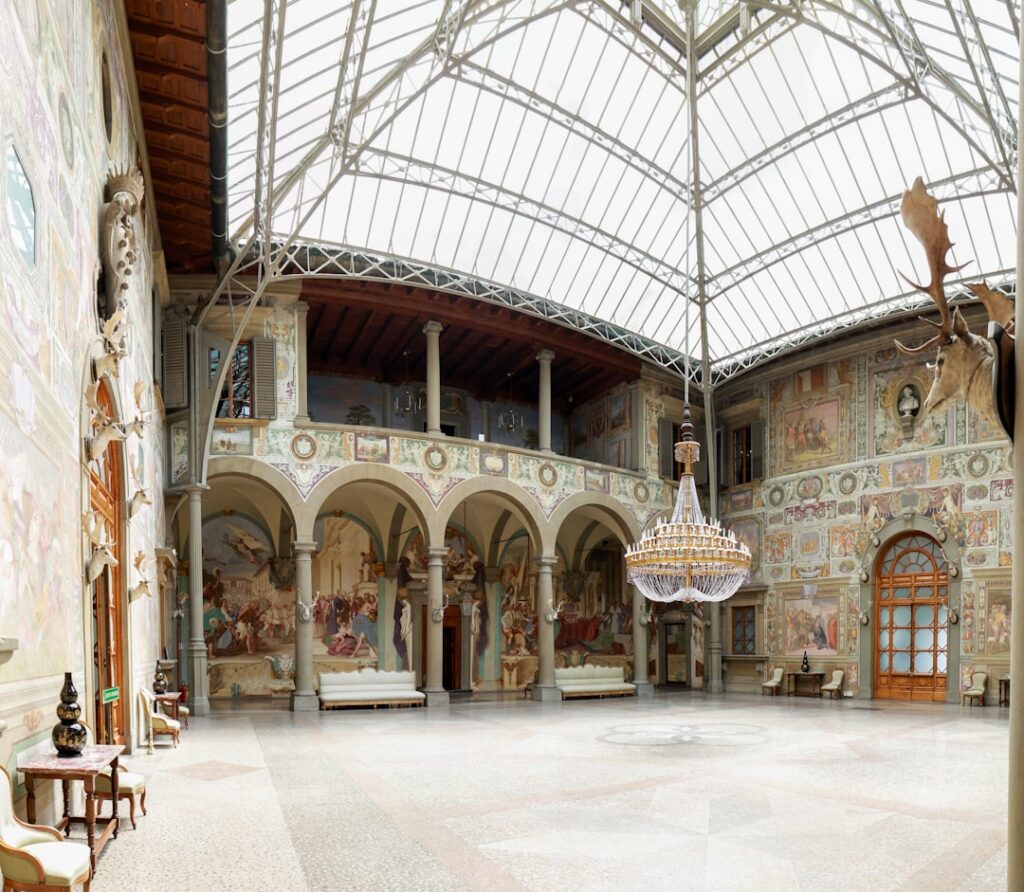
Galleria d’Arte Moderna Achille Forti and Palazzo della Ragione — Modernism in a historic setting
The Galleria d’Arte Moderna Achille Forti is where Verona showcases 19th- and 20th-century artistic developments, housed in the Palazzo della Ragione and the neighboring Palazzo Forti. Main address: Piazza Bra, 1, 37121 Verona VR (entry often via the courtyard or loggia depending on the exhibition).
Hours (indicative): Tuesday — Sunday 10:00 — 18:00; closed Monday. Admission (indicative): full price ≈ €6.00; reduced ≈ €3.00; evening openings for special events. Some temporary exhibitions require separate tickets.
Immersive description: stepping across the threshold of the Palazzo della Ragione is entering a dialogue between medieval stone and modern canvases. The exhibition rooms retain decorated ceilings and marble floors where Romantic, Symbolist and Futurist works hang. Collections include paintings, drawings, prints and sculptures by Italian and international artists, with rare pieces from the post-unification period and graphic series by modernist masters. The atmosphere is quiet — lighting is controlled to preserve the works, which creates an intimate reading of the panels.
Highlights: rarely shown preparatory drawings, original engravings on oriental papers, and small bronze sculptures from private collections. The gallery also runs lectures and themed guided tours focused on techniques (lithography, etching) — excellent for visitors who want to dive deeper into artistic processes.
Local tip: if you’re a collector or an art student, let staff know before visiting; archives by appointment sometimes allow access to technical sheets and old catalogues (prepare a written request). After your visit, climb to the palazzo terrace for a stunning view over Piazza Bra and the Arena — a striking contrast between contemporary art and Roman remains.
Click here to discover Verona’s art and legends on foot
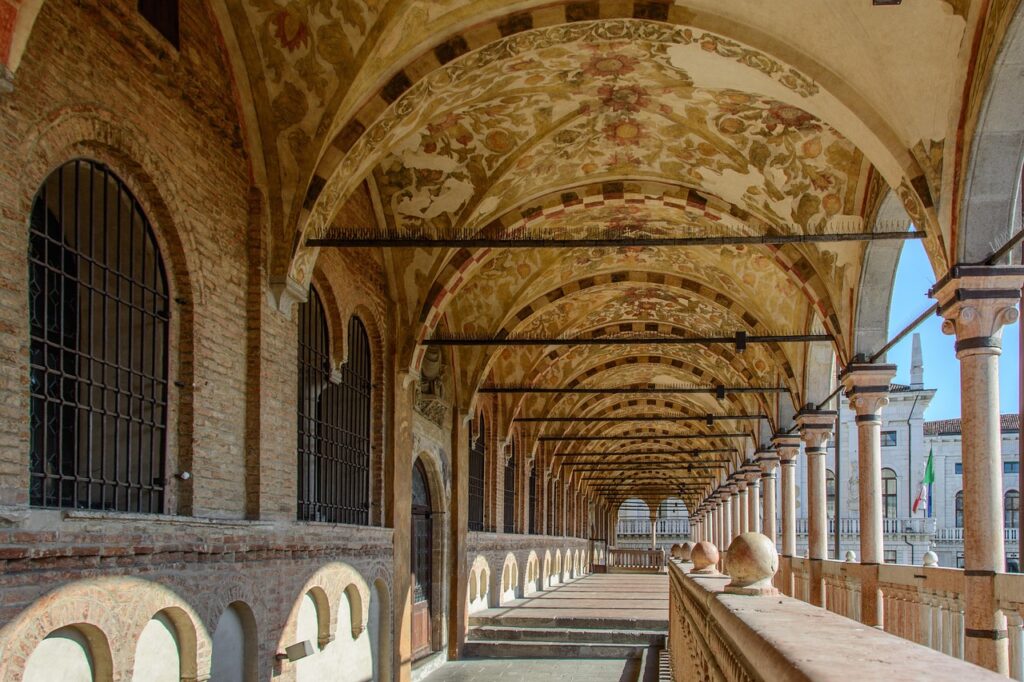
Palazzo Maffei — Antiquities and decorative art cabinets on the liveliest square
Palazzo Maffei, located on the famous Piazza delle Erbe, houses a private collection opened to the public dedicated to decorative arts and objects of curiosity: sculptures, baroque paintings, porcelains and collections of oriental objects. Address: Piazza delle Erbe, 38, 37121 Verona VR.
Hours (indicative): open daily 10:00 — 19:00 (extended hours in high season). Admission (indicative): full price ≈ €10.00; reduced ≈ €6.00; combo-tickets with other historic sites sometimes available.
Detailed description: the palace, with its baroque façade facing the Renaissance square, preserves salons and libraries where period furniture mixes with objects gathered by the Maffei family. Key pieces include ensembles of Chinese and Japanese porcelain, a small gallery of 17th-century portraits and cabinets of naturalia (rare shells, crystals) typical of Wunderkammer that appeal to lovers of decorative art and collection history. The scenography emphasizes the family’s collecting history and how tastes evolved over time.
Recommended experiences: book a themed guided tour (« The Collector’s Tour ») if available — these explain provenance, trade routes and restoration work undertaken by the palace. The palace shop offers reprints of catalogues and replicas of objects, useful for research or as high-quality souvenirs.
Click here to reserve fast-track entry to Juliet’s House with audio guide
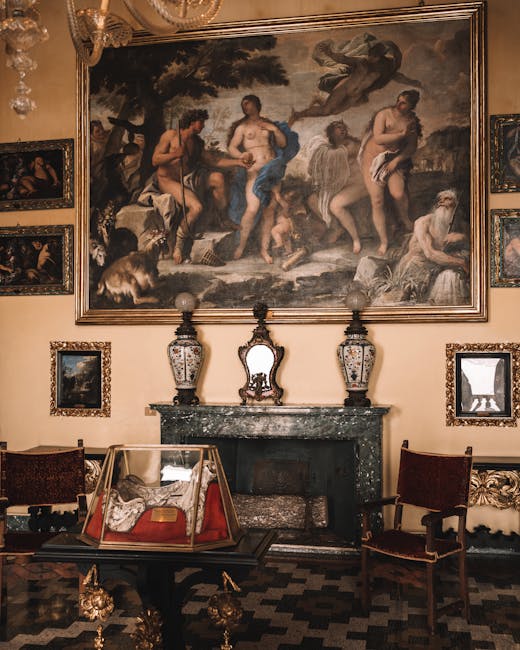
Lapidario Maffeiano and lapidary museums — Stones, inscriptions and rare fragments
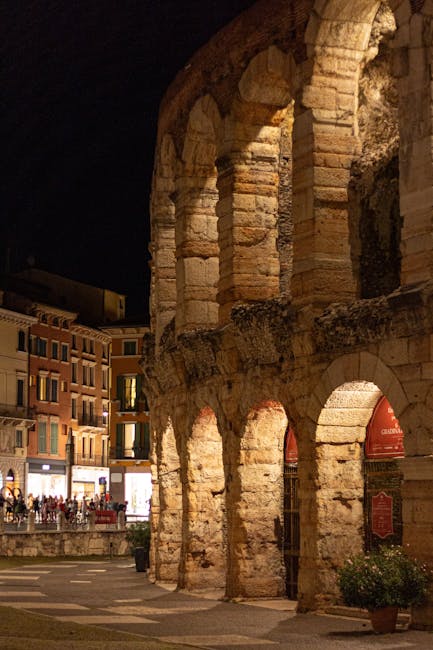
The Museo Lapidario Maffeiano is an example of a rare collection dedicated to epigraphy and ancient fragments. Located opposite the Arena, it offers a deep reading of Verona’s Roman and pre-Roman past. Address: Piazza Bra, 28, 37121 Verona VR (immediately close to the Arena).
Hours (indicative): Tuesday — Sunday 10:00 — 18:00; closed Monday. Admission (indicative): full price ≈ €5.00; reduced ≈ €3.00; combined tickets with the Museo Civico possible.
Immersive description: the lapidary displays stelae, Latin inscriptions and bas-relief fragments that trace public and private uses of writing in Verona during the Roman Empire. The value here lies not in grandiosity but in documentary rarity: unique funerary inscriptions, religious texts and fragments of local laws. For art historians and epigraphists, these stones are direct witnesses to social and artistic practices — letter engravings, decorative motifs and tool marks are clues to past local workshops.
Practical tips: bring a magnifying glass if you’re working on epigraphy (study rooms sometimes lend equipment on request), note block references to request photographic reproductions from the archives, and pair the visit with the city’s archaeological museum to better contextualize the objects. Early morning visits let you appreciate the light on limestone surfaces and get reflection-free photos.
Chiesa di San Fermo Maggiore and hidden frescoes — A museum within a church
The Chiesa di San Fermo Maggiore isn’t a conventional museum, but it contains cycles of frescoes and pictorial works of great rarity, often overlooked by tourist circuits. Address: Via San Fermo, 28, 37121 Verona VR.
Hours (indicative): generally open daily 9:00 — 12:30 and 15:00 — 18:00; hours may vary for religious services. Entry: suggested donation ≈ €2.00 — €5.00 for upkeep (variable).
Immersive description: the church’s double structure — with a lower and upper church — hides surprises: chapels adorned with medieval frescoes and restored altarpieces. Some works, like icon panels and 15th-century narrative compositions, survive in remarkable condition thanks to local restoration campaigns. The atmosphere is intimate and contemplative; shafts of light through old stained glass make pigments and remaining gilding stand out.
Local tips: plan a visit after the morning mass to enjoy relative quiet. If you’re particularly interested in conservation, ask the rector about ongoing restoration projects — local conservators sometimes offer dedicated small-group visits. Photographing inside may require permission; respect signs and the hush of the place.
Click here to book an art restoration workshop with an expert
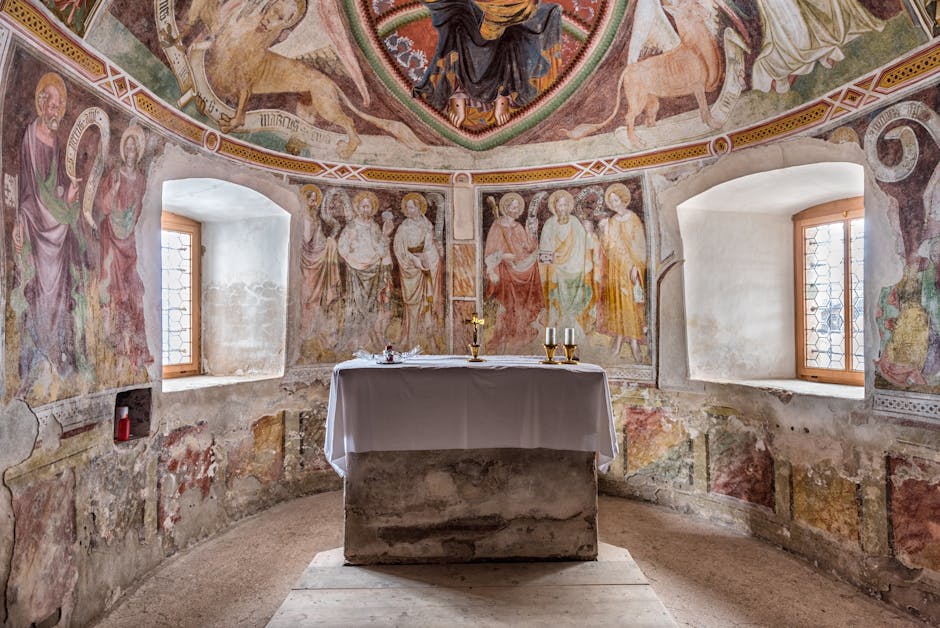
Practical tips for crafting an itinerary and preserving the experience
Visiting Verona’s rare art collections takes a bit of planning to get the most out of each site and to respect institutional constraints. Here are practical local tips to plan your route:
- Booking and opening hours: many small museums or private palaces require advance booking, especially in high season (April — October). Check official sites or call the contact number before you go.
- Combo tickets: look for « combinazioni » or combined tickets between municipal museums (Castelvecchio, Lapidario, Palazzo Forti) — they often offer discounts and let you visit multiple sites in one day.
- Best times: favor early morning (at opening) or late afternoon to avoid tour groups. For church museums, the morning after mass is often the calmest period.
- Transport: Verona’s historic center is very walkable. Public car parks near Porta Nuova station and key squares (e.g. Parcheggio Arena, Piazza Bra) make convenient starting points. Taxis and local services (V-RIDE) are useful for connecting more distant sites quickly.
- Photography and conservation: follow photo rules — some museums prohibit flash to preserve pigments. Ask permission for commercial use.
- Food and cultural breaks: to recharge between visits, favor historic cafés like Caffè Dante (Piazza delle Erbe) or small osterie offering cicchetti and a good glass of Amarone.
- Languages and guides: hire a local English-speaking guide if you want deep historical context on the collections; municipal curators also run themed Italian tours with summaries in English.
Click here to purchase the Verona City Card with Arena entry
Conclusion — Taking Verona home in your artistic memory
Verona, with its compact historical layers in a pedestrian-friendly urban space, offers visitors a rich and often intimate artistic experience. The rare art collections spread across civic museums, private palaces and churches form a network of artistic narratives where each place contributes a piece to the city’s cultural history. Museo di Castelvecchio introduces medieval grandeur and rediscovered masterpieces; Galleria d’Arte Moderna Achille Forti shows the shift in pictorial sensibilities in the 19th and 20th centuries; Palazzo Maffei reveals the private worlds of collectors; the Lapidario Maffeiano lets you listen to the voice of stones and inscriptions; while churches like San Fermo preserve frescoes and altarpieces within a living spiritual context.
Beyond checklists, this guide emphasizes the visitor’s attitude: take your time, observe closely, respect the sites and be curious about provenance stories. Rare collections rarely surrender themselves to a single glance; they require time to be understood — time to study a craquelure, read a Latin inscription, or enter the silence of a chapel. Practically, plan your days to pair a major site with a quieter discovery nearby; many institutions now offer educational activities (workshops, lectures, archive presentations) that deepen the visit.
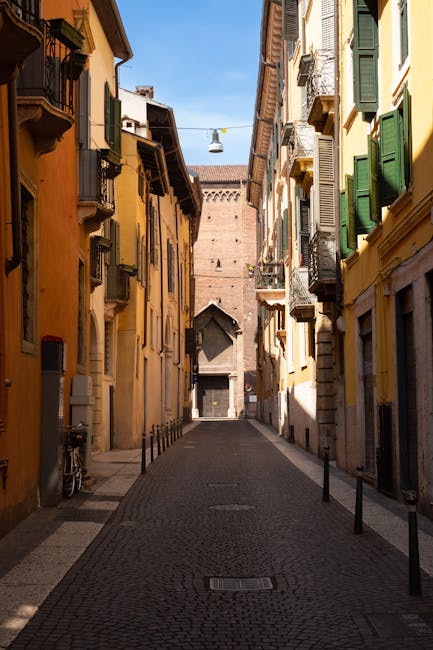
Finally, delight in extending the experience beyond museum walls: stroll the Adige at sunset, leaf through catalogues in specialist bookshops in the center, and savor local cuisine in an osteria to come back down to earth after art’s heights. Verona is a city where every cobblestone can point to an artistic story — approach it with patience and curiosity and you’ll leave with both a richer visual memory and strong images of the rare art collections you discovered.