





Introduction
Verona, a jewel of the Veneto tucked along the banks of the Adige, is a city where every cobblestone tells a story. Famous for its Roman heritage, bustling squares and Shakespearean atmosphere, Verona is perfect for a culturally rich weekend. From ancient amphitheaters and medieval palaces to curated museums and Renaissance gardens, the city offers a compact itinerary that blends historical discovery with leisurely strolls. This guide gives you a detailed two-day plan, practical information (addresses, opening hours, prices in euros) and local tips to make the most of 48 hours in Verona.
A cultural weekend in Verona is more than just ticking off monuments: it’s a gradual immersion through overlapping historical layers — Roman remains at the feet of medieval facades, Renaissance frescoes hidden in quiet churches, and urban perspectives unfolding from the towers. The city’s cultural density is ideal for a short stay: main sites are close together, allowing you to mix guided tours, free time and gastronomic breaks. Below you’ll find full descriptions of the main museums and monuments, exact addresses, current entrance fees, typical opening hours and practical local tips to optimize your visit.
Whether you love archaeology, architecture or European history, Verona delivers immersive experiences. The famed Arena di Verona retains a unique aura even when toured outside performance hours. Casa di Giulietta, though touristy, still offers a mythical moment when you visit the balcony and inner courtyard. Art lovers will appreciate the Museo di Castelvecchio’s collection of medieval and Renaissance paintings and sculptures set inside a fortified castle. And if you want to escape the crowds, the Giardino Giusti provides a classic Italian green retreat — perfect for a meditative break after a morning of sightseeing.
This guide is organized into themed sections — iconic monuments, unmissable museums, walking routes and practical tips — each detailed so you can plan your weekend without surprises. Prices and opening hours reflect typical information at the time of writing; keep in mind they can change with the season or special events. Finally, you’ll find suggested images to inspire and help you visualize the sites before you go. Pack comfortable shoes, your camera and your curiosity: Verona is ready to welcome you for a memorable cultural weekend.
 Click here to book your guided tour of the Arena and the city

Arena di Verona and the ancient heart: Piazza Bra, the Arena and the Roman Theatre
The Arena di Verona is arguably the city’s most iconic monument. Located on Piazza Bra, it’s a remarkably well-preserved Roman amphitheater that has hosted spectacles since ancient times and today stages major operas and concerts. Exact address: Piazza Bra, 1, 37121 Verona VR, Italy. For sightseeing (outside performance times) you can access the arena floor and certain interior areas.
Entrance fee: Arena Museum / Arena Tour ticket: €10.00 (standard indicative rate). Note that tickets for opera performances and events vary widely depending on the production; prices can start from €15.00 for distant seats and rise to several hundred euros for the best boxes during major productions.
Opening hours (self-guided visits): generally daily from 08:30 to 19:30, but hours may change during performances. For shows, check the official calendar of the Fondazione Arena di Verona.
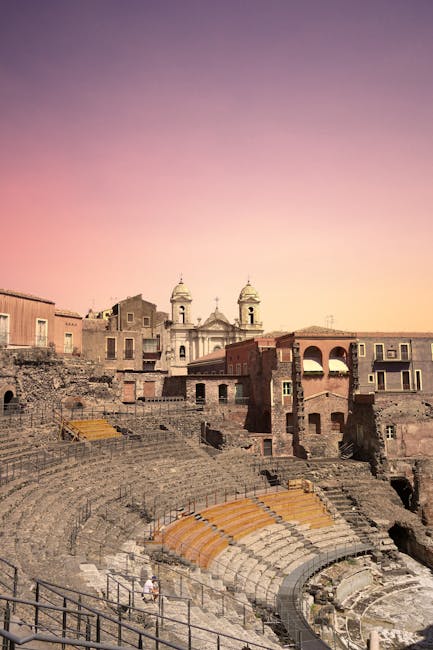
Just steps from the Arena, Piazza Bra itself is a lively urban space: outdoor cafés, palm trees and the equestrian statue of Vittorio Emanuele II. Following the Adige westward brings you to the Teatro Romano and the Museo Archeologico al Teatro Romano (Address: Via Teatro Romano, 2, 37121 Verona VR, Italy), where you can explore Roman life in the ruins and see artifacts unearthed on site.
Museo Archeologico al Teatro Romano ticket price: €10.00 (combined theatre + museum ticket, standard indicative rate). Opening hours: typically daily from 09:00 to 19:00, closed on Mondays (check for public holidays and seasonal changes).
Practical tips: arrive early to avoid the crowds at the Arena, especially in high season (June to September). If you want to attend a performance, book tickets weeks or even months in advance for popular opera nights. For the Teatro Romano, aim for a late afternoon visit when the light brings out the textures of the stone and offers great photo opportunities. Consider buying a combined ticket if you plan to visit several archaeological sites to save money.
Click here to book priority access to the Arena visit

Casa di Giulietta, Piazza delle Erbe and Torre dei Lamberti: romance and panoramas
The romantic Verona we associate with Romeo and Juliet centers around the Casa di Giulietta and Piazza delle Erbe. Casa di Giulietta, at Via Cappello, 23, 37121 Verona VR, Italy, is a small museum housed in a medieval building with the famous balcony attributed to Juliet. The inner courtyard lets visitors touch the statue of Juliet and pin love notes on the walls — a lively tourist ritual.
Entrance fee: Casa di Giulietta: €6.00 (standard indicative rate). Hours: generally daily from 08:30 to 19:30. The courtyard is freely accessible, but entry to the museum and balcony is included with the paid ticket.
Just a few steps away is Piazza delle Erbe, the former Roman market square that became the beating heart of the medieval city, lined with colorful facades, the Madonna column and small artisan shops. The square is especially lively in the mornings when market stalls are set up and locals mingle with visitors.
For a spectacular view, climb the Torre dei Lamberti (Address: Piazza delle Erbe, 2, 37121 Verona VR, Italy), the medieval tower that dominates the square and offers a 360° view over Verona’s rooftops and the Adige. You can walk up by stairs or use the elevator for part of the ascent.
Torre dei Lamberti ticket price: €8.00 (standard indicative rate). Opening hours: typically daily from 10:00 to 18:00 (extended in summer until 20:00; check seasonally).
Practical tips: Casa di Giulietta attracts big crowds around midday; plan your visit early in the morning or late afternoon for a calmer experience. At Piazza delle Erbe, try a focaccia or an espresso at one of the small cafés to feel the local rhythm. For Torre dei Lamberti, bring a wide-angle lens: the viewpoint reveals Verona’s urban geometry. Combine the tower climb with a stroll through the square and a visit to Casa di Giulietta to make the most of your time.
Click here to book your skip-the-line ticket for Juliet’s House
Museo di Castelvecchio and Castelvecchio Bridge: art and fortress
The Museo di Castelvecchio is one of Verona’s most important art museums, housed in the medieval castle of the same name. Address: Corso Castelvecchio, 2, 37121 Verona VR, Italy. The building, built in the 14th century and restored in the 20th, is a visit in itself: battlements, inner courtyards and views of the Adige via the spectacular Ponte Scaligero (Castelvecchio Bridge).
The collection includes paintings, sculptures and arms spanning the Middle Ages to the Renaissance. Highlights include works by Pisanello, Giovanni della Robbia and painted panels from local churches. Galleries are arranged to emphasize the dialogue between military architecture and sacred art.
Museo di Castelvecchio ticket price: €6.00 (standard indicative rate). Opening hours: generally Tuesday to Sunday from 08:30 to 19:30, closed on Mondays (check holidays and special hours).
The adjacent Ponte Scaligero provides incredible photo opportunities: its crenellated towers occasionally reflect in the Adige, creating picturesque images at sunset. Allow time to cross the bridge and return to visit the museum at different times of day for changing light conditions — a treat for photographers.
Practical tips: buy your ticket online if possible to skip the line, especially in high season. Audio guides or themed guided tours (medieval sculpture, arms and armor, restoration) add context to the major pieces. If you have a regional museum pass (sometimes offered by the city), check whether Castelvecchio is included — it can save you a significant amount if you plan to visit multiple museums.
Click here to book a guided tour of Verona’s highlights
Basilica di San Zeno, churches and sacred routes
The Basilica di San Zeno Maggiore is considered one of the finest examples of Romanesque architecture in northern Italy. Address: Piazza San Zeno, 2, 37123 Verona VR, Italy. Its austere façade, sculpted portals and richly decorated interior (altarpieces, frescoes and a magnificent triptych historically attributed in some sources to Andrea Mantegna) make San Zeno a must for lovers of sacred art.
Entrance fee: access to the basilica as a place of worship is generally free, though small contributions are requested to visit certain areas such as the crypt or temporary exhibitions (€2.00 to €5.00, depending on the space and exhibit). Opening hours: the basilica is open for visiting and prayer daily from 08:30 to 12:30 and from 14:30 to 18:30, with Mass times varying; check on site for organ concerts and special guided visits.
Around San Zeno, other historic churches are worth a detour, notably the Cattedrale di Santa Maria Matricolare (Duomo di Verona) (Address: Piazza Duomo, 17, 37122 Verona VR, Italy) and the Chiesa di San Fermo Maggiore (Address: Via San Fermo, 1, 37121 Verona VR, Italy), each offering fresco cycles, altarpieces and architectural styles ranging from Romanesque to late Gothic.
Practical tips: to fully appreciate the churches, visit during quieter times (late morning or mid-afternoon) to observe architectural and iconographic details without the pressure of services. Respect dress codes (shoulders covered, no very short shorts) and avoid flash photography in sacred spaces. If you’re an organ enthusiast, look into evening concerts: many churches host recitals that create a unique atmosphere.
Click here to discover Verona’s historic center on foot

Giardino Giusti and Renaissance walks: gardens and secret views
For an elegant green break, the Giardino Giusti is a refined example of the Italian garden. Address: Via Giardino Giusti, 2, 37129 Verona VR, Italy. Created at the end of the Renaissance, these privately designed gardens now open to the public feature geometric paths, a rich collection of statues, clipped hedges and panoramic viewpoints over the city. There’s also a historic villa and artificial grottos that give the stroll a theatrical flair.
Entrance fee: Giardino Giusti: €7.00 (standard indicative rate). Opening hours: generally daily from 09:00 to 18:30 (extended hours in summer; check seasonally).
The gardens are ideal to close out a morning of sightseeing or to spend a quiet hour reading in the shade, away from the city’s tourist buzz. From the upper terrace, the view of Verona is particularly lovely at sunset when rooftops take on warm tones and the silhouette of the Arena stands out.
Practical tips: paths are gravel and there are steps; wear comfortable shoes. For a more intimate experience, arrive at opening time. Local guides sometimes offer themed tours (botanical history, sculptures and symbolism), which are helpful to better understand Renaissance garden design. Pair the Giardino Giusti visit with a walk along the Adige’s banks to round out the landscape experience.
Click here to book an e-bike tour with panoramic views

Practical tips for planning your cultural weekend
Logistics: Verona is compact; most of the sites mentioned are within a 15–25 minute walk from Porta Nuova station or reachable by short local bus routes. Station address: Viale del Piave, 2, 37138 Verona VR, Italy. For museum passes, look into the Verona Card or combined tickets offered by local tourist offices — these can include entry to multiple museums and the Torre dei Lamberti climb.
When to go: high season (May to September) offers ideal weather but more crowds; spring and autumn (April, May, September, October) are perfect for a balance of mild climate and moderate visitor numbers. In winter many churches and museums remain open and the city takes on a more intimate feel, although some sites may have reduced hours.
Budget and shopping: plan for roughly €60–100 per person for a basic cultural weekend including entry to two main museums, a guided tour, meals and local transport (excluding accommodation). Entrance fees vary; here’s an indicative summary: Casa di Giulietta €6.00, Museo di Castelvecchio €6.00, Torre dei Lamberti €8.00, Museo Archeologico + Teatro Romano €10.00, Giardino Giusti €7.00, Arena Museum €10.00. These rates may change — always check official sites before you travel.
Transport and accessibility: the historic center is largely pedestrian and paved; heavy luggage and strollers can be awkward. Many museums have partial accessibility with lifts or ramps, but towers (like Torre dei Lamberti) often involve stairs or observation platforms with limited access. Check in advance if you have specific needs.
Food and breaks: for authentic stops, taste local Venetian-Vergilian dishes — risotto all’Amarone (risotto made with Amarone wine), pastissada de caval (traditional stew), seasonal gnocchi di malga — and finish with tiramisu or panna cotta with a coffee. Markets around Piazza delle Erbe sell fresh produce and local cold cuts for an impromptu picnic. Also enjoy an aperitif on a terrace in the evening: a local spritz, served in many bars, is the perfect way to cap off a day of sightseeing.
Click here to buy the Verona City Card with priority entry
Suggested 48-hour itinerary
Day 1 – Morning: start at the Arena di Verona (Piazza Bra, 1) to admire the exterior and visit the Arena Museum if you wish (indicative price €10.00, open 08:30–19:30). Then head to Piazza delle Erbe and Casa di Giulietta (Via Cappello, 23, entrance €6.00, open 08:30–19:30) to soak up the romantic atmosphere and explore the courtyard.
Day 1 – Afternoon: climb Torre dei Lamberti (Piazza delle Erbe, 2, €8.00, 10:00–18:00) for a full panorama, then cross Ponte Scaligero and visit Museo di Castelvecchio (Corso Castelvecchio, 2, €6.00, 08:30–19:30) for medieval art and fortress architecture.
Day 2 – Morning: explore the Teatro Romano and Museo Archeologico (Via Teatro Romano, 2, combined ticket €10.00, 09:00–19:00) then stroll along the banks of the Adige. Afterwards, spend time at the Basilica di San Zeno (Piazza San Zeno, 2) to admire Romanesque architecture (free entry with optional contributions for the crypt).
Day 2 – Afternoon: finish with a relaxing visit to Giardino Giusti (Via Giardino Giusti, 2, €7.00, 09:00–18:30), climb to the terrace for a final city view, then return to the center for dinner and, if the schedule allows, a concert or performance at the Arena.
Extra tip: adapt the itinerary to the opening hours of temporary exhibitions or concerts. Book performance tickets in advance and always leave time to wander — the best discoveries often happen off-schedule.
Click here to book a skip-the-line walking tour for the Arena
Conclusion
A cultural weekend in Verona strikes a rare balance between grand monuments, rich museums and intimate walks. In two days you can absorb Roman history at the Arena and Teatro Romano, feel the popular romance at Casa di Giulietta, admire masterpieces at Museo di Castelvecchio, and savor the calm of a Renaissance garden at Giardino Giusti. The addresses and hours in this guide let you plan pragmatically, while the prices in euros give a clear idea of the budget for the main cultural visits.
Practical tips — arrive early, book performances, combine nearby sites on foot, enjoy terraces and markets — will help you make the most of your time and experience Verona beyond clichés, discovering its corners and moods. Remember that the city is lived through the senses: the smell of morning coffee on Piazza delle Erbe, the light gilding the stone of Ponte Scaligero at sunset, or the hush of a medieval basilica. Those moments perfectly complement museum visits and create lasting memories.
Before you leave, always check official hours and ticket availability (particularly for the Arena and temporary exhibitions), bring footwear suitable for cobbles and stairs, and leave room to wander. Verona reveals its treasures to those who take the time to look. Enjoy your cultural journey — and savor every viewpoint, artwork and alley that make this Italian city so singular.