





INTRODUCTION
Verona is a city that moves between imperial history, open-air opera and medieval lanes steeped in romance. In just 48 hours you can see the essentials of this UNESCO-listed town: its fortifications, cobbled squares, bridges over the Adige and, of course, the must-see Arena di Verona. This condensed itinerary aims to give you a full immersion — combining cultural visits, relaxed walks away from the crowds and solid local tips — while also providing practical information: exact addresses, opening hours and prices in euros.
Verona lends itself to an easygoing pace: mornings are ideal for visiting monuments before the tourist wave arrives, afternoons are perfect for wandering markets and small shops, and evenings are best spent with an aperitivo on a terrace or at a performance in the Roman amphitheater. To make the most of this programme in only two days you’ll need to prioritise — and know when to buy tickets, where to park, and how to navigate a compact but dense map. The sections below follow a logical route: day one focuses on Castelvecchio and the historic centre, with an evening at the Arena and Piazza Bra; day two explores the lanes, bridges and the tucked-away Giardino Giusti; finally, a roundup of practical tips to optimise your stay.
Throughout the article you’ll find detailed recommendations: full addresses (for your GPS), typical opening hours (always check for seasonal closures or special events), average prices in euros (subject to change for temporary exhibitions or concerts) and local tips (best photo times, rainy-day alternatives, neighbourhood restaurants). Image markers indicate the most photogenic viewpoints to capture Verona. Lace up comfortable shoes: these 48 hours will be full-on, but they’ll leave you feeling like you’ve truly met Verona’s soul.

Day 1: Castelvecchio, Bridges and Museums — Verona’s Fortified Past
Start your morning at the Museo di Castelvecchio, housed in the impressive Castelvecchio — a medieval castle turned museum of art and arms. Address: Piazza Castelvecchio 2, 37121 Verona. Built in the 14th century by the Scaliger family, the castle overlooks the north bank of the Adige and is easy to spot thanks to its fortified bridge, the Ponte Scaligero. The museum displays Renaissance paintings, sculptures, historic weapons and ceramics, offering a rich overview of the region’s artistic past.
Typical hours: Museo di Castelvecchio — usually open from 8:30 to 19:30 (may be closed on Mondays depending on the season). Price: around €7.50 for a full ticket (reduced rates for young people and groups). Allow 1½ to 2 hours if you want to explore the main rooms and linger on the terrace overlooking the Adige.
After the visit, cross the Ponte Scaligero for spectacular views of the fortress’s red towers and their reflections in the water. The bridge is an excellent photo spot at sunset when the stone warms and the light turns golden. From the bridge you can head down to the San Zeno neighbourhood if time allows, or return to the historic centre following the river.

Practical tip: the museum often offers audio guides in multiple languages; if you’re short on time, focus on the rooms dedicated to Venetian painting and the armoury for a representative overview. Also pack good walking shoes — the cobbles and medieval stairways force a slower pace.
Nearby itinerary
- Basilica di San Zeno Maggiore — Piazza San Zeno, 2, 37123 Verona. Hours: 8:30–12:00 and 15:00–18:30. Basilica entry: free; adjacent museum usually costs ~€3–5.
- Ponte Pietra — stroll to this Roman bridge for another striking view of the Adige and the old city.
Day 1 Evening: Arena di Verona, Opera and the Vibe of Piazza Bra
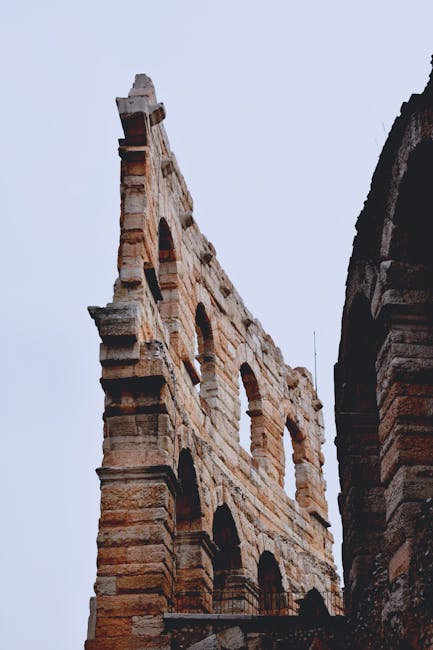
No trip to Verona is complete without the Arena di Verona — the Roman amphitheatre that hosts one of the world’s most famous opera festivals every summer. Address: Piazza Bra, 1, 37121 Verona. Built in the 1st century, the Arena impresses with its size and natural acoustics. Even if you don’t attend an opera, an interior visit is worth it to grasp the scale and engineering of the ancient structure.
Tourist opening hours: usually 9:00–19:00 (extended in high season, reduced during event mornings). Price: interior visit tickets are typically around €10–12 for a standard ticket; reduced rates for students and seniors. If you go to a performance, prices vary wildly — from €20 for high seats to several hundred euros for central boxes on big nights. Book in advance for summer shows.
After the visit, grab a seat on a terrace at Piazza Bra, the large square in front of the Arena, for an aperitif. Cafés and restaurants around the square are lively: order a spritz (the local aperitif) and sample a board of local cheeses and cured meats. Tip: avoid the restaurants right next to the Arena if you’re after value — head two or three streets away for more authentic menus and better prices.
Night photo tips: the Arena lights up with a warm yellow glow at dusk; the best shots are from the north corner of Piazza Bra or by stepping back onto Via Mazzini to include façades and the crowd. If you’re attending an opera, bring some change for a cloak or refreshments — evenings can be cool even in summer.
 Click here to book your skip-the-line Arena tour
Day 2: The Old Town Lanes, Juliet’s House and Views from Torre dei Lamberti
Start day two with a dive into the Erbe quarter, Verona’s medieval heart. Wander around Piazza delle Erbe, where painted façades and market stalls create a lively atmosphere. Market address: Piazza delle Erbe, 37121 Verona. You’ll find local produce, handmade souvenirs and historic cafés. From the piazza, make your way to the famous Casa di Giulietta (Via Cappello, 23, 37121 Verona) — often crowded with visitors hunting for the mythical balcony.
Casa di Giulietta offers a modest museum visit and access to the courtyard with the balcony. Hours: generally 8:30–19:00; price: about €6 to enter. Keep in mind that the house is a mixture of literary legend and medieval heritage; the Romeo and Juliet story has been heavily marketed here, so the visit remains very touristy. To avoid the crowds, arrive early in the morning or later in the afternoon.
Click here to book your skip-the-line ticket for Juliet’s House

Then climb Torre dei Lamberti for an outstanding panorama over Verona’s rooftops. Address: Via della Costa, 1, 37121 Verona. Hours: usually 10:00–18:00 (extended in summer). Price: around €8–10 for the ascent (partial elevator available). The summit offers a 360° view including the cathedral, the Arena and the Adige — a perfect spot to orient yourself for the day.
Practical tip: combine Torre dei Lamberti with a guided walking tour of the centre to get historical context and local anecdotes. Guides often point out things that rush-hour visitors miss: vanished frescoes, stories of patrician families and how the squares evolved over centuries. For photographers, seek out terracotta roofs and old shop signs; early morning light sharpens textures and colours.
Click here to join a walking tour of Verona and the Arena
Day 2 Afternoon: Ponte Pietra, the Lungadige and the Secret Garden Giardino Giusti
After lunch head to Ponte Pietra, one of the city’s oldest Roman bridges — address: Ponte Pietra, 37121 Verona (free access). From there follow the lungadige (the Adige riverside promenade) for a relaxing walk toward the San Giorgio area. Along the bank you’ll find several photogenic angles of monuments mirrored in the water, especially on calm days.

To cap off the afternoon, visit Giardino Giusti (Via Giardino Giusti, 2, 37129 Verona), a Renaissance garden famed for its formal alleys, box hedges maze and sweeping views over the city. Hours: generally 9:00–19:00 (varies by season). Price: around €7–8. The garden is a place of calm and perspective: climbing the terraces reveals quiet viewpoints and classical sculptures.
Practical tips: Giardino Giusti is perfect for a contemplative pause after the busier streets of the centre. Bring a water bottle and a hat in summer — much of the paths are in full sun. It’s also a lovely spot for a snack, with sandwiches and pastries bought in town. Note that some sections are protected to preserve the planting; respect any restricted areas.
Food, Where to Stay and Practical Tips for an Optimised 48 Hours
Verona’s culinary scene is varied: regional antipasti, risotto all’Amarone (risotto made with the local Amarone della Valpolicella wine), and desserts such as pandoro (a Veronese specialty). For a quick and tasty lunch look for trattorie and osterie on the streets off Via Mazzini; for a proper Italian dinner book a table in San Zeno or around Via Sottoriva. A few recommended spots (options for different budgets):
- Osteria Le Vecete — Via Pellicciai, 3, 37121 Verona. Traditional Venetian cuisine, main courses around €12–18.
- Trattoria al Pompiere — Via S. Marco, 2, 37121 Verona. Meat specialties and local wines, menus around €20–35 per person.
- Ristorante 12 Apostoli — Vicolo Samaritana, 3, 37121 Verona. More refined dining, dishes €25–45.
Accommodation: for two nights favour a central location (Centro storico / Piazza Bra) to save travel time. Options include charming hotels around Piazza delle Erbe or B&Bs in the lanes near Via Mazzini. If you’re driving, note that the historic centre has a ZTL (restricted traffic zone) — access is regulated and fines are common. Park on the outskirts in an official car park (e.g. Parcheggio Centro Storico – Arena, Via Pallone) and walk into town.
Transport and other practical tips:
- Skip-the-line tickets: buy online for Arena di Verona and the towers to save time.
- Verona Card: useful for a few museums and local transport if you plan to visit multiple paid sites.
- Best times to go: May–June and September–October to avoid peak summer heat and festival crowds.
- Safety: Verona is relatively safe; watch out for pickpockets in crowded tourist areas.
- Language: Italian is the local language, but English is generally understood in tourist spots.
Click here to get a Verona City Card with priority Arena entry
Click here to book a pasta and tiramisu cooking class
Click here to taste local wines in the city centre
CONCLUSION
In 48 hours Verona feels compact, warm and surprisingly diverse: you’ll switch between the ancient fervour of the Arena, the medieval strength of Castelvecchio, the sometimes-commercial poetry of Casa di Giulietta and the quiet panoramas of Giardino Giusti. This suggested route covers the must-sees without running you ragged: start strong with the historic monuments, save evenings for the atmosphere of the squares and keep afternoons for viewpoints and gardens. The addresses and opening times here are practical benchmarks — but remember to check seasonal updates or exceptional events (operas at the Arena, temporary exhibitions at Castelvecchio).
A few final tips to make the most of your stay: buy Arena tickets online if you plan to see a show; head to Casa di Giulietta early to avoid the crowds; and, above all, leave free time to wander aimlessly — it’s often in the side streets that you’ll find a family-run trattoria, a local crafts shop or a bench by the Adige that makes Verona truly endearing. With a good pair of shoes, a map and a taste for local flavours, you’ll bring back from these 48 hours more than photos: lasting impressions of a city where every stone has a story to tell.