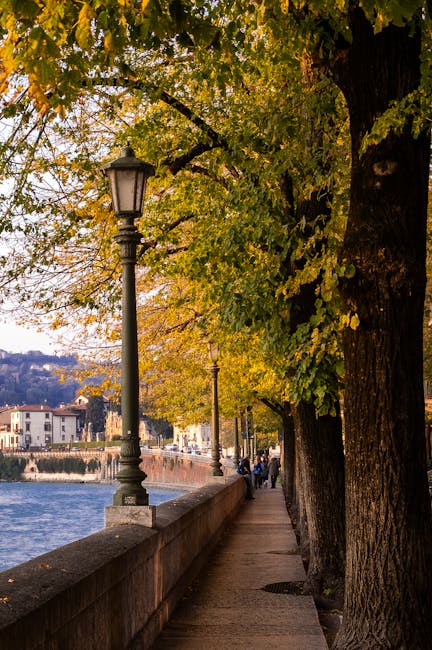






Introduction: Roaming Verona’s Forgotten Riverbanks
Verona often conjures images of Romeo and Juliet, the Roman arena, and the cobbled lanes of the historic center. Yet the city has a quieter, more intimate geography that many visitors skip: the neighborhoods that line the Adige. These riverbanks—dotted with medieval bridges, urban islets, quieter quays and hidden gardens—tell a different story of Verona: a story of fishing, river trade, artisans’ workshops and riverside strolls where locals gather away from the tourist crowds. Exploring these lesser-known areas lets you feel a city that breathes with the river, where every corner offers changing light, architectural reflections and a taste of authenticity.
This guide gives you a practical, immersive route to explore Verona’s overlooked riverside quarters. You’ll find detailed descriptions of places and landmarks not to miss, exact addresses, opening hours and approximate prices, plus local tips to make the most of your visit—from the best time to photograph Ponte Pietra to where to buy fresh fish at the Pescheria market. Each section highlights a specific stretch of the Adige: the north bank with Borgo Trento, the east bank around Ponte Pietra and Isola della Pescheria, the west bank near the Roman Theatre and San Zeno, and often-overlooked urban islets such as Lungadige San Giorgio.
Beyond the well-known sights, expect recommendations for lunch spots, sunset walks, photo viewpoints and practical advice on transport, museum tickets, accessibility and safety. The Adige’s banks are a microcosm of Verona: bustling quays in the morning for market trade, bucolic calm at dusk, and artisan studios preserving crafts passed down through generations. Pack comfortable shoes, your camera and curiosity — we’ll take you off the beaten path so you can hear the city breathe along the water.
 Click here to book a walking tour of Verona and the Arena
Borgo Trento and the Adige’s North Bank: Strolls, Gardens and Viewpoints
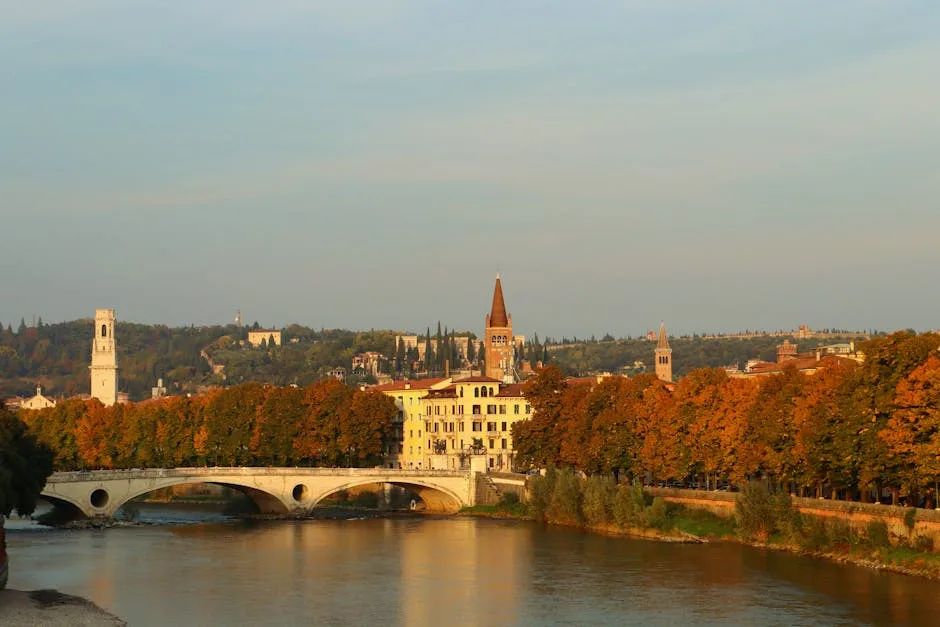
Borgo Trento is one of the city’s most elegant residential neighborhoods on the Adige’s north bank. Long a refuge for Verona’s bourgeois villas, the area offers wide riverside views and tranquil parks popular with families and joggers. For curious visitors, Borgo Trento is the perfect place to discover a more modern side of Verona while still being only minutes from the historic center.
What to see and do:
- Ponte delle Navi (Ponte delle Navi, 37121 Verona) — a modern bridge connecting Borgo Trento with the center; great for watching boats and river life. Best time: sunrise for soft light and almost no passersby.
- Giardino di Castel San Pietro (Castel San Pietro viewpoint) — although slightly elevated, the paths up to the viewpoint offer panoramic views of the city and the Adige. Access to the climb: Via San Pietro, 37121 Verona. Photo tip: arrive about 45 minutes before sunset.
Transport and access: Borgo Trento is served by several local bus lines from Porta Nuova station. If you’re cycling, the bike lanes along the Lungadige provide a safe link to the main sights. For parking, look for public car parks along Viale degli Alpini — prices vary but expect around €1.50/hour in central zones.
Local practical tips:
- Local restaurants: try a neighborhood trattoria to taste pastissada de caval (a traditional Veneto dish) or river-based antipasti.
- Markets: Borgo Trento sometimes hosts local producers’ markets on weekends along the Lungadige. Typical hours are 8:00–13:00.
- Safety: the north bank is generally safe but avoid isolated paths after midnight; prefer well-lit routes like Viale del Lavoro to return.
Click here to take an e-bike tour of Verona’s sights
Ponte Pietra, Isola della Pescheria and the Roman Theatre Quarter: History and Riverside Atmosphere
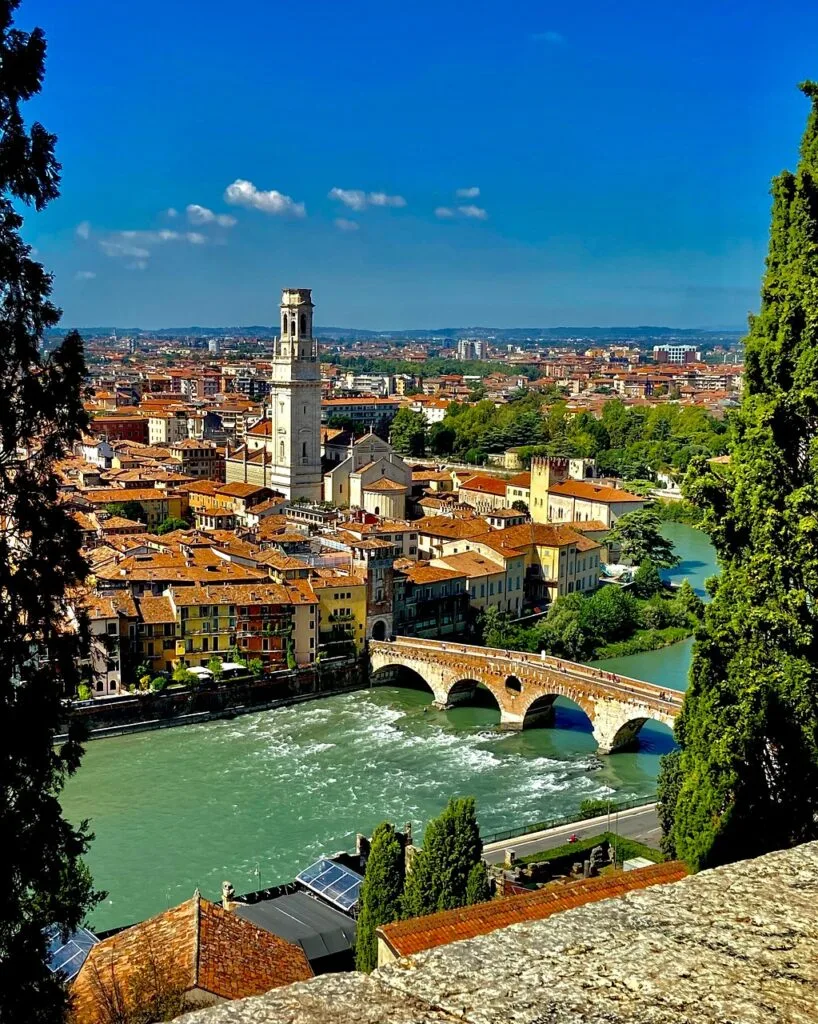
The area around Ponte Pietra and Isola della Pescheria is among Verona’s most photogenic, yet its side streets often get overlooked by visitors who stick to the classic tourist loop. Here, Roman history blends with medieval traces and contemporary river uses: fishing, small shops and cafés along the Lungadige. The Roman Theatre and the Pescheria island complete the scene with panoramas, ancient remains and a fish market at the heart of the historic center.
Specific places to visit:
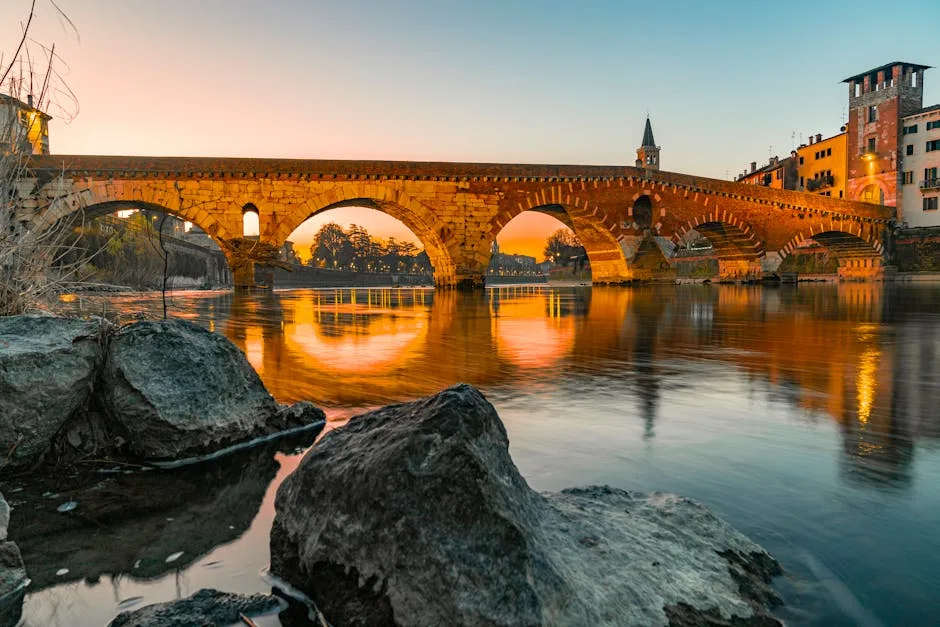
- Ponte Pietra — Piazza Ponte Pietra, 37121 Verona. A Roman bridge rebuilt after World War II, it’s a superb spot to photograph the Adige and the colorful facades on the opposite bank. Free access; open 24/7.
- Isola della Pescheria (Fish Market) — located near Ponte Pietra, Verona’s Pescheria traditionally takes place in the morning on Piazzetta Pescheria. Hours: generally 7:00–12:00. Products: fresh fish, seafood and local stalls. Perfect for a savory breakfast or take-away purchases.
- Teatro Romano and Museo Archeologico al Teatro Romano — Via Teatro Romano, 1, 37121 Verona. Hours: typically 9:00–19:00 (check seasonally). Indicative price: €4–6 for the museum, €6–10 for a combined ticket to the ruins and museum (prices may vary).
- Scalinata del Teatro Romano — terraced walkways of trees and ancient stones with valley views; ideal for a sunset picnic.
Immersive description:
Picture an early morning: the Pescheria stalls come to life, maritime scents mingle with coffee, and the first light highlights the arches of Ponte Pietra. Crossing the bridge brings you to the small Isola della Pescheria, an urban islet where fishermen still lay out their catches. The Roman Theatre, perched on the hill, reveals stone tiers and natural acoustics that come alive in summer with open-air concerts. Plan 1–2 hours to combine a museum visit, a climb on the scalinata and a lunch break in a nearby osteria.
Practical tips:
- Photography: for crowd-free shots, visit Ponte Pietra at sunrise. For water reflections, late afternoon gives warm tones on the facades.
- Pescheria market: arrive early (before 9:30) for the best selection; bring a cooler bag if you buy fresh fish.
- Museum tickets: buy online if possible during high season; combined tickets for the Teatro Romano often save time and money.
Click here to book a walking tour including the Arena
San Zeno and the West Bank: Basilica, Quiet Lanes and Local Markets
San Zeno lies west of the historic center, famous for the splendid Basilica di San Zeno Maggiore and for a neighborhood vibe where time seems to slow along the Adige. This area is perfect for those who want to feel a local pulse while staying close to major historic sites.
Key places:
- Basilica di San Zeno Maggiore — Piazza San Zeno, 2, 37123 Verona. A masterpiece of Veneto Romanesque architecture; church entry is free, the basilica museum (Museo della Basilica) is at Piazza San Zeno, 2; hours: generally 9:00–18:00; indicative museum fee: €3–5.
- Colpo d’Ala and Lungadige San Zeno — riverside walk offering views of the basilica from the opposite bank and shaded benches for rest. Free access.
- Mercato di Piazza San Zeno — daily market and occasional food markets; hours: typically 8:00–13:00 for food stalls, hours for special events vary.
Detailed description:
The Basilica di San Zeno is a must-see. Its polychrome stone façade and arcade porch with columns tell an artistic story dating to the 11th–12th centuries. Inside, the famous altarpiece by the Master of San Zeno (a triptych) and the hushed atmosphere offer moments for contemplation. After visiting, lose yourself in the small streets around the piazza: artisan shops, traditional cafés and osterie serving regional dishes like risotto all’Amarone. The west bank, less touristy, is ideal for a post-lunch stroll before heading to other riverside areas via the pedestrian bridges.
Practical tips:
- Religious visits: respect mass times (often morning and early evening); access to some chapels may be temporarily restricted during services.
- Meals: for a local lunch try an osteria around Piazzetta San Zeno; average meal price: €12–25 per person depending on dishes and wine.
- Parking: several small parking spots are available around Piazza San Zeno; follow signs for municipal lots (prices vary).
Click here to join a market visit and fresh pasta class
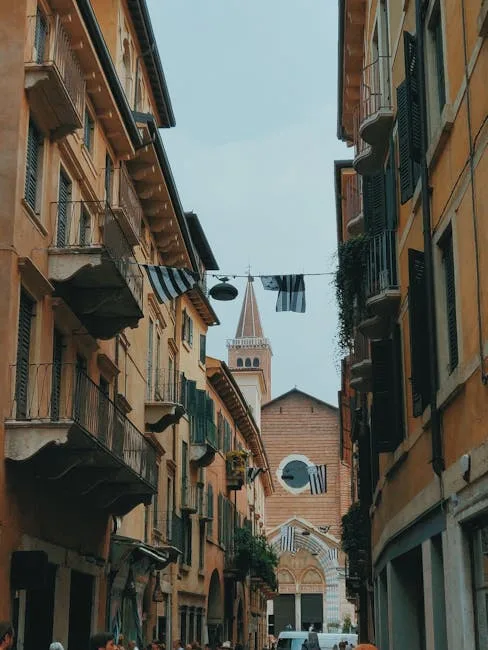
Small Urban Islets and Lesser-Known Quays: Lungadige San Giorgio, Isola della Scala and Secret Corners
Beyond the main neighborhoods, the Adige creates several small islets and stretches of quay that are quieter and worth exploring for their calm and authenticity. Locals often use these spaces for fishing, picnics or as pedestrian shortcuts between districts. Walks along Lungadige San Giorgio and access points to Isola della Scala offer a different side of the city—more natural, less museum-like.
Specific points of interest:
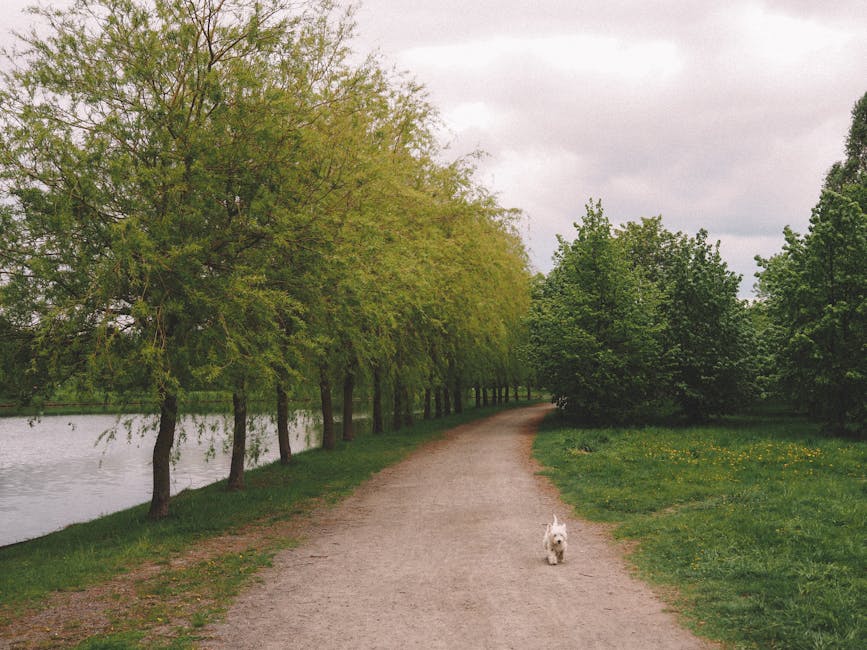
- Lungadige San Giorgio — this stretch of quay is shaded in sections by poplars and provides direct views of the old town’s facades across the river. Ideal for morning jogs or reflective walks.
- Isola della Scala (small urban islet near Verona) — note: don’t confuse this with the separate municipality of Isola della Scala outside Verona; here we mean minor islets formed by the Adige’s meanders within the urban area. These spots are often reachable via local footbridges; stick to official paths to avoid private areas.
- Quays of Lungadige Galtarossa — an area with workshops and old warehouses sometimes converted into cafés and pop-up cultural spaces; a great urban scene for dusk photography scouting.
Sensory experience:
Walking these islets, you’ll feel the Adige almost rural in character: water lilies, ducks and early-morning anglers bring a pastoral touch in the heart of town. Public benches and small grassy patches are perfect for a snack from the market or for reading while listening to the stream of the river. Colors change a lot with the seasons: spring blooms, bright summer, golden autumn and a quieter winter.
Practical tips:
- Shoes: wear closed shoes and suitable clothing if you use less-maintained islet paths.
- Environmental respect: take your rubbish with you and avoid disturbing local wildlife; some sections may be protected.
- Orientation: carry a map or enable offline geolocation; small footbridges are not always well signed for tourists.
Click here to book a guided rafting trip on the Adige
General Practical Tips for Exploring the Adige’s Banks
Exploring the riverside neighborhoods takes a bit of planning and a few tips to make the experience smooth and enjoyable. Here’s a concise list of practical advice to organize your visit:
- Best times to visit: sunrise and sunset provide the best light for photos and avoid peak hours (11:00–15:00). Morning markets—Pescheria and neighborhood markets—start around 7:00–8:00.
- Tickets and opening hours: always check official museum hours online (Museo di Castelvecchio, Museo Archeologico al Teatro Romano, Museo della Basilica di San Zeno) as they vary with season and holidays. Indicative prices: €3–10 depending on the site; discounts often apply for students and seniors.
- Transport: cycling is one of the quickest ways to link the riverbanks; several hire shops near Porta Nuova station offer day rates (around €10–20). The ACTV/AMT bus network connects Borgo Trento and San Zeno; use local apps for real-time schedules.
- Safety and respect: avoid isolated areas after dark; bring a reflective vest if you plan night cycling. Respect the calm of residential neighborhoods and obey signs prohibiting access to private properties.
- Budget: plan for a daily riverside exploration budget: €10–30 for food and drinks if you eat at local trattorie, €5–10 for small museum visits, plus possible transport costs.
Conclusion: The Quiet Magic of Verona’s Riverbanks
Verona’s riverside neighborhoods offer a far richer palette of experiences than the usual landmark-heavy itinerary. Walking the Adige reveals urban microcosms: lively markets, tranquil quays, historic bridges, ancient ruins and Romanesque basilicas that often appear in gentler light than the busy tourist center. Borgo Trento, Ponte Pietra and Isola della Pescheria, San Zeno and the discreet islets along the Lungadige form a route that alternates calm and local energy.
For the attentive traveler, each bank tells a story: the fishermen at the Pescheria, families enjoying Borgo Trento’s parks, or audiences flocking to summer concerts at the Roman Theatre. The precise addresses, hours and practical tips in this article will help you plan your exploration efficiently. Remember: the best way to get to know these neighborhoods is on foot or by bike—stop at a terrace without hurry, and let the river guide your discovery.
Finally, keep in mind that museum and market hours and prices can change with seasons and local events. Before you go, check official websites or contact local tourist offices (Ufficio Informazioni Turistiche, Piazza Bra, 1A, 37121 Verona — hours usually 9:00–18:00) for the latest information. Exploring Verona’s lesser-known riverbanks will leave you with images less posted on social media but infinitely more personal: the sound of water, the light on stone, and the memory of a city read as much from the quay as from the main square.